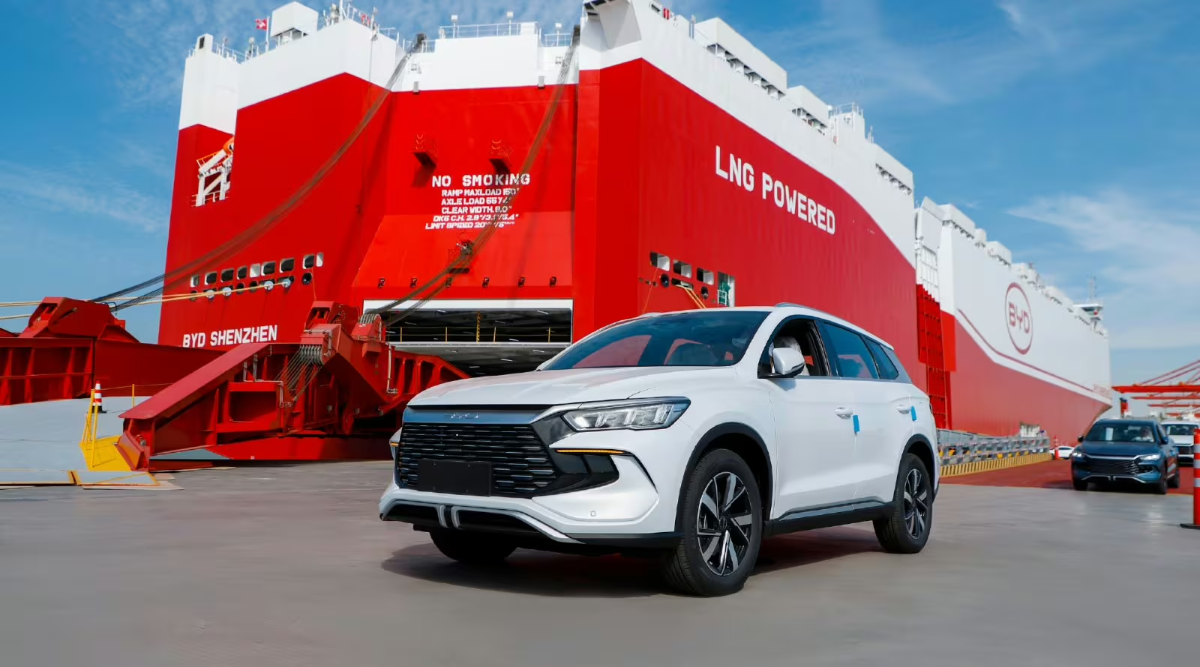
China Adjusts VAT Exemption For Exported Vehicles

Edited by Dash Coilwright
Incentives & Software
Updated October 15, 2026
3 min read
1 linked source
China has made changes to its Value Added Tax (VAT) exemption policy for exported vehicles, which will impact domestic manufacturers and their pricing strategies. While the specifics of the adjustments are not fully detailed, this change is expected to influence the competitiveness of Chinese EVs in international markets.
Share this story
Why it matters
- ✓Potentially lower prices for exported Chinese EVs could make them more competitive abroad, affecting market dynamics for buyers in other countries.
- ✓Changes in VAT exemptions could lead to adjustments in pricing strategies by domestic manufacturers, which may indirectly affect pricing for local consumers.
China Adjusts VAT Exemption For Exported Vehicles
China has recently adjusted its Value Added Tax (VAT) exemption policy for exported vehicles, a move that is poised to impact the dynamics of the electric vehicle (EV) market both domestically and internationally. While the specific details of the changes have not been fully disclosed, the implications for manufacturers and consumers are significant.
What Changed
The Chinese government has revised its VAT exemption rules for vehicles intended for export. This adjustment is part of a broader strategy to enhance the competitiveness of Chinese manufacturers in the global market. The specifics regarding the new exemption rates or eligibility criteria have not been detailed in the available sources, leaving some uncertainty about the exact nature of the changes.
Why It Matters for Buyers/Owners
- Market Competitiveness: The adjustments to the VAT exemption could lead to lower prices for exported Chinese EVs, making them more attractive options for buyers in international markets. This could shift the competitive landscape, particularly for consumers in regions where Chinese EVs are gaining traction.
- Domestic Pricing Impact: While the focus is on exports, any changes in pricing strategies by domestic manufacturers in response to the VAT adjustments could indirectly affect local consumers. If manufacturers pass on savings from VAT exemptions, it could lead to lower prices for consumers in China as well.
Key Details from Source Material
According to CleanTechnica, there has been ongoing discussion regarding the substantial state subsidies provided to Chinese manufacturers, which some critics argue gives them an unfair advantage. This adjustment in VAT policy is seen as a continuation of that trend, aimed at bolstering the export capabilities of Chinese EVs. However, the article emphasizes that similar practices exist in other regions, including the US and EU, where local manufacturers also benefit from various forms of government support.
What to Watch Next
As details regarding the specific changes to the VAT exemption policy are still emerging, it will be important for buyers and industry stakeholders to monitor how these adjustments will be implemented and their subsequent effects on pricing and availability of Chinese EVs in both domestic and international markets. Additionally, keeping an eye on responses from domestic manufacturers will provide insight into how this policy change may influence local pricing strategies and consumer options.
In conclusion, while the adjustments to the VAT exemption for exported vehicles in China are significant, the full impact will depend on the specifics of the policy changes and the responses from manufacturers and consumers alike.
Sources
These are the documents and reports used to build this brief so readers can verify the story directly.
- China Adjusts VAT Exemption For Exported Vehicles — CleanTechnicaMEDIA
Reporting notes
EV Signal briefs are written to explain the verified change first, then add the context EV buyers and owners need to understand cost, availability, charging access, eligibility, or ownership impact.
If details are still developing, we try to say what is confirmed, what comes from secondary reporting, and what readers should verify before acting.
Source mix
1 linked source
1 media
Reviewed from: CleanTechnica.
Newsletter
Weekly EV signal. No spam.
Comments
Log in with
Loading comments…
More in Incentives

New South Wales Government Electrifies Fleet Revolution
The New South Wales (NSW) government is implementing a program to transition small business vehicle…
2h ago
Sierra Club Calls for Public Protections in Mesabi Metallics Incentive Deal
The Sierra Club Iowa Chapter has urged the Iowa Economic Development Authority to ensure that any…
1d ago
Energy Department Announces Emissions Value Request Process for 45Z Fuel Production Credit
The U.S. Department of Energy has released a draft notice detailing the Emissions Value Request…
1d ago

Countries Urged to Cut Forest-Harming Subsidies to Protect Nature
Governments worldwide are spending billions on subsidies that harm forests, particularly in the…
2d ago