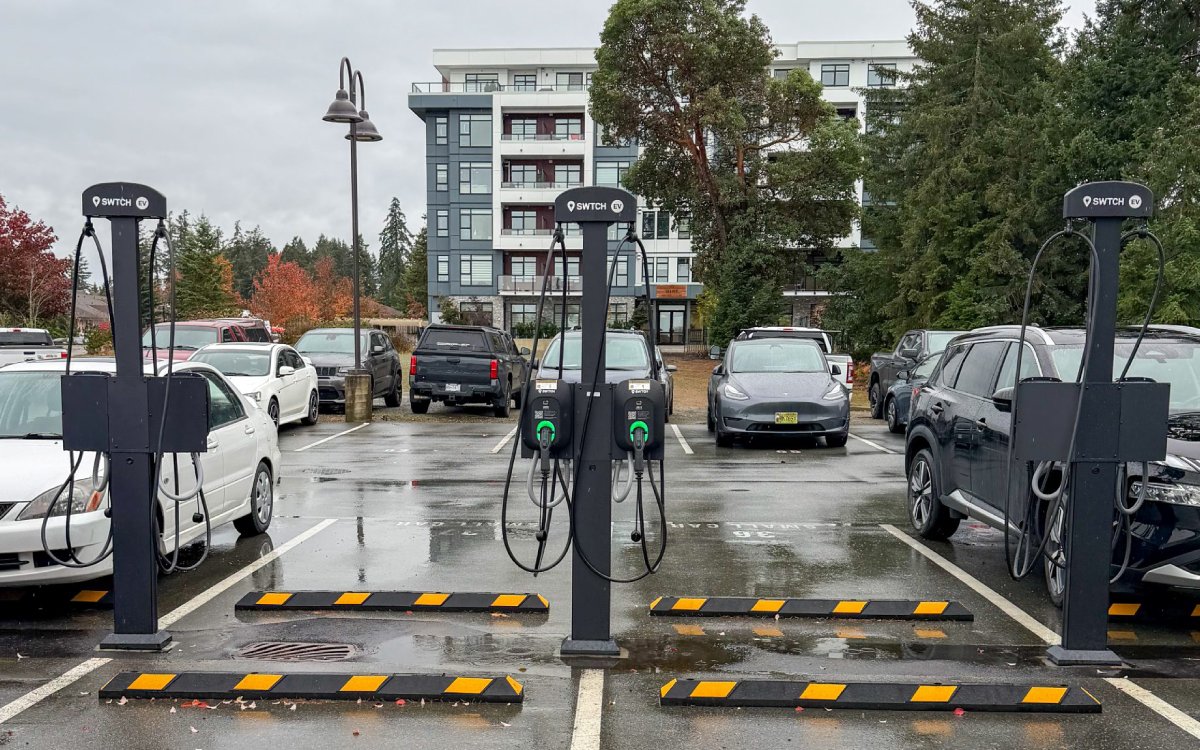
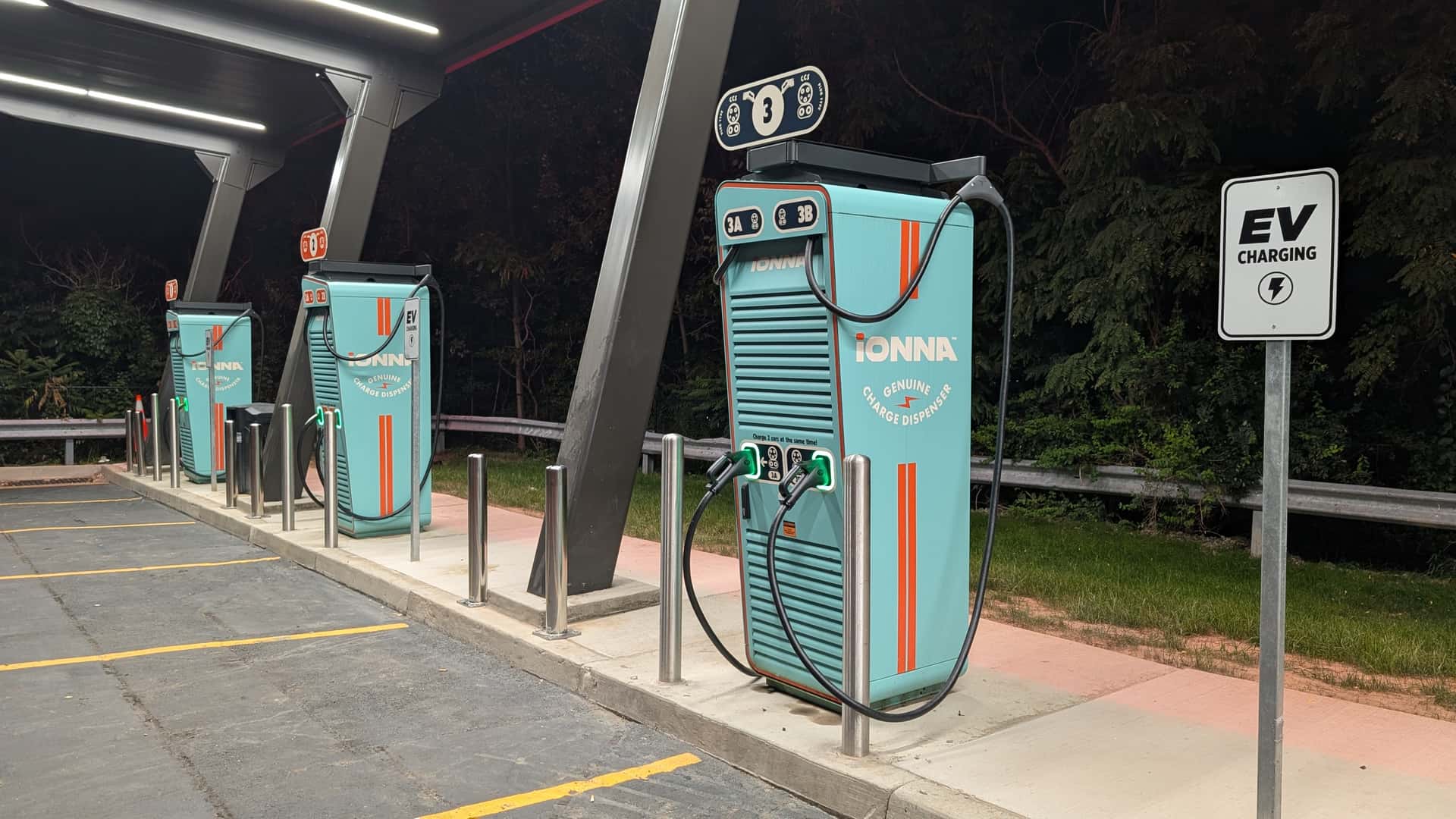
Challenges of EV Charging in Indian High-Rise Apartments
In India, 70-75% of urban households reside in multi-family apartments, creating significant challenges for EV charging installations. Issues include transformer capacity limits, complex wiring requirements, and the need for approvals from housing societies. Legal rulings are beginning to support residents' rights to charge their EVs, but practical obstacles remain.

Key takeaways
30-second read- 1Urban EV owners face significant hurdles in charging access due to infrastructure limitations.
- 2High installation costs for wiring and equipment can deter potential EV buyers in apartment complexes.
- 3Legal progress may improve charging access, but practical implementation remains slow.
Confirmed
No official source linked yet
Reported
Secondary reporting: CleanTechnica
Verify yourself
Eligibility, local prices and dates for your car, state or utility
In India, the challenge of electric vehicle (EV) charging in high-rise apartments is becoming increasingly evident, as approximately 70% to 75% of urban households live in multi-family structures. This reality poses unique engineering and regulatory hurdles that complicate the installation of EV chargers, significantly impacting potential EV buyers and current owners.
What changed
The primary issue is the capacity of existing electrical infrastructure in these apartment complexes. Most housing societies purchase electricity based on a bulk "sanctioned load" from local utilities, which is calculated under the assumption that not all residents will use high-demand appliances simultaneously. However, during peak hours, the combined load from air conditioners, elevators, and other common facilities often exceeds the available capacity, leaving little room for additional loads from EV chargers.
For example, a standard 250 kVA transformer in a 100-flat complex can support only about 30 kW of additional load after accounting for peak domestic demand. This means that just a few EVs charging simultaneously can lead to transformer overload, resulting in power outages or hefty penalties from the utility company.
Why it matters for buyers and owners
- Infrastructure Limitations: Urban EV owners may find it difficult to charge their vehicles due to the limitations of existing electrical systems in apartment buildings.
- High Installation Costs: The cost of installing a dedicated EV charging line can range from ₹25,000 to ₹50,000 (approximately $280 to $560), which can be a significant barrier for many residents.
- Regulatory Challenges: Residents often face hurdles in obtaining necessary approvals from housing societies, which can delay or prevent the installation of EV chargers.
Key details
To connect an EV charger in a high-rise apartment, residents must navigate several technical and regulatory challenges. The wiring must be capable of handling high current loads over long distances, often requiring specialized materials and equipment. Additionally, the installation must comply with safety codes, which can further complicate the process.
Moreover, obtaining a No Objection Certificate (NOC) from the housing society is essential, but many committees are hesitant to approve such requests due to concerns about safety, billing disputes, and the potential for setting a precedent that could lead to chaotic installations across shared parking areas.
Recent legal rulings, such as the Bombay High Court's decision in Amit Dholakia v. The State of Maharashtra, have started to push for clearer guidelines to protect residents' rights to charge their vehicles. However, translating these legal victories into practical solutions on the ground is still a slow process.
What to watch next
As the demand for EVs continues to grow in India, the pressure on housing societies to facilitate charging solutions will increase. Future developments in legal frameworks and technological innovations may help alleviate some of the current challenges. Additionally, as more residents advocate for their right to charge, we may see a shift in how housing societies approach the installation of EV chargers, potentially leading to more inclusive policies and practices.
Buying guide: Best Portable Power Station for EV Camping and Power Cuts (2026)
Sources
1 media- [1]The High-Rise Bottleneck: Why EV Charging in Indian Apartments Is an Engineering PuzzleMedia
CleanTechnica · cleantechnica.com · published Nov 11
Newsletter
Weekly EV signal. No spam.
Comments
Log in with
Loading comments…