Challenges of Building EVs and Gas Cars on Shared Chassis Highlighted by Recent Analysis
Updated April 16, 2026
3 min read
1 linked source
A recent analysis from InsideEVs argues that constructing electric vehicles (EVs) and gasoline cars on the same chassis is fundamentally flawed. This approach compromises performance and efficiency, affecting manufacturers and consumers alike. The findings suggest that automakers may need to rethink their strategies for EV production.
Share this story
Why it matters
- ✓Buyers may face limited options as manufacturers struggle to deliver efficient EVs on shared platforms.
- ✓The potential for higher ownership costs if performance and efficiency are compromised in EVs built on gas car chassis.
- ✓Consumers may need to wait longer for dedicated EV models that meet their needs.
Reporting notes
EV Signal briefs are written to explain the verified change first, then add the context EV buyers and owners need to understand cost, availability, charging access, eligibility, or ownership impact.
If details are still developing, we try to say what is confirmed, what comes from secondary reporting, and what readers should verify before acting.
Source mix
1 linked source
1 media
Reviewed from: InsideEVs.
Overview of the Issue
The recent analysis from InsideEVs presents a critical viewpoint on the feasibility of building electric vehicles (EVs) and gasoline cars on the same chassis. The article argues that this approach is fundamentally flawed, leading to inefficiencies and performance issues that could impact both manufacturers and consumers.
What Changed
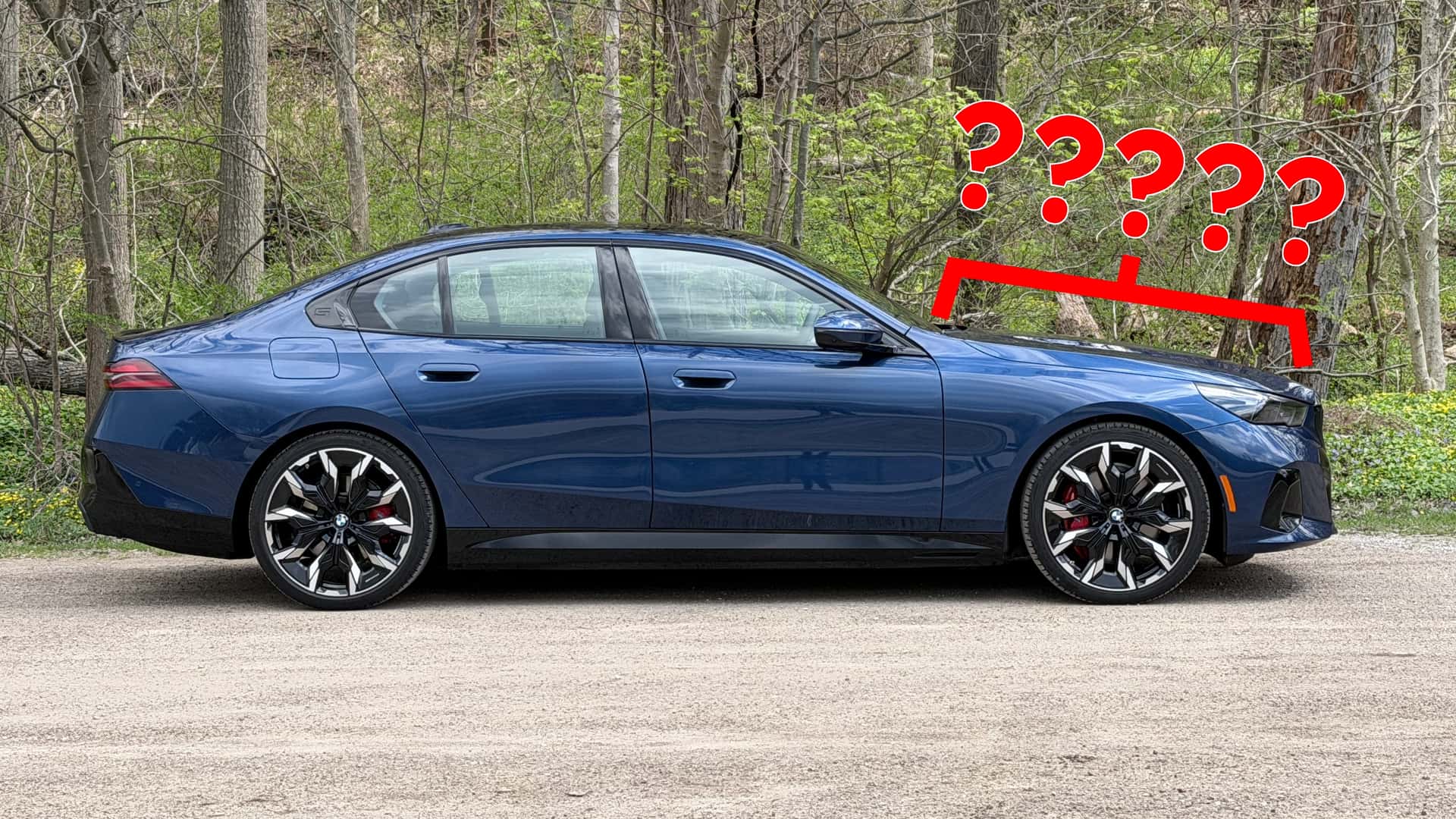
According to InsideEVs, the idea of sharing a chassis between EVs and gas cars may seem advantageous, allowing manufacturers to streamline production and reduce costs. However, the analysis reveals that this strategy often results in subpar performance for EVs, as the requirements for electric drivetrains differ significantly from those of internal combustion engines. The article highlights a specific photo that illustrates the challenges faced when trying to adapt a chassis designed for gas cars to accommodate the unique needs of EVs.
Why It Matters for Buyers and Owners
-
Limited Options: The struggle of manufacturers to create efficient EVs on shared platforms could lead to fewer viable options for buyers in the EV market. Consumers may find that the vehicles available do not meet their performance expectations.
-
Higher Ownership Costs: If the performance and efficiency of EVs built on gas car chassis are compromised, owners may face higher ownership costs in terms of charging and maintenance.
-
Delayed Availability: As manufacturers reassess their strategies, consumers might experience delays in the rollout of dedicated EV models that better meet their needs and expectations.
Key Details from the Source Material
InsideEVs emphasizes that the integration of EV and gas car technologies on a shared platform is not just a matter of convenience; it fundamentally alters the performance characteristics of the vehicles. EVs require different weight distributions, battery placements, and structural designs that are often incompatible with traditional gas car chassis. The article points out that this mismatch can lead to inefficiencies, such as reduced range and performance issues, which are critical factors for potential EV buyers.
What to Watch Next
As the automotive industry continues to evolve, it will be important to monitor how manufacturers respond to these challenges. Will they invest in developing dedicated EV platforms that can fully leverage the advantages of electric drivetrains? Additionally, keep an eye on consumer feedback regarding the performance of existing EVs built on shared platforms, as this may influence future production strategies.
In conclusion, while the idea of shared chassis may seem appealing from a manufacturing standpoint, the implications for performance and efficiency raise significant concerns for both buyers and owners in the EV market. As the industry adapts, consumers will need to stay informed about the developments that could impact their purchasing decisions.
Sources
These are the documents and reports used to build this brief so readers can verify the story directly.
Comments
Log in with
Loading comments…
More in Models & Pricing
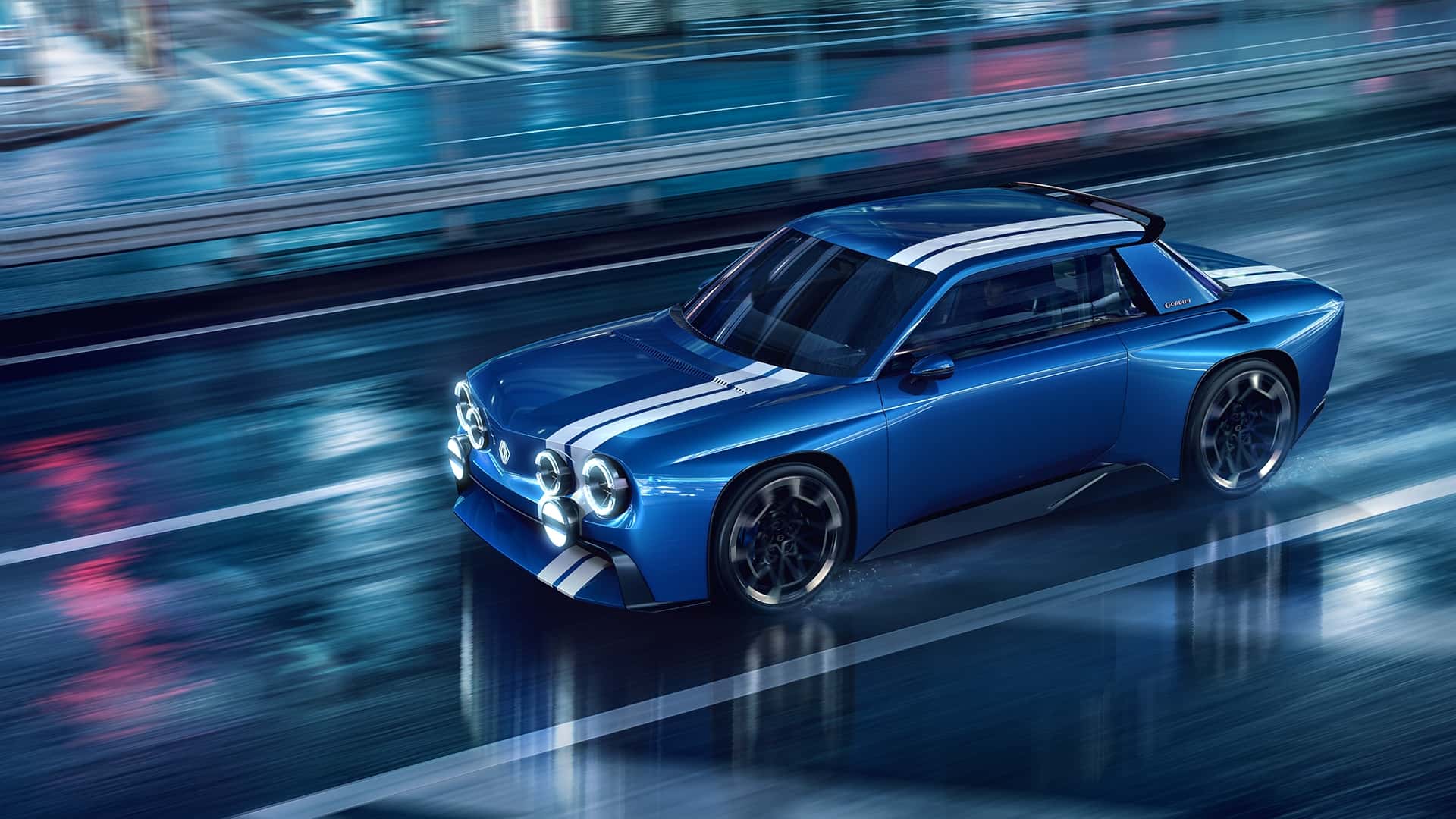
Renault 8 Gordini Returns as Rear-Wheel Drive EV
Renault has unveiled the return of the iconic Renault 8 Gordini as a rear-wheel drive electric…
Just now
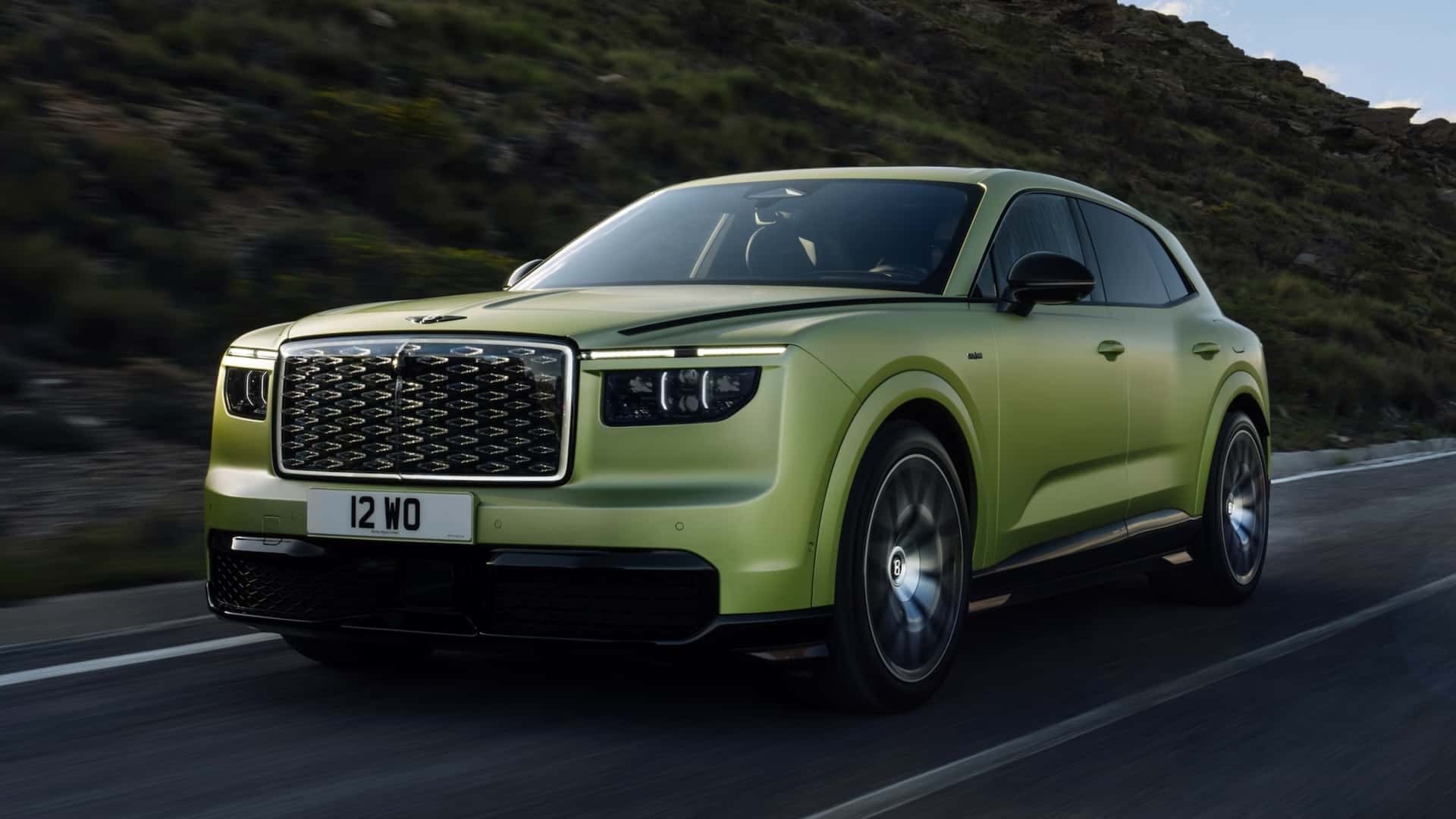
Bentley's First EV, the Torcal, Offers Rapid Charging Capabilities
Bentley has launched its first electric vehicle, the Torcal, a midsize SUV that boasts rapid…
12h ago
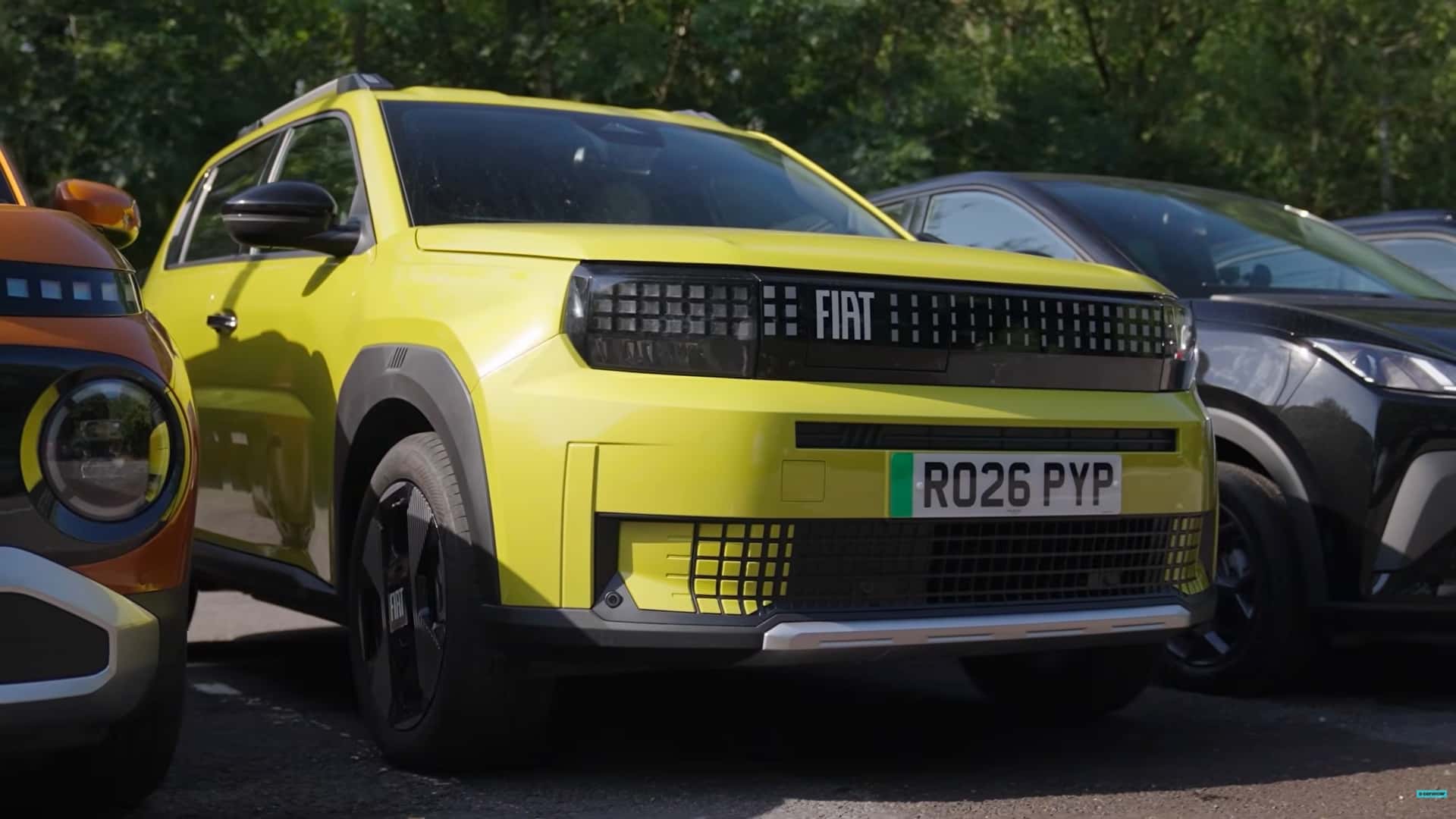
Fiat Grande Panda Outperforms Claimed Range in Real-World Test
In a recent highway range test, the Fiat Grande Panda exceeded its officially claimed range,…
12h ago
Bentley Launches Torcal, Its First All-Electric SUV
Bentley has officially unveiled the Torcal, marking its entry into the electric vehicle market.…
12h ago