Challenges in Ocean Thermal Energy Conversion Highlight Seawater Flow Issues

Edited by Ionna Brakeley
Charging & Ownership
Updated October 2, 2026
3 min read
1 linked source
Ocean thermal energy conversion (OTEC) presents a promising renewable energy solution by utilizing temperature differences in tropical oceans. However, recent discussions indicate that seawater flow poses significant challenges to the efficiency and feasibility of OTEC systems. This issue may affect the broader adoption of ocean-based energy solutions, which could indirectly influence the electric vehicle (EV) market.
Share this story
Why it matters
- ✓If OTEC technology struggles to become viable, it may slow down the development of renewable energy sources that could support EV charging infrastructure.
- ✓A lack of reliable renewable energy sources could keep electricity prices higher, impacting the overall cost of owning and operating EVs.
- ✓EV owners may face challenges in accessing sustainable charging options if OTEC does not advance due to these technical limitations.
Challenges in Ocean Thermal Energy Conversion Highlight Seawater Flow Issues
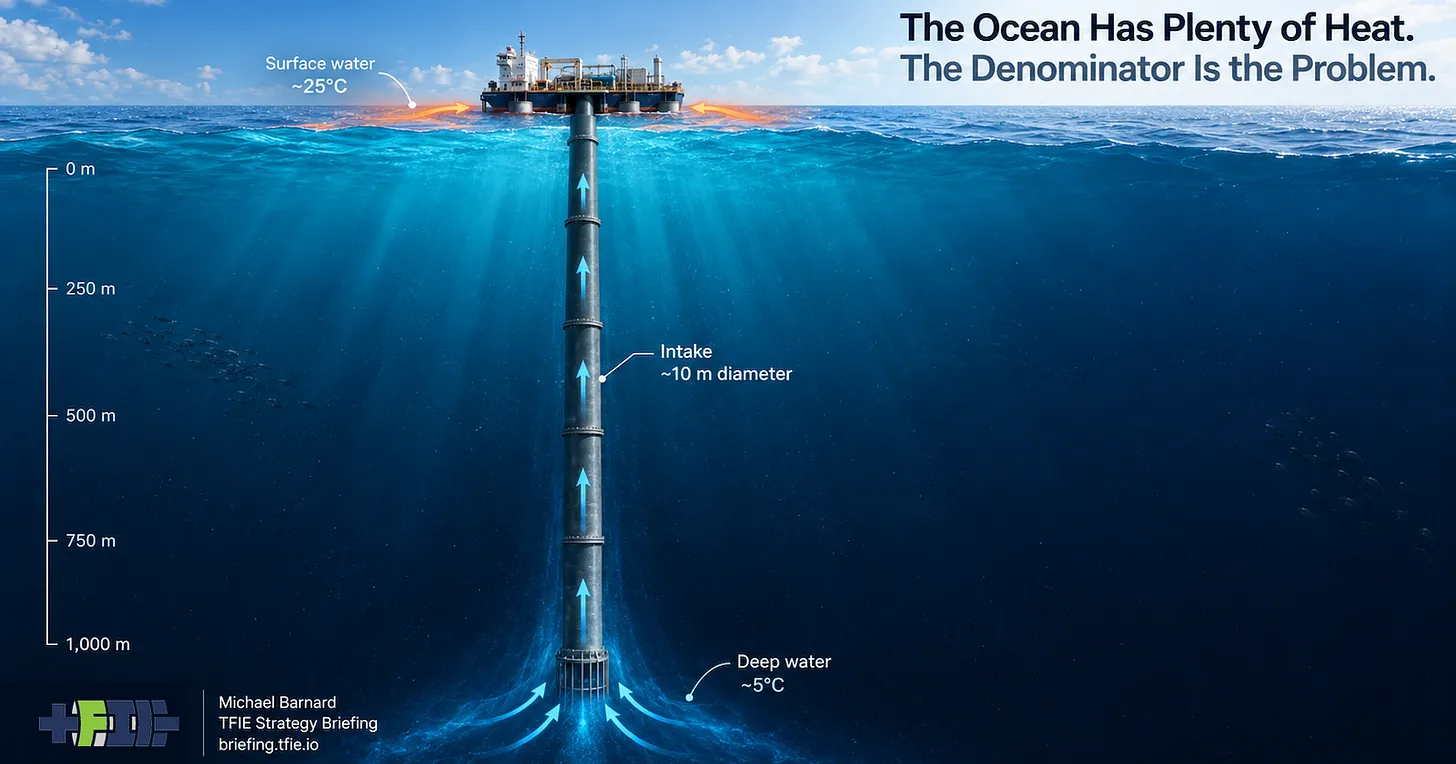
Ocean thermal energy conversion (OTEC) has been recognized for its potential to harness renewable energy from the temperature differences in tropical oceans. The concept involves utilizing warm surface water, typically around 25°C, and cold water from depths of about a kilometer, which can be as cold as 4°C to 5°C. This temperature gradient can be used to vaporize a working fluid, which then drives a turbine to generate electricity. However, recent discussions have surfaced regarding significant challenges related to seawater flow that may hinder the effectiveness of OTEC systems.
What Changed
The primary concern highlighted in recent analyses is that the flow of seawater, which is essential for the operation of OTEC systems, presents a major obstacle. The efficiency of OTEC relies heavily on the ability to maintain a consistent and adequate flow of seawater between the warm and cold reservoirs. If the seawater flow is insufficient or inconsistent, it could lead to reduced energy output and overall inefficiency of the system. This issue raises questions about the practicality of deploying OTEC technology on a larger scale.
Why It Matters for Buyers/Owners
The implications of these challenges extend beyond the immediate realm of ocean energy. For electric vehicle (EV) buyers and owners, the viability of OTEC could influence several key areas:
- Charging Infrastructure: If OTEC technology fails to develop due to seawater flow issues, the anticipated expansion of renewable energy sources that could power EV charging stations may be delayed. This could limit the availability of sustainable charging options for EV owners.
- Electricity Costs: The inability to harness OTEC effectively could lead to a continued reliance on fossil fuels or less efficient energy sources, keeping electricity prices higher. This would directly affect the ownership costs associated with EVs, as charging expenses could remain elevated.
- Sustainability Goals: Many EV buyers are motivated by sustainability. If renewable energy technologies like OTEC do not progress, it may hinder broader efforts to transition to cleaner energy sources, impacting the overall appeal of electric vehicles.
Key Details from Source Material
According to CleanTechnica, OTEC systems leverage the natural temperature gradients found in tropical oceans to generate electricity. However, the article emphasizes that the flow of seawater is a critical factor that can significantly affect the efficiency of these systems. Without a reliable flow, the potential benefits of OTEC may not be realized, which could stall advancements in renewable energy technologies that are crucial for supporting the growing electric vehicle market.
What to Watch Next
As the situation develops, it will be important to monitor any advancements in OTEC technology and research focused on overcoming the seawater flow challenges. Stakeholders in the renewable energy and electric vehicle sectors should keep an eye on potential innovations or alternative solutions that could address these issues. Additionally, updates from energy regulatory bodies and research institutions may provide further insights into the feasibility of OTEC and its implications for the future of sustainable energy and electric vehicle infrastructure.
Sources
These are the documents and reports used to build this brief so readers can verify the story directly.
- OTEC Works. The Seawater Flow Is The Problem. — CleanTechnicaMEDIA
Reporting notes
EV Signal briefs are written to explain the verified change first, then add the context EV buyers and owners need to understand cost, availability, charging access, eligibility, or ownership impact.
If details are still developing, we try to say what is confirmed, what comes from secondary reporting, and what readers should verify before acting.
Source mix
1 linked source
1 media
Reviewed from: CleanTechnica.
Comments
Log in with
Loading comments…
More in Charging

European Ports and Airports Face Grid Connection Delays for Electrification
European ports and airports are legally required to electrify their transport systems, but grid…
13h ago

Texas PUC Approves Closure of Coal Plant and Renewable Energy Development
The Texas Public Utility Commission (PUC) has authorized Southwestern Public Service Company (SPS)…
13h ago

IONNA Consortium Expands Public EV Charging Stations in the US
The IONNA consortium is ramping up its plans for public EV charging stations across the United…
1d ago

Insights from EV Expert Rustam Kocher on European Charging Landscape
The European EV charging industry has significantly evolved, moving from a model reliant on free…
1d ago