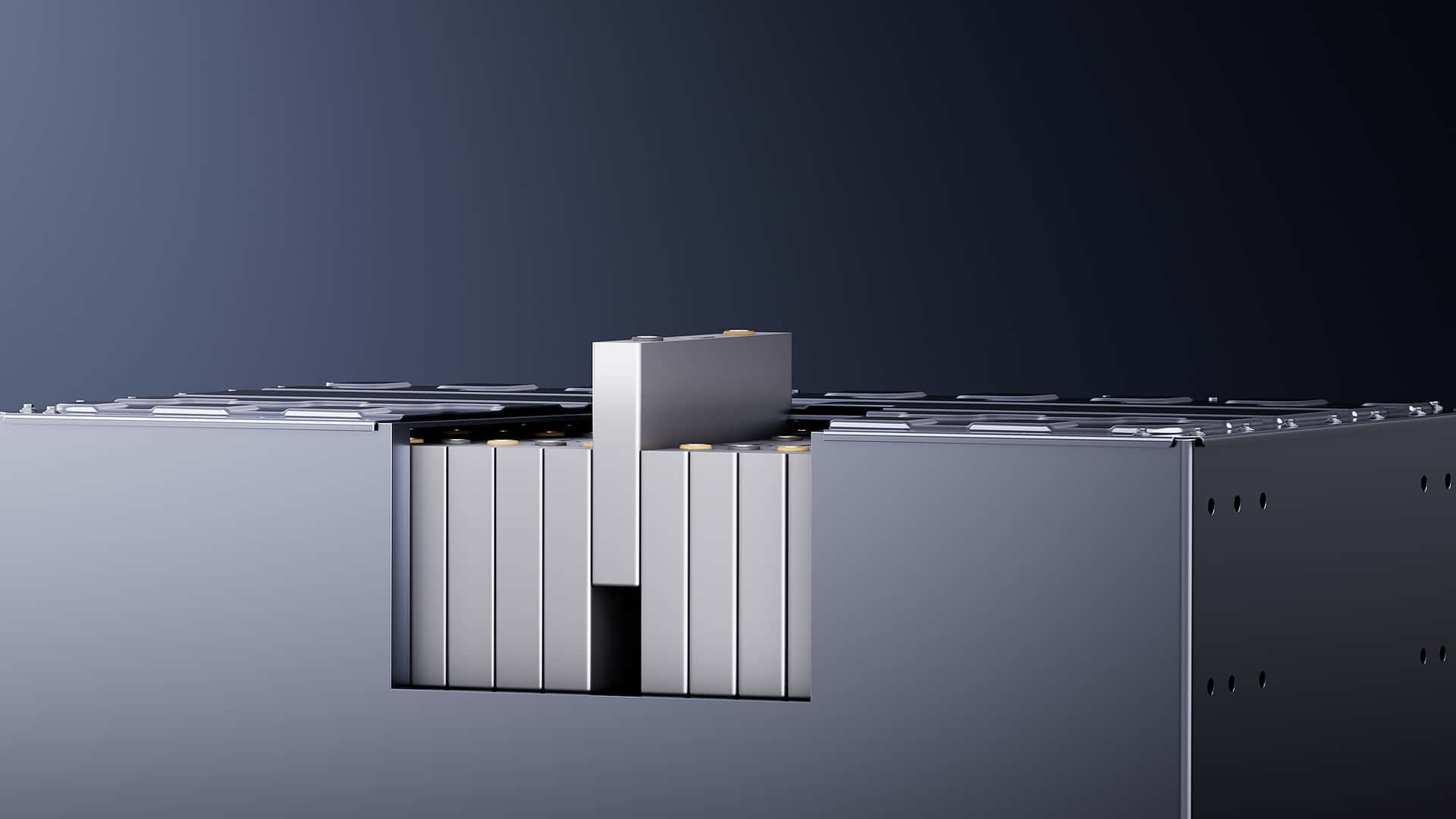
CATL Plans to Produce Batteries for American Pickup Trucks
Updated September 21, 2026
3 min read
1 linked source
Chinese battery manufacturer CATL is targeting the American pickup truck market with plans for local production of their batteries. This move comes despite existing trade barriers, and the company is exploring licensing options for manufacturing in the U.S. The specifics of production timelines and partnerships remain unclear.
Share this story
Why it matters
- ✓Increased availability of advanced battery technology for American pickup trucks could enhance performance and range for EV buyers.
- ✓Local production may help mitigate supply chain issues and reduce costs associated with importing batteries.
- ✓Potential partnerships with American automakers could lead to more competitive pricing and options for consumers.
Reporting notes
EV Signal briefs are written to explain the verified change first, then add the context EV buyers and owners need to understand cost, availability, charging access, eligibility, or ownership impact.
If details are still developing, we try to say what is confirmed, what comes from secondary reporting, and what readers should verify before acting.
Source mix
1 linked source
1 media
Reviewed from: InsideEVs.
CATL Plans to Produce Batteries for American Pickup Trucks
Chinese battery manufacturer CATL is making strides to enter the American pickup truck market by potentially producing batteries locally. This initiative is particularly noteworthy given the ongoing trade barriers between the U.S. and China, which have complicated the importation of goods, including automotive components. CATL's strategy includes exploring licensing agreements that would allow for local manufacturing, which could significantly impact the availability of EV batteries in the American market.
What Changed
CATL has identified a significant opportunity in the U.S. pickup truck segment, which is traditionally dominated by gasoline-powered vehicles. The company's plans to produce batteries domestically could lead to a more robust supply chain and improved access to advanced battery technology for American automakers. While the details surrounding the exact timeline and partnerships for this local production remain uncertain, the intent to manufacture within the U.S. marks a pivotal shift in CATL's approach to the American market.
Why It Matters for Buyers/Owners
- Enhanced Battery Technology: The introduction of CATL's batteries could lead to improved performance and range for electric pickups, making them more appealing to consumers.
- Cost Reductions: Local production may help reduce costs associated with importing batteries, potentially leading to lower prices for electric trucks.
- Increased Options: Collaborations with American automakers could result in a wider variety of electric pickup models, offering consumers more choices in the market.
Key Details from Source Material
According to a report from InsideEVs, CATL sees the American market as ripe for expansion, especially in the pickup segment, which has been slow to adopt electric vehicles. The company is considering licensing as a means to establish local production, which could help navigate the complexities of trade regulations. However, specific details on how and when this production will commence are still pending.
What to Watch Next
As CATL moves forward with its plans, industry stakeholders and consumers should keep an eye on potential partnerships with American automakers, which could influence the speed and scale of battery production. Additionally, any developments regarding trade policies or regulations that could impact the feasibility of local manufacturing will be crucial to monitor. The EV market is evolving rapidly, and CATL's entry into the American pickup space could signal a significant shift in the competitive landscape for electric vehicles in the U.S.
Sources
These are the documents and reports used to build this brief so readers can verify the story directly.
Comments
Log in with
Loading comments…
More in Buying
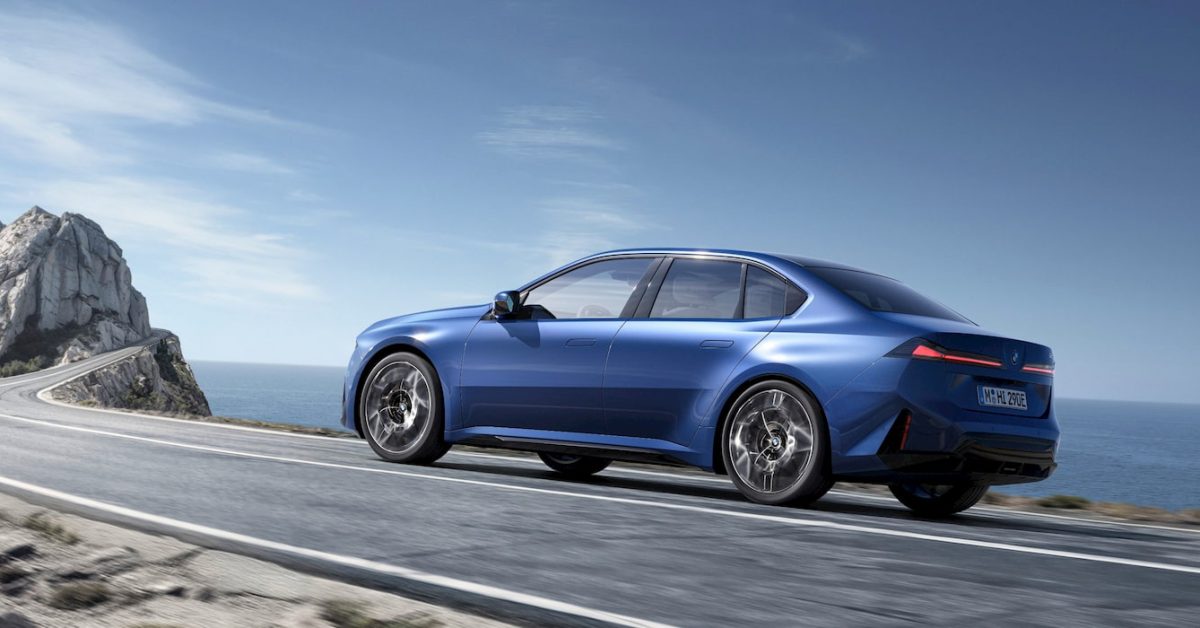
BMW Opens US Reservations for New i3 Ahead of Schedule
BMW has announced that it will open reservations for the new i3 in the United States earlier than…
11h ago
Jackery Explorer 5000 Plus Power Station Discounted by $1,000
The Jackery Explorer 5000 Plus Portable Power Station is now available for $1,499, reflecting a…
17h ago
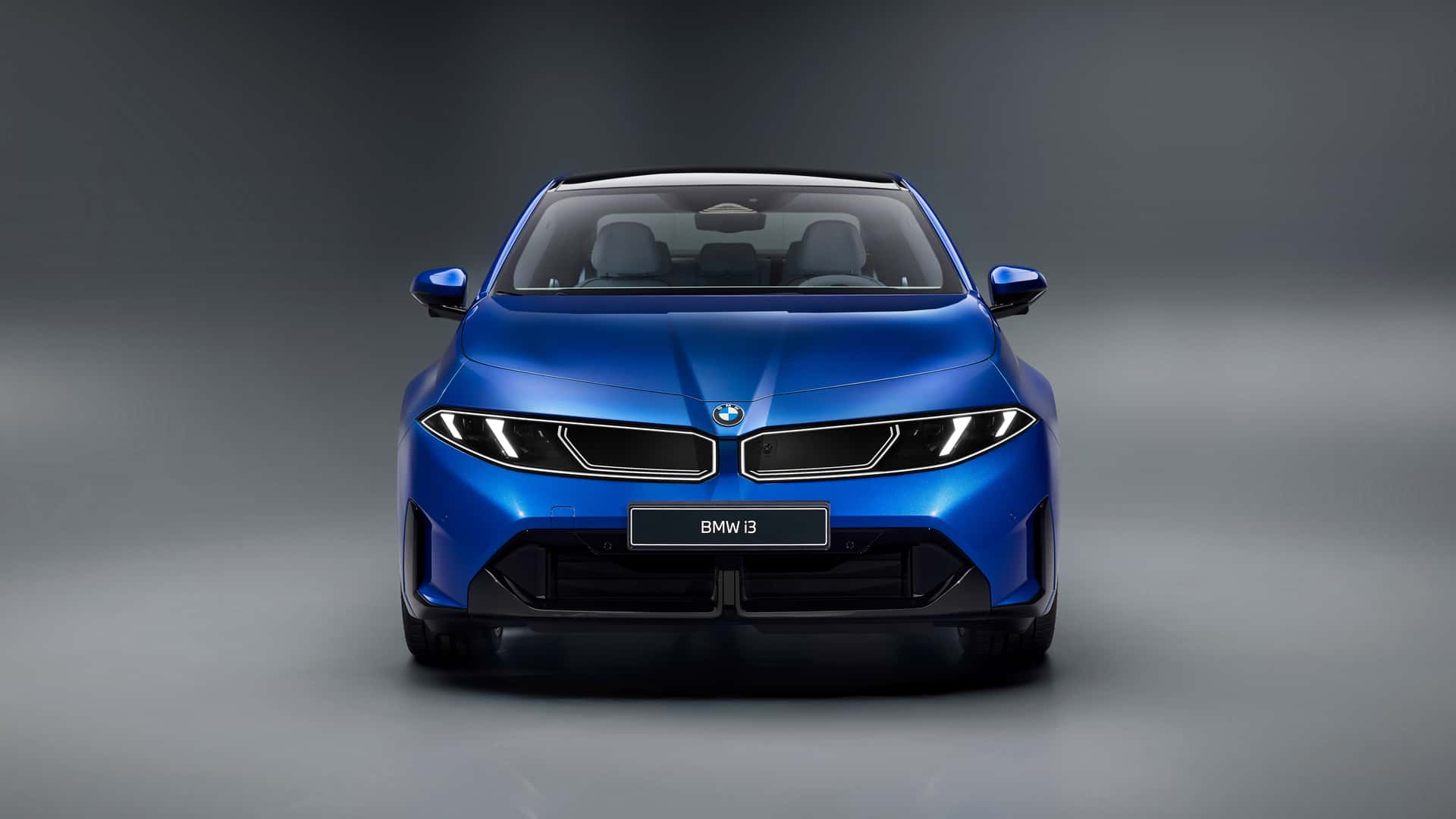
BMW i3 EV Reservations Open Early in the U.S.
BMW has announced that it will begin accepting reservations for the new i3 electric sedan ahead of…
23h ago
Tesla Semi Secures 2,500-Truck Order, Doubling US Electric Class 8 Fleet
Tesla has received a historic order for 2,500 battery-electric trucks from a new shipper alliance…
1d ago