
CATL Chief: Solid-State Batteries Only at Level 4 of 9, No Major Advancements Until 2030
Updated June 25, 2026
3 min read
1 linked source
Robin Zeng Yuqun, founder and chairman of CATL, announced that solid-state battery technology is currently at 'level four' on a nine-step readiness scale. He indicated that significant advancements in commercial viability will not occur until 2030, dampening expectations for immediate improvements in EV battery technology.
Share this story
Why it matters
- ✓EV buyers may face delays in accessing next-generation battery technology, which could impact vehicle range and charging times.
- ✓The anticipated cost reductions associated with solid-state batteries may not materialize until after 2030, affecting overall ownership costs.
- ✓Current battery technologies will remain the standard for the foreseeable future, meaning buyers should focus on existing options.
Reporting notes
EV Signal briefs are written to explain the verified change first, then add the context EV buyers and owners need to understand cost, availability, charging access, eligibility, or ownership impact.
If details are still developing, we try to say what is confirmed, what comes from secondary reporting, and what readers should verify before acting.
Source mix
1 linked source
1 media
Reviewed from: Electrek.
Current State of Solid-State Battery Technology
Robin Zeng Yuqun, the founder and chairman of CATL, the world's largest EV battery manufacturer, has provided a sobering update on the state of solid-state battery technology. Speaking at the recent 'Summer Davos' event in China, Zeng stated that the technology is currently at 'level four' on a nine-step readiness scale. This assessment suggests that solid-state batteries are still in the early stages of development and far from commercial viability.
What Changed
Zeng's comments highlight a significant gap between the hype surrounding solid-state batteries and their actual readiness for mass production. He emphasized that an inflection point for the technology is not expected until 2030, indicating that any major advancements or breakthroughs are still years away. This news is particularly relevant for EV manufacturers and consumers who have been eagerly anticipating the arrival of solid-state batteries, which promise enhanced performance and safety compared to traditional lithium-ion batteries.
Why It Matters for Buyers and Owners
-
Delayed Access to Advanced Technology: The announcement means that EV buyers may have to wait longer for the benefits of solid-state batteries, such as increased range and faster charging times. Current battery technologies will continue to dominate the market for the foreseeable future.
-
Cost Implications: The potential cost reductions associated with solid-state batteries may not be realized until after 2030. This could impact the overall affordability of EVs, as manufacturers may continue to rely on existing battery technologies that could be more expensive to produce.
-
Focus on Existing Options: With solid-state technology still years away from commercialization, buyers should concentrate on the current range of EVs available, evaluating their performance, range, and charging capabilities based on existing lithium-ion technology.
Key Details from Source Material
Zeng's remarks serve as a reality check for the EV industry, which has been rife with speculation about the imminent arrival of solid-state batteries. His statement that the technology is at 'level four' suggests that significant research and development are still required before it can be considered ready for commercial use. The nine-step scale indicates a structured approach to assessing technology readiness, with level nine representing full commercial viability.
What to Watch Next
As the EV market continues to evolve, it will be important to monitor advancements in battery technology, particularly any developments from CATL and other major players in the industry. Stakeholders should keep an eye on research initiatives, partnerships, and pilot projects aimed at accelerating the development of solid-state batteries. Additionally, updates from regulatory bodies regarding battery safety and performance standards will also be crucial as the industry moves forward.
In conclusion, while solid-state batteries hold promise for the future of electric vehicles, the timeline for their widespread adoption has been pushed back significantly. Buyers and owners should remain informed about current technologies and prepare for a longer wait for the next generation of battery advancements.
Sources
These are the documents and reports used to build this brief so readers can verify the story directly.
Comments
Log in with
Loading comments…
More in Ownership
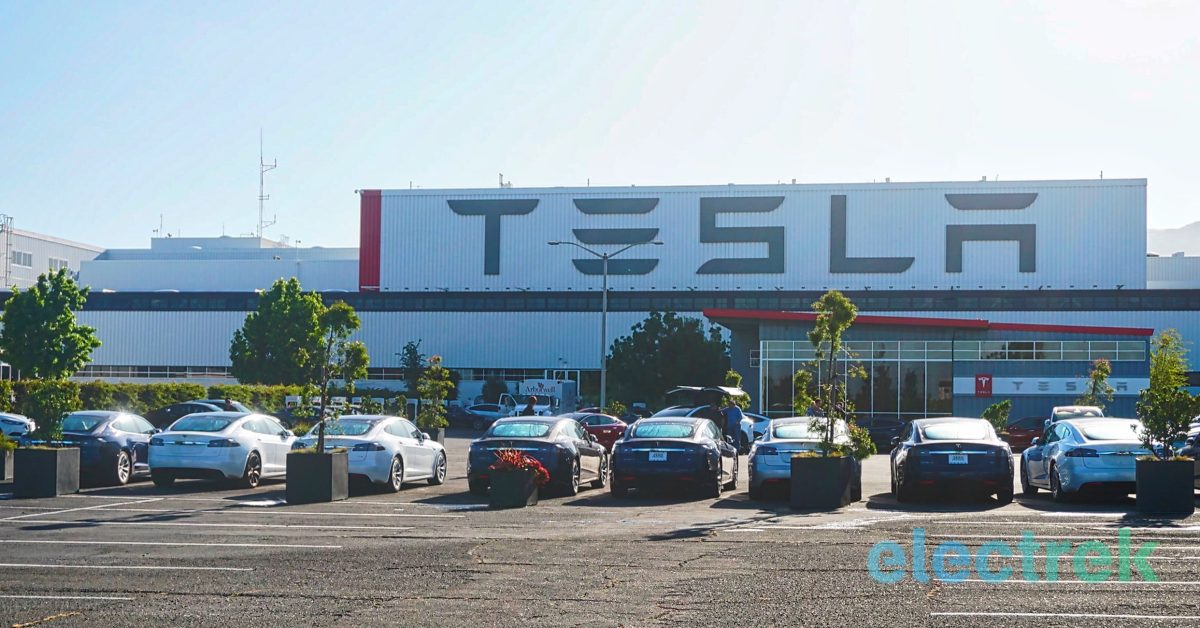
Tesla's Lawyers Misled Witness in Racism Trial
Tesla's ongoing racism trial in California has faced significant setbacks as it was revealed that a…
18h ago
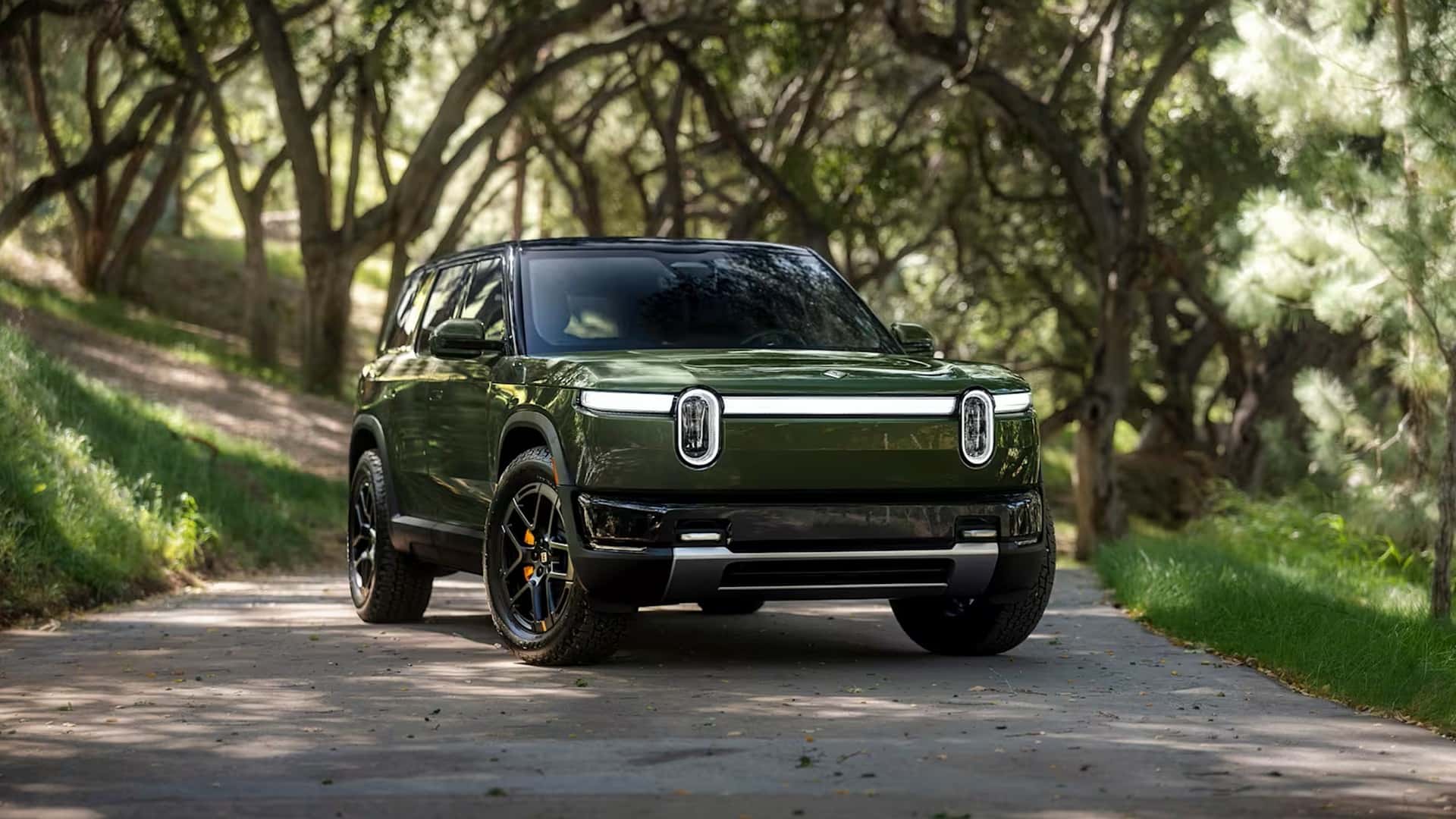
Rivian R2 Faces First Recall Due to Camera Issue
Rivian has issued a recall affecting nearly 99,000 vehicles, including some of its new R2 models,…
18h ago
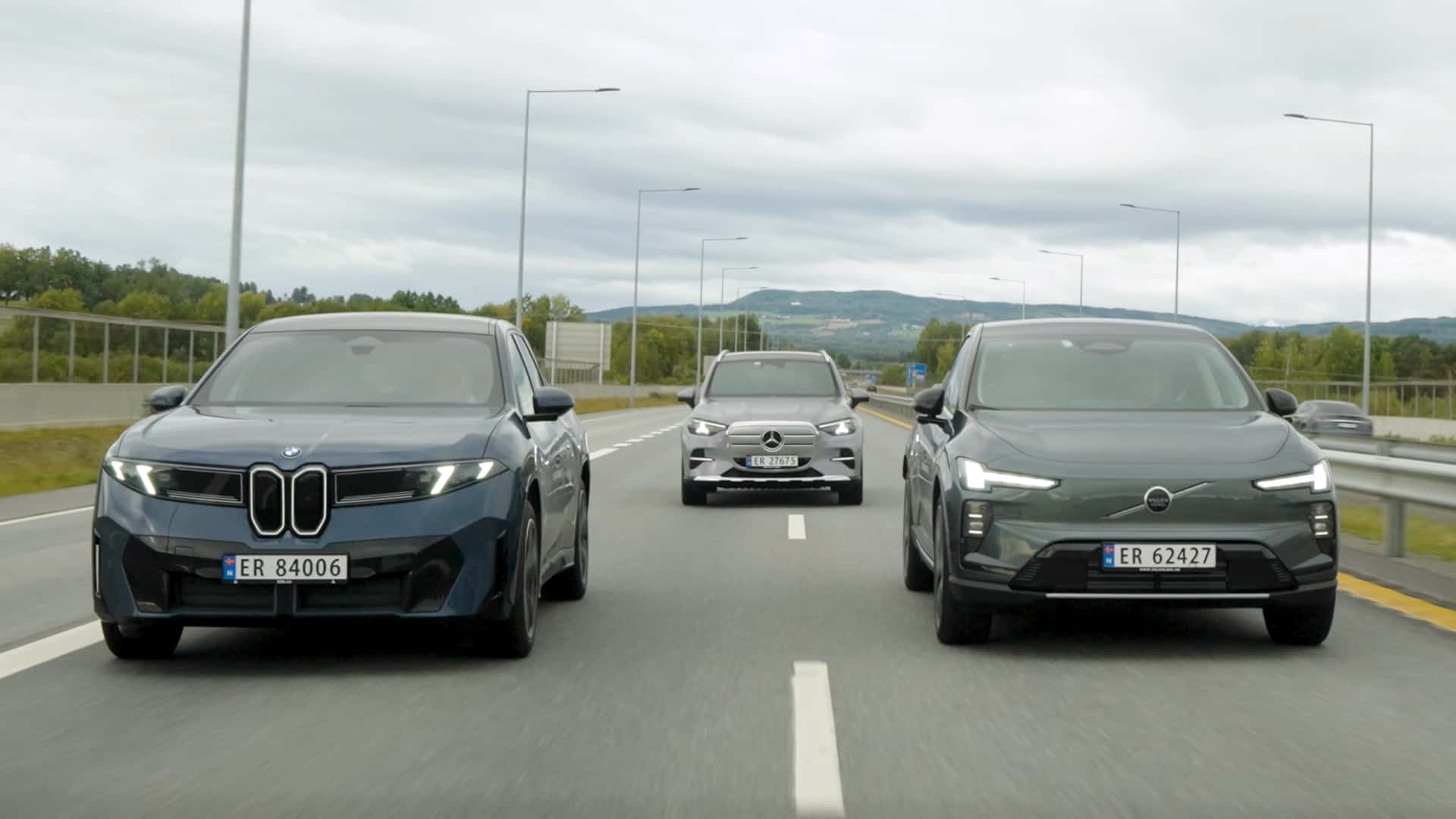
BMW iX3 Outperforms Mercedes GLC and Volvo EX60 in Highway Efficiency Test
In a recent highway test, the BMW iX3 demonstrated superior energy efficiency and range compared to…
1d ago
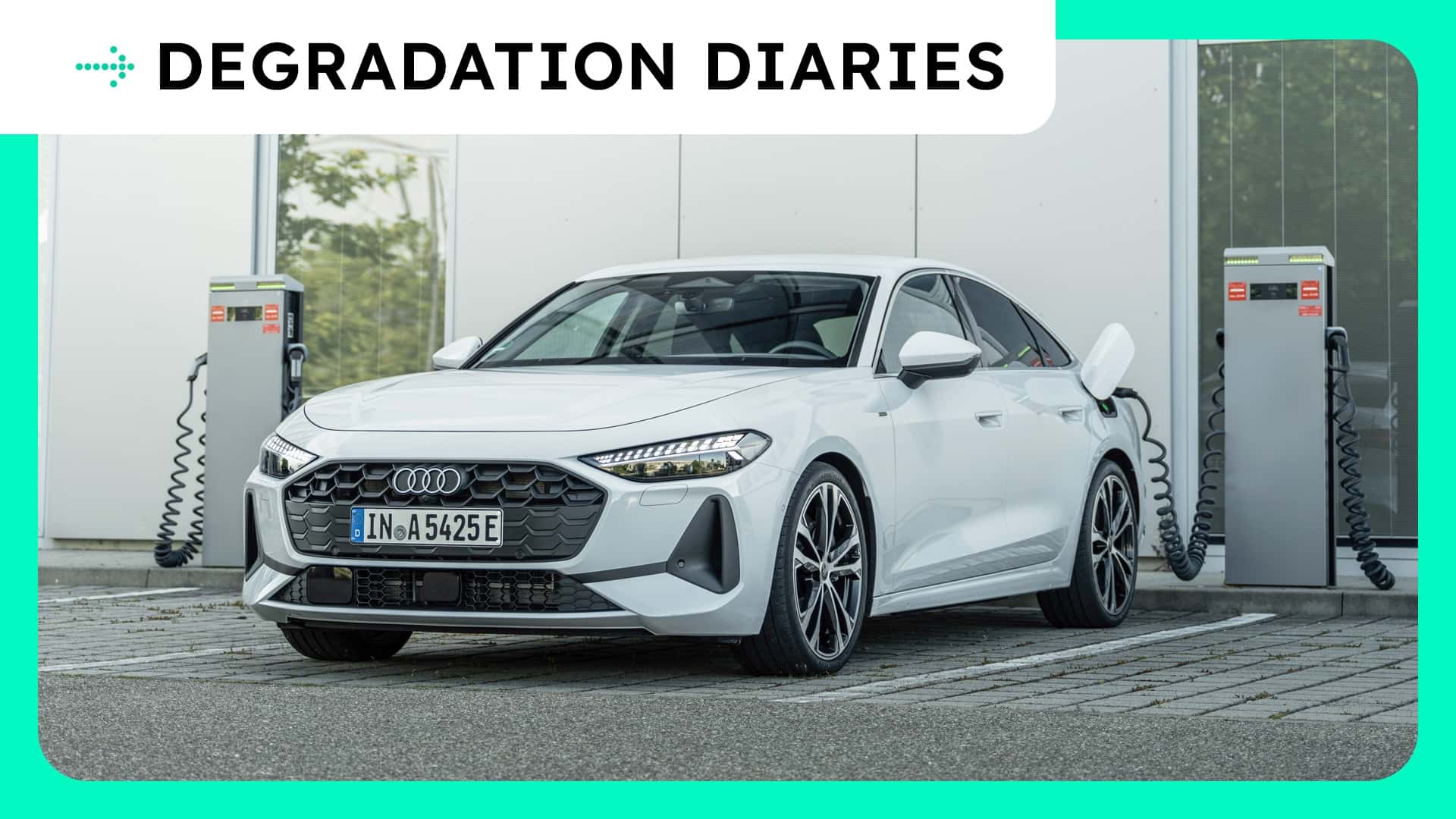
PHEV Batteries Show Resilience Despite Frequent Cycling
Plug-in hybrid electric vehicles (PHEVs) experience more frequent battery cycling than fully…
1d ago