CATL Battery Cells Show Longevity After 14 Years of Use
CATL's lithium iron phosphate (LFP) prismatic battery cells have been tested after 14 years in operation, and none have needed replacement. This longevity suggests that these battery cells can remain effective for another decade, which could have significant implications for energy storage and electric vehicle (EV) applications.

Key takeaways
30-second read- 1The durability of these battery cells may lead to lower ownership costs for EV owners due to reduced replacement needs.
- 2Long-lasting batteries can enhance the appeal of energy storage solutions, potentially making EVs more attractive to buyers.
- 3Improved battery longevity could influence the overall market for EVs and energy storage systems, possibly stabilizing prices.
Confirmed
No official source linked yet
Reported
Secondary reporting: InsideEVs
Verify yourself
Eligibility, local prices and dates for your car, state or utility
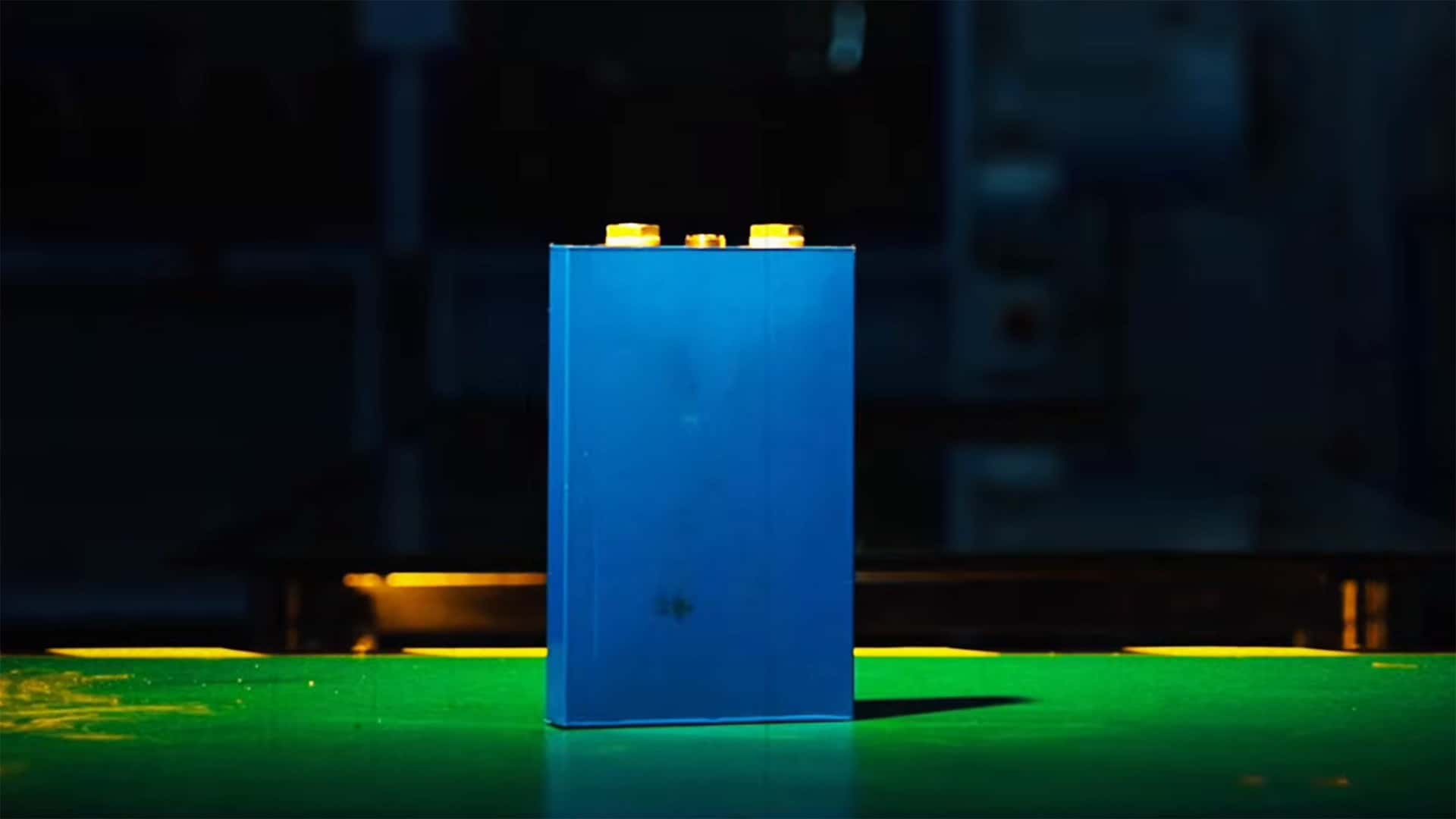
CATL's lithium iron phosphate (LFP) prismatic battery cells have been tested after 14 years in operation, and none have needed replacement. This impressive durability indicates that these battery cells can remain effective for another decade, which could have significant implications for energy storage and electric vehicle (EV) applications.
What Changed
The testing of CATL's LFP battery cells comes from their deployment in the world’s first large-scale battery energy storage project. After 14 years of hard work, the cells have demonstrated remarkable longevity, with no replacements required. This finding not only highlights the reliability of CATL's technology but also sets a precedent for the future of battery life in both energy storage and electric vehicles.
Why It Matters for Buyers/Owners
The longevity of these battery cells could lead to several important outcomes for EV buyers and owners:
- Lower Ownership Costs: With batteries that can last for decades without needing replacement, the overall cost of owning an EV may decrease, making it a more financially viable option for consumers.
- Increased Appeal of Energy Storage: As energy storage solutions become more reliable, they may attract more buyers, potentially leading to a broader acceptance of EVs and renewable energy technologies.
- Market Stability: Improved battery longevity could stabilize the market for EVs and energy storage systems, possibly preventing price fluctuations that can arise from battery supply issues.
Key Details from Source Material
According to InsideEVs, CATL's LFP prismatic cells were integral to the first large-scale battery energy storage project, which has now been operational for 14 years. The fact that not a single cell has been replaced during this time is a significant endorsement of CATL's battery technology. This durability is particularly noteworthy given the increasing demand for reliable energy storage solutions in the context of renewable energy integration and electric vehicle adoption.
What to Watch Next
As the market continues to evolve, it will be important to monitor how this development influences battery technology across the industry. Future advancements in battery chemistry and design may further enhance longevity and performance. Additionally, keep an eye on how other manufacturers respond to CATL's findings, as competition may drive further innovation in battery technology.
In conclusion, the longevity of CATL's battery cells not only underscores the potential for reduced ownership costs for EVs but also highlights the importance of reliable energy storage solutions in the transition to sustainable energy. As the industry moves forward, these developments will be crucial for both consumers and manufacturers alike.
Sources
1 media- [1]These Battery Cells Were Tested After 14 Years Of Hard Work. They're Good For Another DecadeMedia
InsideEVs · insideevs.com · published Sep 26
Newsletter
Weekly EV signal. No spam.
Comments
Log in with
Loading comments…