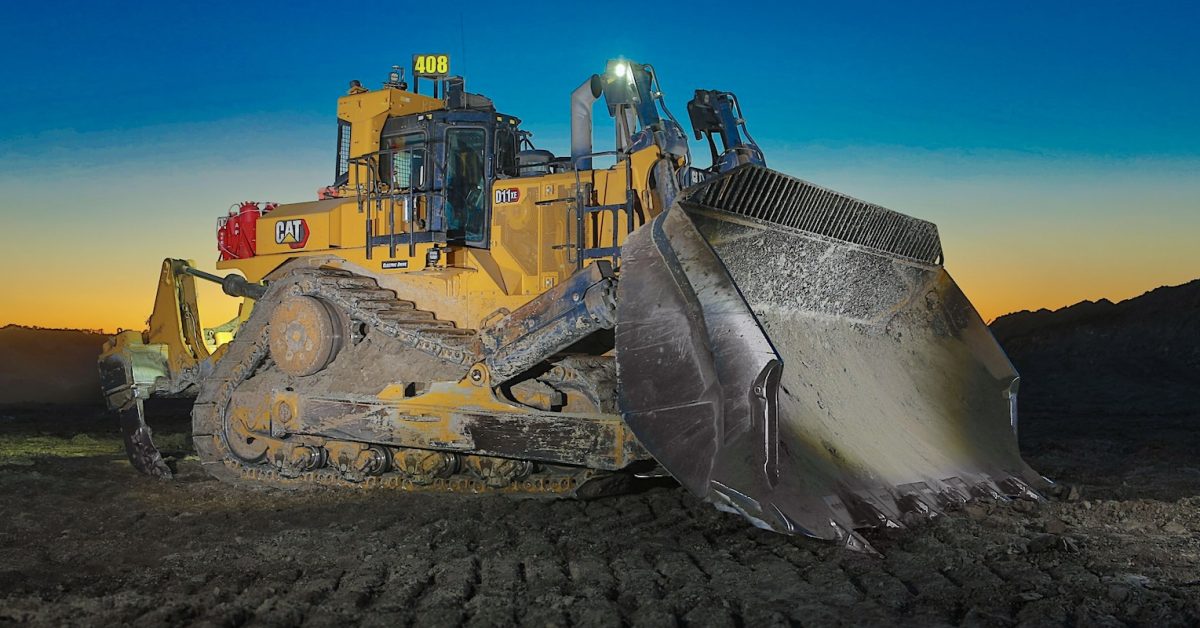
Caterpillar Introduces Electric Drive Dozer Using Diesel-Electric Locomotive Technology
Updated September 12, 2026
3 min read
1 linked source
Caterpillar has unveiled a new electric drive dozer that utilizes a century-old diesel-electric locomotive technology. This innovation aims to enhance efficiency and performance in heavy-duty applications, potentially impacting construction and mining sectors. However, specific details regarding pricing and availability remain unclear.
Share this story
Why it matters
- ✓The use of proven diesel-electric technology may lead to lower operational costs for heavy machinery users.
- ✓Enhanced efficiency could improve productivity in construction and mining operations, benefiting owners and operators.
- ✓As the technology evolves, it may influence the market for electric heavy machinery, impacting future purchasing decisions.
Reporting notes
EV Signal briefs are written to explain the verified change first, then add the context EV buyers and owners need to understand cost, availability, charging access, eligibility, or ownership impact.
If details are still developing, we try to say what is confirmed, what comes from secondary reporting, and what readers should verify before acting.
Source mix
1 linked source
1 media
Reviewed from: Electrek.
Caterpillar's New Electric Drive Dozer
Caterpillar has introduced a groundbreaking electric drive dozer that leverages the century-old technology of diesel-electric locomotives. This innovative approach combines high-efficiency diesel engines with electric motors to deliver enhanced performance and efficiency in heavy-duty applications.
What Changed
The new dozer from Caterpillar marks a significant shift in the heavy machinery sector, utilizing a proven diesel-electric system that has been successfully employed in locomotives for generations. This technology allows for high-torque electric motors powered by generators, which are driven by diesel engines, promising substantial efficiency gains for operators in construction and mining industries.
Why It Matters for Buyers and Owners
- Operational Cost Savings: The integration of diesel-electric technology may lead to lower fuel and maintenance costs, making it more economical for businesses that rely on heavy machinery.
- Increased Productivity: The enhanced efficiency of the new dozer could result in faster project completion times, benefiting construction and mining operations.
- Market Influence: As Caterpillar continues to innovate in the electric heavy machinery space, this may set a precedent for future electric machinery offerings, affecting purchasing decisions for buyers.
Key Details from Source Material
According to Electrek, the concept of using diesel-electric technology in heavy machinery is not new, but Caterpillar's application in a dozer is a notable development. The combination of consistent, high-efficiency diesel engines with electric motors has proven to be a robust solution for high-torque applications. While the exact specifications, pricing, and availability of the new electric drive dozer have not yet been disclosed, the implications for the industry are significant.
What to Watch Next
As Caterpillar rolls out this new electric drive dozer, industry stakeholders should keep an eye on further announcements regarding its specifications and market availability. Additionally, monitoring the response from competitors and the overall impact on the heavy machinery market will provide insights into the future of electric machinery in construction and mining sectors. Further details on pricing and operational capabilities are expected to emerge as the product launch progresses.
Sources
These are the documents and reports used to build this brief so readers can verify the story directly.
Comments
Log in with
Loading comments…
More in Ownership
Tesla's Lawyers Misled Witness in Racism Trial
Tesla's ongoing racism trial in California has faced significant setbacks as it was revealed that a…
18h ago
Rivian R2 Faces First Recall Due to Camera Issue
Rivian has issued a recall affecting nearly 99,000 vehicles, including some of its new R2 models,…
18h ago
BMW iX3 Outperforms Mercedes GLC and Volvo EX60 in Highway Efficiency Test
In a recent highway test, the BMW iX3 demonstrated superior energy efficiency and range compared to…
1d ago
PHEV Batteries Show Resilience Despite Frequent Cycling
Plug-in hybrid electric vehicles (PHEVs) experience more frequent battery cycling than fully…
1d ago