Canada's 2026 Climate Report Forecasts Glacier Loss by 2100
The Canadian government's Changing Climate Report 2026 predicts that glaciers in Canada could completely disappear by the year 2100. This significant environmental change will impact ecosystems, water resources, and potentially the livelihoods of communities dependent on glacial meltwater. The report underscores the urgency of climate action, although it does not specify the exact timeline for individual glaciers' decline.

Key takeaways
30-second read- 1As glaciers melt, water availability may fluctuate, affecting hydroelectric power generation, which is crucial for EV charging infrastructure.
- 2Changes in water resources could lead to increased costs for energy and water, indirectly impacting EV ownership costs.
- 3The loss of glaciers may alter local ecosystems, which could affect the availability of natural resources and land use for EV-related infrastructure.
Confirmed
No official source linked yet
Reported
Secondary reporting: CleanTechnica
Verify yourself
Eligibility, local prices and dates for your car, state or utility
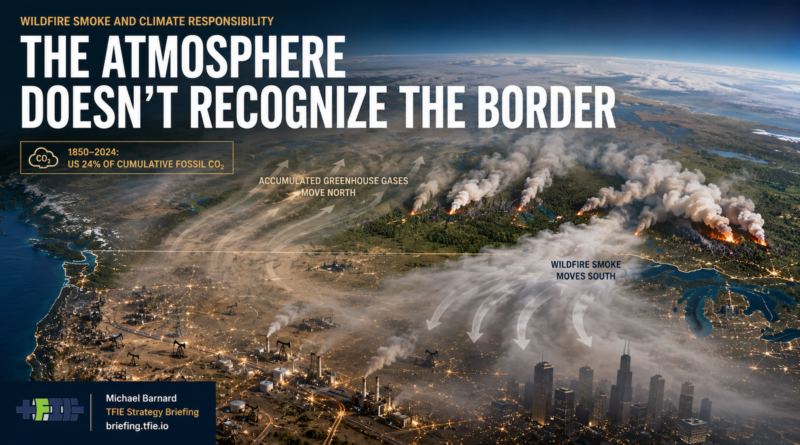
The Changing Climate Report 2026, published by the Canadian government, predicts that glaciers across the country could vanish by the year 2100. This alarming forecast highlights the significant environmental changes that Canada is expected to face in the coming decades, with implications for ecosystems, water resources, and communities that rely on glacial meltwater.
What Changed
The report indicates that iconic landscapes in Canada, particularly those featuring glaciers, are undergoing rapid transformation due to climate change. While the report does not provide specific timelines for the disappearance of individual glaciers, the overarching prediction suggests a complete loss by 2100. This change is attributed to rising temperatures and altered precipitation patterns, which are increasingly affecting glacial mass balance.
Why It Matters for Buyers and Owners
The implications of glacier loss extend beyond environmental concerns, particularly for electric vehicle (EV) buyers and owners:
-
Hydroelectric Power Generation: Many regions in Canada rely on hydroelectric power, which is often fed by glacial meltwater. As glaciers recede, the availability of this water source may diminish, potentially leading to fluctuations in energy supply. This could impact the reliability of charging stations powered by hydroelectricity.
-
Cost of Energy and Water: With changing water availability, energy costs may rise. This could affect the overall cost of owning an EV, as higher energy prices may translate to increased charging costs for consumers.
-
Ecosystem Changes: The loss of glaciers may disrupt local ecosystems, affecting biodiversity and land use. Such changes could influence where charging infrastructure is developed or maintained, impacting the convenience of EV ownership in certain areas.
Key Details from Source Material
According to CleanTechnica, the Canadian government believes its citizens can understand and engage with scientific findings, which is reflected in the transparency of the Changing Climate Report 2026. The report serves as a wake-up call, emphasizing the need for urgent climate action to mitigate these changes. It highlights that iconic landscapes are changing, which could have far-reaching effects on various sectors, including energy and transportation.
What to Watch Next
As the situation develops, it will be crucial to monitor further reports and studies that may provide more detailed timelines for glacier loss and its specific impacts on water resources and energy generation. Additionally, stakeholders in the EV market should keep an eye on how these environmental changes influence infrastructure development and energy policies in Canada. The ongoing dialogue around climate action and adaptation strategies will also be vital in shaping the future landscape for EV buyers and owners in the region.
In conclusion, the Changing Climate Report 2026 serves as a critical reminder of the interconnectedness of climate change, energy resources, and the future of electric vehicles in Canada. Understanding these dynamics will be essential for consumers and policymakers alike as they navigate the evolving landscape of sustainable transportation.
Sources
1 media- [1]Canada Changing Climate Report 2026 Predicts End Of Glaciers By 2100Media
CleanTechnica · cleantechnica.com · published Oct 21
Newsletter
Weekly EV signal. No spam.
Comments
Log in with
Loading comments…