
California to Sue Over Federal Moves to Block Wind Power Projects
Updated June 24, 2026
3 min read
1 linked source
California has filed a notice of intent to sue the Department of the Interior for its actions to block wind power projects off the central coast. This legal action could impact renewable energy initiatives in the state, particularly those aimed at increasing clean energy production. The outcome remains uncertain as the state seeks to challenge federal decisions that may hinder its renewable energy goals.
Share this story
Why it matters
- ✓Potential delays in renewable energy projects could affect the availability of clean energy sources for EV charging.
- ✓Increased reliance on fossil fuels due to blocked wind projects may lead to higher electricity prices, impacting ownership costs for EV owners.
- ✓A successful lawsuit could pave the way for more renewable energy, which is crucial for meeting California's ambitious climate goals and supporting EV infrastructure.
Reporting notes
EV Signal briefs are written to explain the verified change first, then add the context EV buyers and owners need to understand cost, availability, charging access, eligibility, or ownership impact.
If details are still developing, we try to say what is confirmed, what comes from secondary reporting, and what readers should verify before acting.
Source mix
1 linked source
1 media
Reviewed from: Electrek.
California's Legal Action Against Federal Wind Power Block
California has officially filed a notice of intent to sue the Department of the Interior over its recent actions to block wind power projects off the state's central coast. This legal move comes in response to the federal government's attempts to halt two significant wind energy initiatives that are crucial for California's renewable energy strategy.
What Changed
The Department of the Interior's decision to block these wind power projects represents a significant shift in federal policy that could have far-reaching implications for California's energy landscape. The state is now taking legal action to challenge this decision, which it views as detrimental to its efforts to expand renewable energy sources and combat climate change.
Why It Matters for Buyers and Owners
The implications of this lawsuit extend beyond legal proceedings. Here are a few key points on how this situation could affect electric vehicle (EV) buyers and owners:
- Impact on Charging Infrastructure: Delays in renewable energy projects could hinder the development of clean energy sources that power EV charging stations, potentially affecting the availability and reliability of charging options.
- Electricity Pricing: If the federal government continues to block wind projects, California may have to rely more on fossil fuels, which could lead to increased electricity prices. This would directly impact the ownership costs for EV owners who rely on affordable charging.
- Long-term Renewable Goals: A successful lawsuit could facilitate the growth of renewable energy in California, supporting the state's ambitious climate goals and enhancing the infrastructure necessary for EV adoption.
Key Details from Source Material
According to Electrek, California's lawsuit is a direct response to the Department of the Interior's recent actions that threaten to stifle wind energy development. The projects in question are seen as vital to California's transition to a cleaner energy grid, which is essential for supporting the state's growing EV market. The legal challenge underscores the state's commitment to renewable energy and its willingness to confront federal policies that it perceives as obstructive.
What to Watch Next
As this legal situation unfolds, it will be important to monitor the progress of California's lawsuit and any responses from the federal government. The outcome could set a precedent for future renewable energy projects and influence the broader landscape of clean energy initiatives across the United States. Additionally, keep an eye on how this situation might affect electricity prices and the availability of charging infrastructure for EVs in California.
In conclusion, California's legal action against the federal government highlights the ongoing struggle between state and federal policies regarding renewable energy. The results of this lawsuit could have significant implications for the future of wind power and the overall landscape for electric vehicle ownership in the state.
Sources
These are the documents and reports used to build this brief so readers can verify the story directly.
Comments
Log in with
Loading comments…
More in Ownership
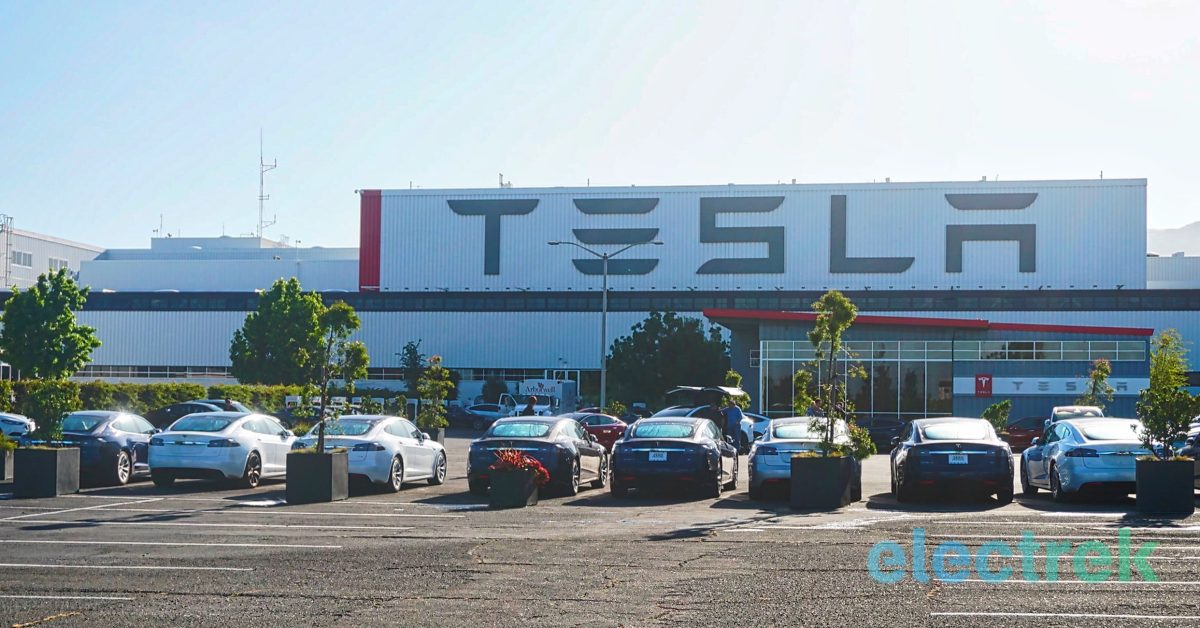
Tesla's Lawyers Misled Witness in Racism Trial
Tesla's ongoing racism trial in California has faced significant setbacks as it was revealed that a…
18h ago
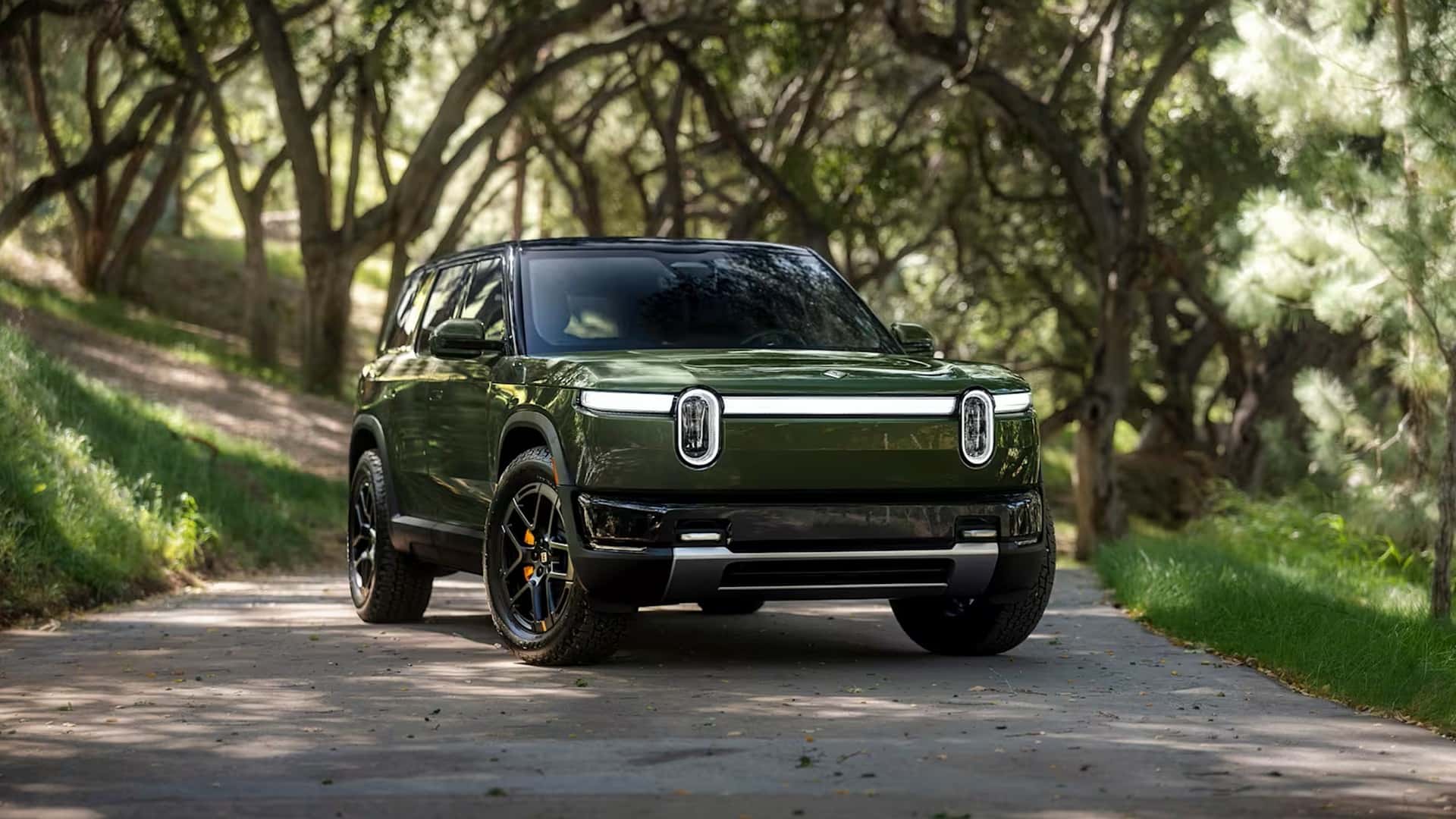
Rivian R2 Faces First Recall Due to Camera Issue
Rivian has issued a recall affecting nearly 99,000 vehicles, including some of its new R2 models,…
18h ago
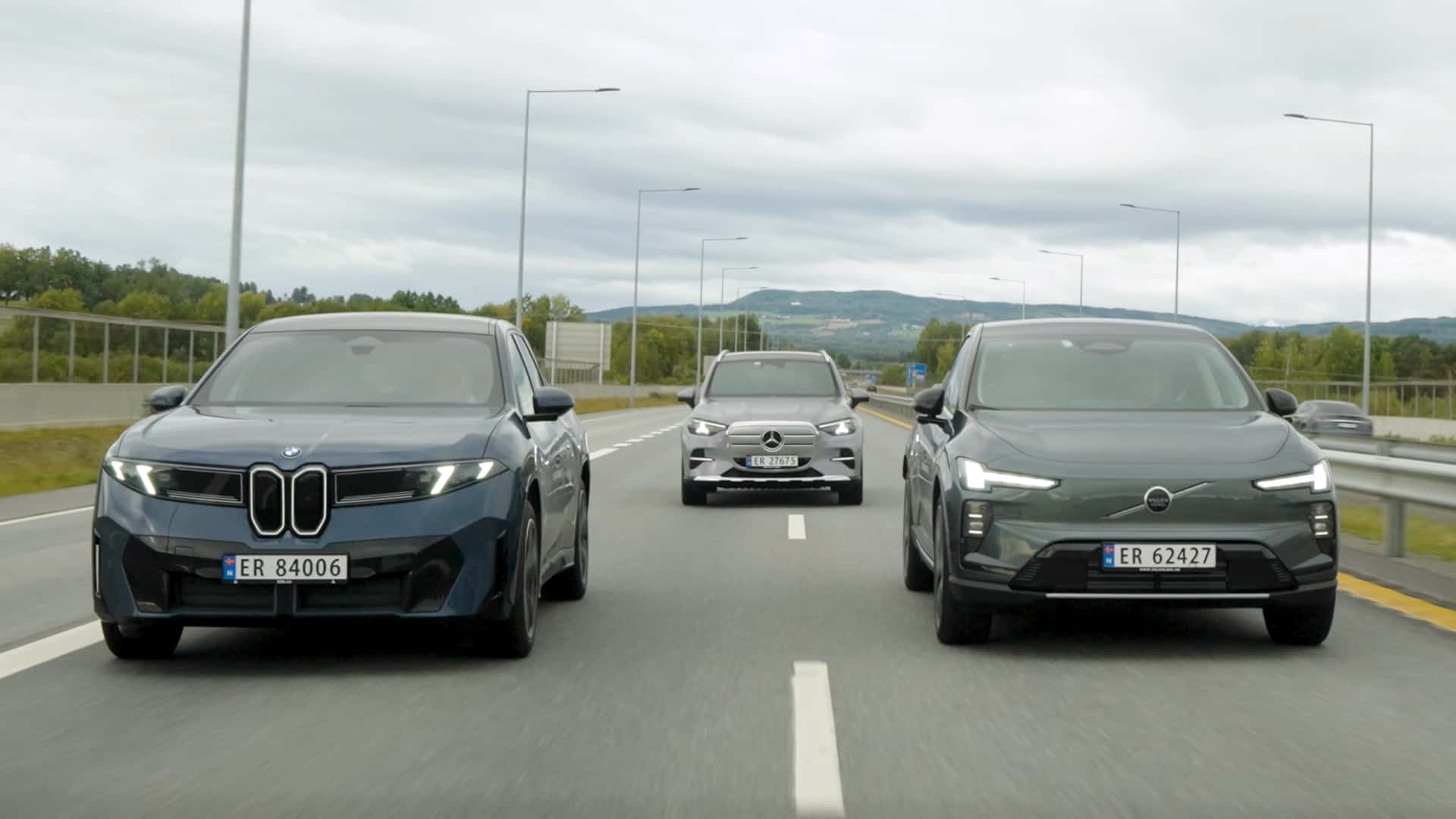
BMW iX3 Outperforms Mercedes GLC and Volvo EX60 in Highway Efficiency Test
In a recent highway test, the BMW iX3 demonstrated superior energy efficiency and range compared to…
1d ago
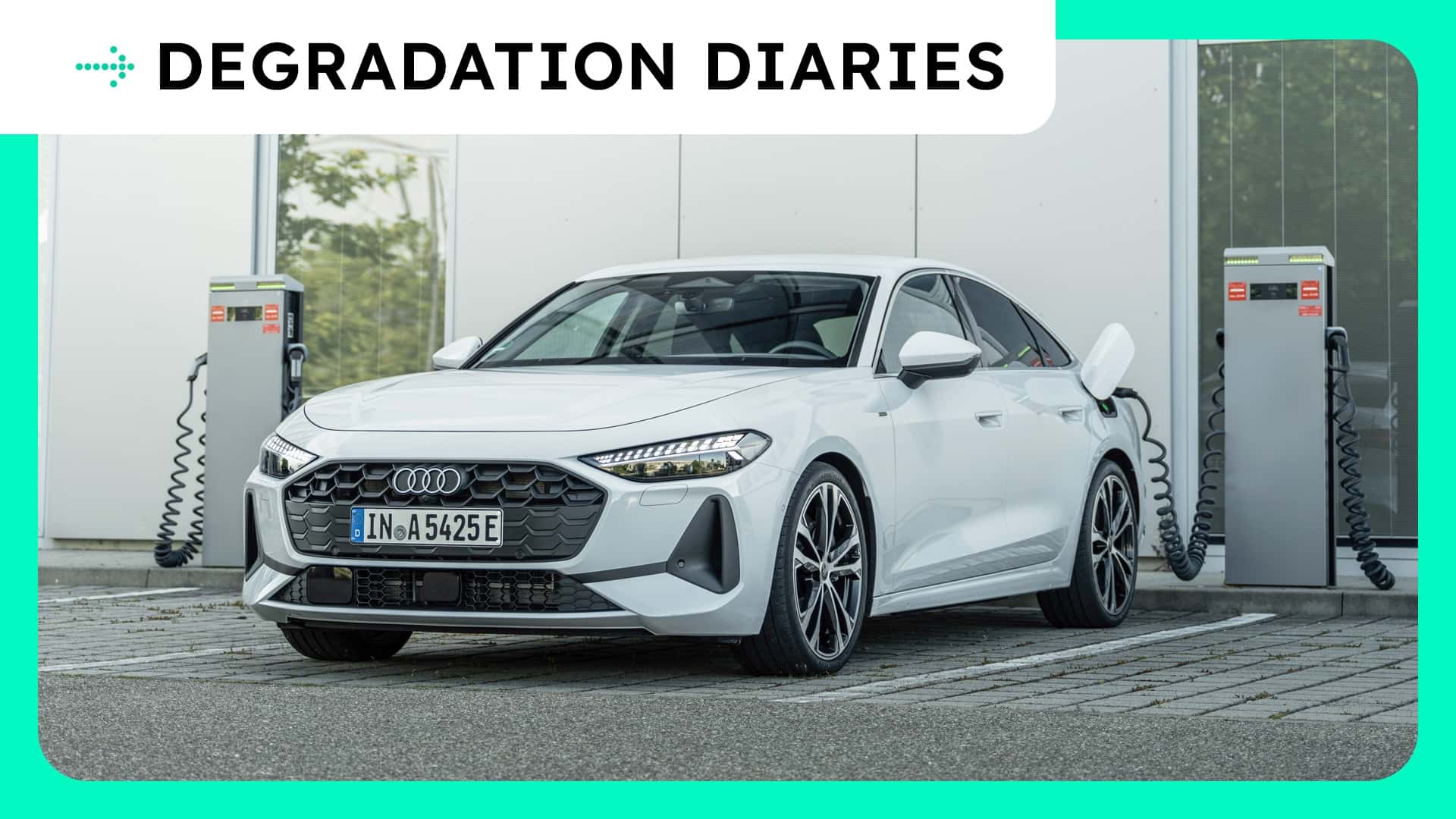
PHEV Batteries Show Resilience Despite Frequent Cycling
Plug-in hybrid electric vehicles (PHEVs) experience more frequent battery cycling than fully…
1d ago