BYD's Seagull EV Introduces High-Speed Tire Blowout System
BYD has updated its budget-friendly electric vehicle, the Seagull, which starts at around $10,000 in China, to include a high-speed tire blowout system. This new feature is designed to stabilize the vehicle in the event of a tire blowout at speeds nearing 90 mph. This update primarily affects potential buyers in the budget EV market, enhancing safety during high-speed driving.

Key takeaways
30-second read- 1The introduction of a blowout stabilization system may increase consumer confidence in budget EVs, particularly for those concerned about safety at higher speeds.
- 2This feature could make the Seagull more appealing to buyers looking for an affordable vehicle that does not compromise on safety.
- 3As the EV market continues to grow, innovations like this could set new standards for safety in low-cost electric vehicles.
Confirmed
No official source linked yet
Reported
Secondary reporting: Electrek
Verify yourself
Eligibility, local prices and dates for your car, state or utility
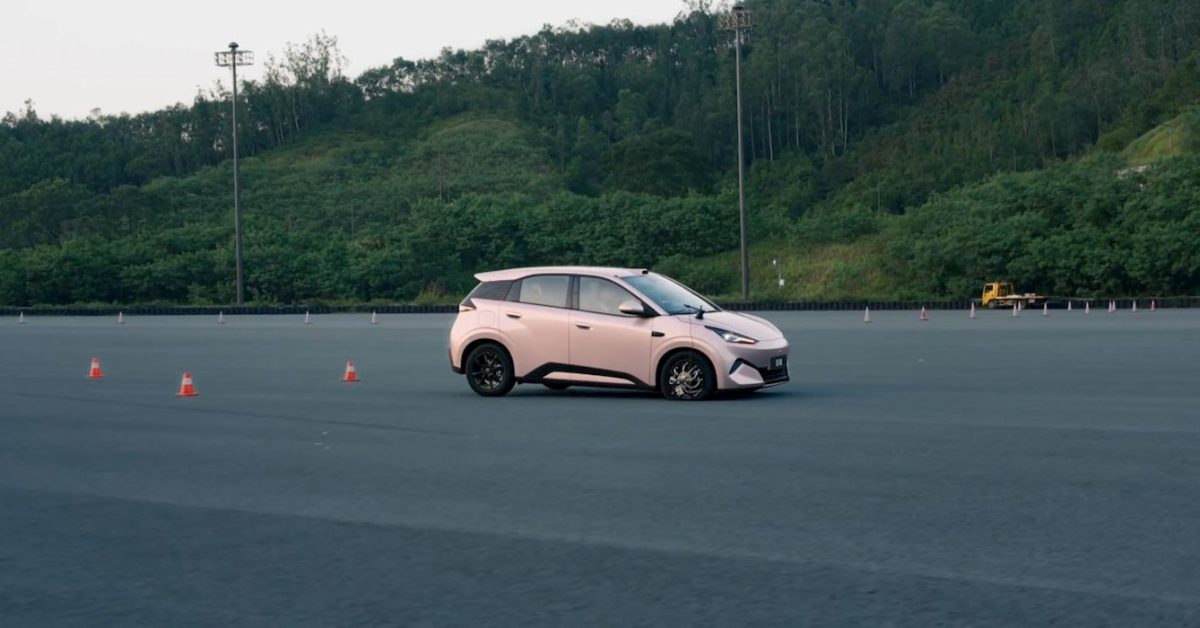
BYD's Seagull EV Introduces High-Speed Tire Blowout System
BYD has made a significant update to its Seagull electric vehicle, which is priced at approximately $10,000 in China. The latest version now features a high-speed tire blowout system designed to stabilize the vehicle in the event of a tire failure at speeds nearing 90 mph. This enhancement aims to improve safety for drivers who may find themselves in high-speed situations.
What Changed
The Seagull, BYD's most affordable electric car, has received an update that includes a specialized system to manage tire blowouts. This system is engineered to help maintain vehicle stability and control when a tire blows out at high speeds, a critical safety feature for any vehicle, especially in the budget segment where safety features can often be limited.
Why It Matters for Buyers/Owners
The addition of a blowout stabilization system is particularly relevant for potential buyers in the budget EV market. Here are a few reasons why this update is significant:
- Increased Safety: With the ability to stabilize the vehicle during a tire blowout, drivers may feel more secure driving at higher speeds, which is essential for highway travel.
- Consumer Confidence: As safety becomes a more pressing concern for consumers, this feature could enhance the appeal of the Seagull, making it a more attractive option for budget-conscious buyers.
- Setting New Standards: Innovations like this could influence other manufacturers in the budget EV segment to prioritize safety features, potentially raising the overall standards for low-cost electric vehicles.
Key Details from Source Material
According to Electrek, the Seagull's blowout system is a notable addition that reflects BYD's commitment to improving the safety of its vehicles, even at lower price points. The vehicle's starting price remains around $10,000, making it one of the most affordable electric cars available in China. The introduction of this feature may also indicate a trend where manufacturers are beginning to integrate advanced safety technologies into more economical models, which has traditionally been the domain of higher-end vehicles.
What to Watch Next
As this development unfolds, it will be important to monitor how consumers respond to the updated Seagull and whether other manufacturers follow suit with similar safety features in their budget EV offerings. Additionally, further details on the performance and reliability of the blowout stabilization system will be crucial in assessing its effectiveness in real-world scenarios. Keep an eye on reviews and safety ratings as they become available to gauge the impact of this innovation on the EV market.
Sources
1 media- [1]BYD’s $10,000 EV blows a tire at nearly 90 mph — Watch what happensMedia
Electrek · electrek.co · published Oct 27
Newsletter
Weekly EV signal. No spam.
Comments
Log in with
Loading comments…


