
BYD's Electric SUV Achieves Anti-Motion-Sickness Certification

Edited by Volta Kessrin
Models, Pricing & Buying
Updated July 1, 2026
3 min read
1 linked source
BYD's new full-size electric SUV has received an industry-first anti-motion-sickness certification, designed to enhance passenger comfort. This feature aims to reduce motion sickness for all passengers, making it a notable advancement in electric vehicle technology. Details on the specific mechanisms behind this mode and its availability are still emerging.
Share this story
Why it matters
- ✓The anti-motion-sickness feature may improve the overall passenger experience, making long journeys more comfortable.
- ✓This innovation could set a new standard in the EV market, prompting competitors to develop similar technologies.
- ✓Potential buyers may find this feature particularly appealing for family use or for those prone to motion sickness.
BYD's New Electric SUV Features Anti-Motion-Sickness Certification
BYD has announced that its latest full-size electric SUV has achieved an industry-first anti-motion-sickness certification. This groundbreaking feature is designed to enhance passenger comfort by minimizing the effects of motion sickness during travel. The certification indicates that the vehicle's design and technology effectively reduce discomfort for all passengers, a significant advancement in electric vehicle (EV) technology.
What Changed
The introduction of the anti-motion-sickness mode in BYD's flagship electric SUV marks a notable shift in how manufacturers are addressing passenger comfort. While many vehicles focus on performance and efficiency, BYD's emphasis on reducing motion sickness represents a growing awareness of the importance of passenger experience in the EV market. This feature is particularly relevant for families or individuals who may be sensitive to motion, potentially making long trips more enjoyable.
Why It Matters for Buyers and Owners
-
Enhanced Passenger Experience: The anti-motion-sickness feature could significantly improve the comfort level for passengers, particularly during longer journeys. This could be a deciding factor for families or those who frequently travel with others.
-
Market Differentiation: By introducing this innovative feature, BYD may set a new benchmark in the EV industry. Competitors might feel pressured to develop similar technologies, which could lead to a broader range of comfort-focused features in future models.
-
Appeal to Sensitive Riders: For potential buyers who are prone to motion sickness, this feature could make BYD's SUV a more attractive option compared to other vehicles that lack such technology. This could widen the customer base for BYD, particularly among those who prioritize comfort in their vehicle choice.
Key Details from Source Material
According to Electrek, the anti-motion-sickness mode is an industry-first feature that aims to provide a smoother ride for all passengers in the SUV. While specific details about how this mode operates have not been disclosed, the certification suggests that BYD has implemented effective design elements to mitigate motion-related discomfort. As this is a new feature, further information on its operational mechanics and real-world effectiveness is anticipated as the vehicle becomes available to consumers.
What to Watch Next
As BYD continues to roll out this flagship electric SUV, it will be important to monitor customer feedback regarding the anti-motion-sickness feature. Additionally, details regarding the vehicle's availability, pricing, and other specifications are still forthcoming. Observers should also keep an eye on how competitors respond to this innovation, as it may influence future developments in the EV market.
In conclusion, BYD's introduction of an anti-motion-sickness mode in its new electric SUV represents a significant step forward in enhancing passenger comfort, potentially reshaping consumer expectations in the EV landscape.
Sources
These are the documents and reports used to build this brief so readers can verify the story directly.
Reporting notes
EV Signal briefs are written to explain the verified change first, then add the context EV buyers and owners need to understand cost, availability, charging access, eligibility, or ownership impact.
If details are still developing, we try to say what is confirmed, what comes from secondary reporting, and what readers should verify before acting.
Source mix
1 linked source
1 media
Reviewed from: Electrek.
Comments
Log in with
Loading comments…
More in Models & Pricing

Tesla Delays Roadster 2.0 Reveal by Two Weeks
Tesla CEO Elon Musk has announced a two-week delay for the reveal of the new 'flying' Roadster 2.0,…
1h ago
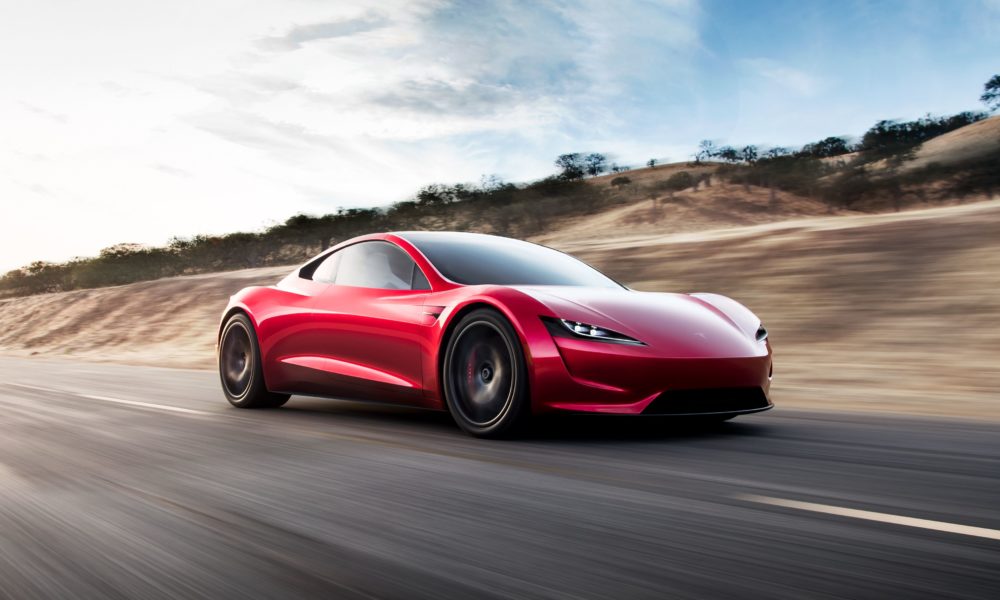
Tesla Roadster Event Delayed to October 15 Due to Weather
Tesla has postponed its upcoming Roadster event from October 1 to October 15 due to unfavorable…
1h ago

Tesla Delays Roadster 2 Event Again Due to Bad Weather
Tesla has postponed the highly anticipated Roadster 2 event due to adverse weather conditions. The…
7h ago
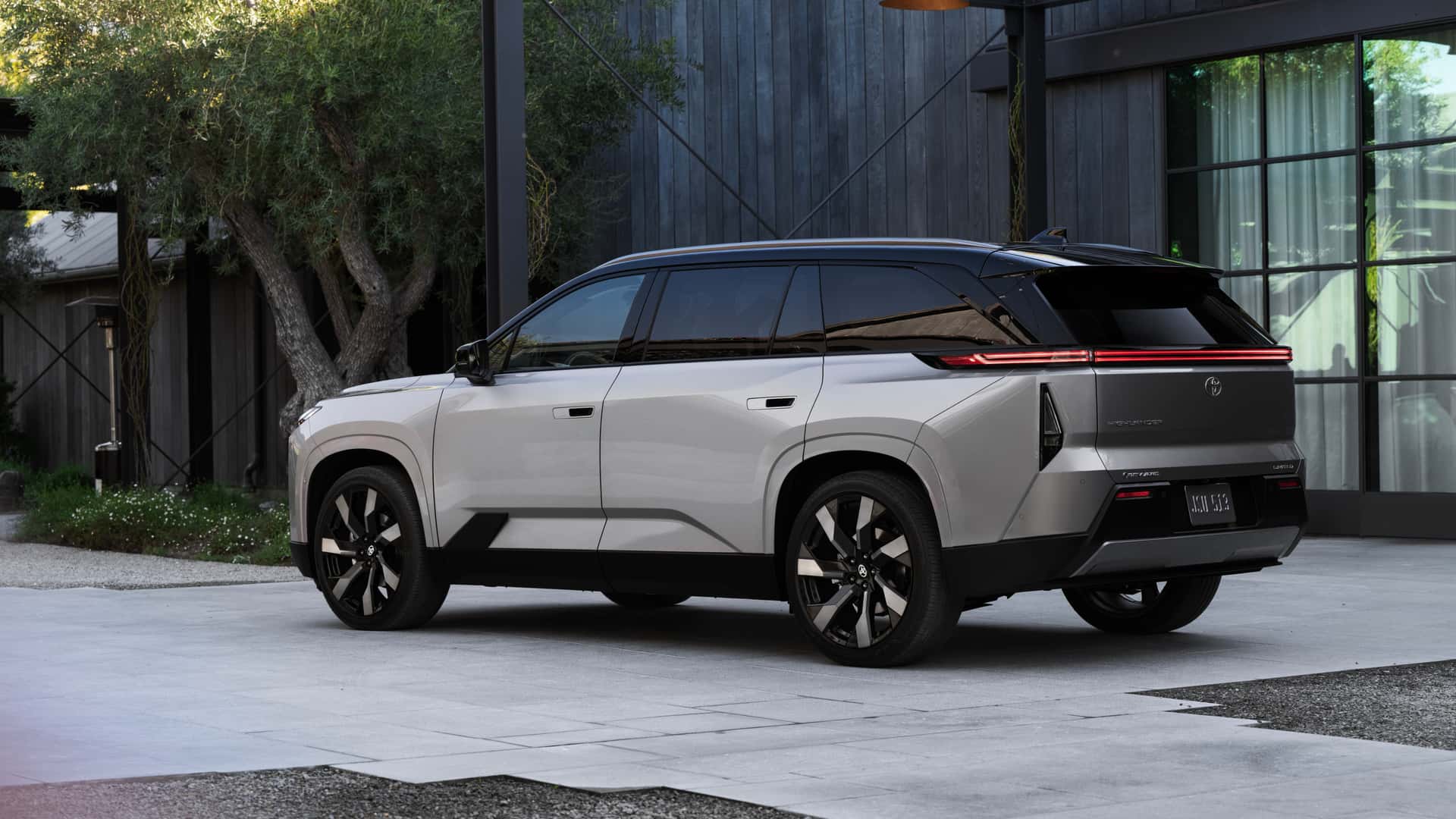
Toyota's North American Executive Discusses EV Strategy and Challenges
Toyota's North American product planning executive reflects on the company's journey in the…
7h ago