BYD's 300-MPH Electric Hypercar Crashes During Testing
The BYD Yangwang U9, an electric hypercar boasting nearly 3,000 horsepower, crashed during high-speed testing. Fortunately, the driver survived the incident, with the passenger cell effectively protecting them. The vehicle was reported to be unrecognizable post-crash, raising concerns about the safety and durability of such high-performance electric vehicles.

Key takeaways
30-second read- 1Highlights the importance of safety features in high-performance EVs.
- 2Raises questions about the durability and reliability of extreme performance electric vehicles.
- 3May affect consumer confidence in purchasing high-speed electric hypercars.
Confirmed
No official source linked yet
Reported
Secondary reporting: InsideEVs
Verify yourself
Eligibility, local prices and dates for your car, state or utility
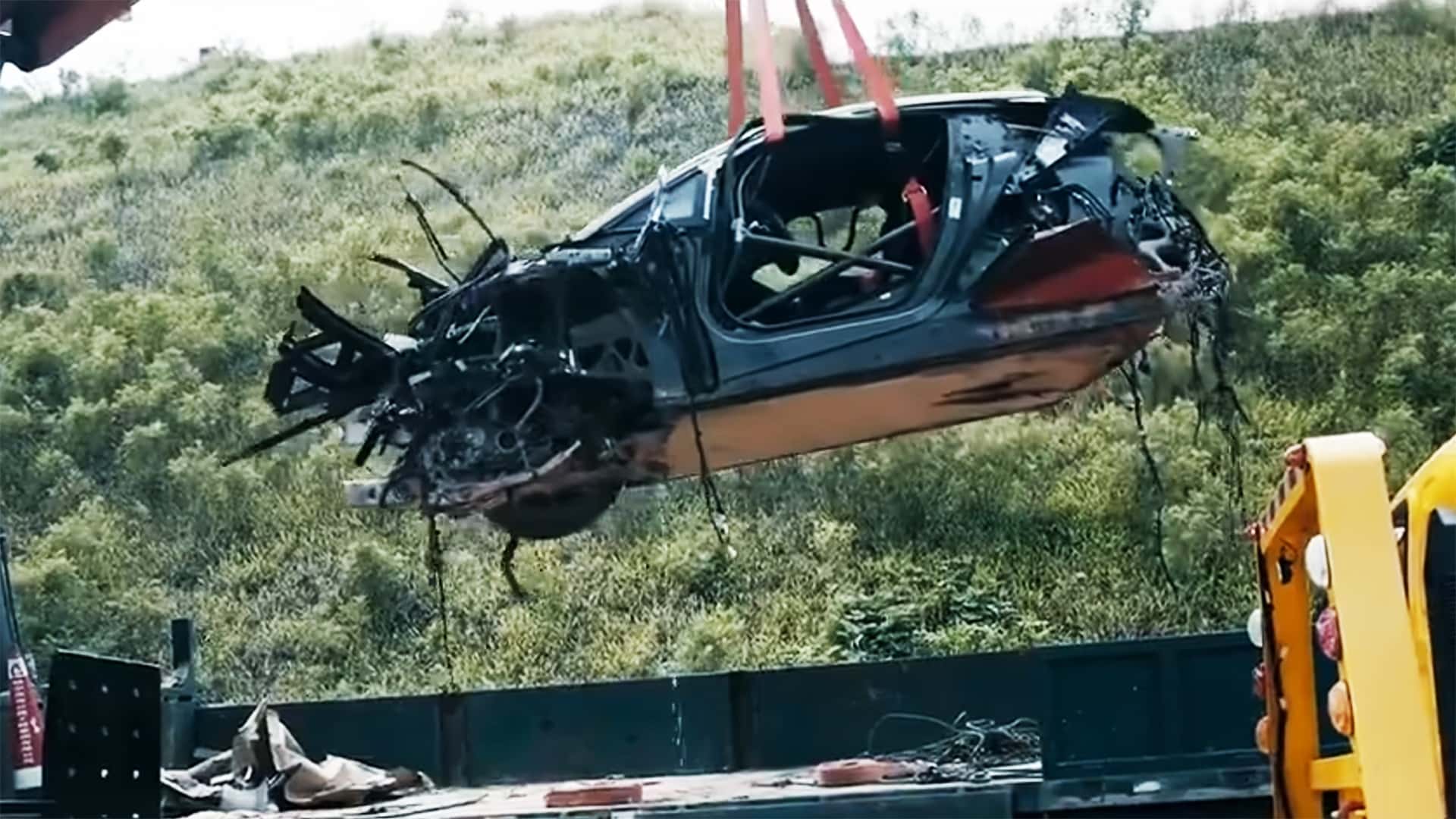
The BYD Yangwang U9, an electric hypercar known for its astonishing nearly 3,000 horsepower, was involved in a crash during high-speed testing. Fortunately, the driver survived the incident, thanks to the effective design of the passenger cell, which managed to protect them despite the car being rendered unrecognizable after the accident.
What Changed
During a recent testing session, the Yangwang U9 experienced a crash at high speed, leading to significant damage to the vehicle. The incident underscores the risks associated with testing high-performance electric vehicles, particularly those designed to reach extreme speeds.
Why It Matters for Buyers/Owners
The crash of the Yangwang U9 raises several important considerations for potential buyers and current owners of high-performance electric vehicles:
- Safety Features: The incident highlights the critical role of safety features in high-speed electric vehicles, reassuring buyers that advanced engineering can protect drivers in extreme situations.
- Durability Concerns: The extent of the damage to the U9 may prompt potential buyers to consider the durability and reliability of hypercars, especially those pushing the limits of performance.
- Consumer Confidence: Such incidents can impact consumer confidence in the market for high-performance electric vehicles, potentially influencing purchasing decisions.
Key Details from Source Material
According to InsideEVs, the Yangwang U9 was involved in a crash during testing, and while the vehicle was severely damaged, the driver emerged unscathed. This incident serves as a reminder of the inherent risks involved in pushing the boundaries of electric vehicle performance. The effectiveness of the passenger cell in protecting the driver is a positive takeaway, showcasing the advancements in automotive safety technology.
What to Watch Next
As details surrounding the crash continue to emerge, it will be important to monitor any official statements from BYD regarding the incident and any implications it may have for the future of the Yangwang U9 and similar high-performance electric vehicles. Additionally, industry reactions and potential safety reviews may follow as the automotive community assesses the impact of this event on the hypercar segment.
Sources
1 media- [1]BYD’s 300-MPH Electric Hypercar Crashed During Testing. The Driver SurvivedMedia
InsideEVs · insideevs.com · published Nov 3
Newsletter
Weekly EV signal. No spam.
Comments
Log in with
Loading comments…


