
BYD Launches 2026 Seagull with LiDAR for $13,000
Updated May 13, 2026
3 min read
1 linked source
BYD has introduced the 2026 Seagull, the first A00-class electric vehicle (EV) equipped with a roof-mounted LiDAR system, priced at approximately $13,000. This launch marks a significant advancement in affordable EV technology, making smart-driving features more accessible to consumers. The availability and performance of the Seagull's LiDAR system remain to be fully detailed.
Share this story
Why it matters
- ✓The Seagull's price point makes advanced driving technology more accessible to budget-conscious buyers.
- ✓The introduction of LiDAR in an entry-level EV could enhance safety and driving assistance features, potentially improving the overall ownership experience.
- ✓This move may encourage competition among manufacturers to include advanced technology in lower-priced EVs.
BYD Launches 2026 Seagull with LiDAR for $13,000
BYD has officially launched the 2026 Seagull, making headlines as the first A00-class electric vehicle (EV) to feature a roof-mounted LiDAR system. Priced at approximately $13,000, this new model aims to bring advanced smart-driving technology to the entry-level EV market, a significant step forward for budget-conscious consumers.
What Changed
The introduction of the Seagull represents a notable shift in the EV landscape, particularly for entry-level vehicles. Traditionally, advanced features like LiDAR have been reserved for higher-end models, but BYD's latest offering breaks this trend by integrating such technology into a more affordable price range. This move could potentially redefine consumer expectations for entry-level EVs, making advanced safety and driving assistance features more accessible.
Why It Matters for Buyers/Owners
- Affordability: The Seagull's price point of around $13,000 allows more consumers to consider purchasing an EV, especially those who may have previously found electric vehicles out of their financial reach.
- Enhanced Safety Features: By incorporating LiDAR technology, the Seagull could offer improved safety and driving assistance features, which may enhance the overall driving experience and reduce the risk of accidents.
- Market Competition: This launch may stimulate competition among other manufacturers to include similar advanced technologies in their own budget-friendly models, potentially leading to more options for consumers in the future.
Key Details from Source Material
According to Electrek, the Seagull is the first of its kind in the A00-class category to feature a roof-mounted LiDAR system. This technology is typically associated with more expensive vehicles, making its presence in a low-cost model noteworthy. The LiDAR system is expected to contribute to the vehicle's smart-driving capabilities, although specific details regarding its functionality and performance have not yet been disclosed.
What to Watch Next
As the Seagull rolls out to consumers, it will be important to monitor reviews and feedback regarding the performance of its LiDAR system and overall driving experience. Additionally, BYD's plans for distribution and availability in various markets will be crucial for understanding how this model fits into the broader EV landscape. Further details on the Seagull's features and specifications are anticipated as it becomes available for purchase.
Sources
These are the documents and reports used to build this brief so readers can verify the story directly.
Reporting notes
EV Signal briefs are written to explain the verified change first, then add the context EV buyers and owners need to understand cost, availability, charging access, eligibility, or ownership impact.
If details are still developing, we try to say what is confirmed, what comes from secondary reporting, and what readers should verify before acting.
Source mix
1 linked source
1 media
Reviewed from: Electrek.
Comments
Log in with
Loading comments…
More in Models & Pricing

Audi EV Sets Guinness World Record for Longest Distance Driven on Single Charge
The Audi A6 e-tron has achieved a Guinness World Record by driving 831 miles without recharging,…
Just now
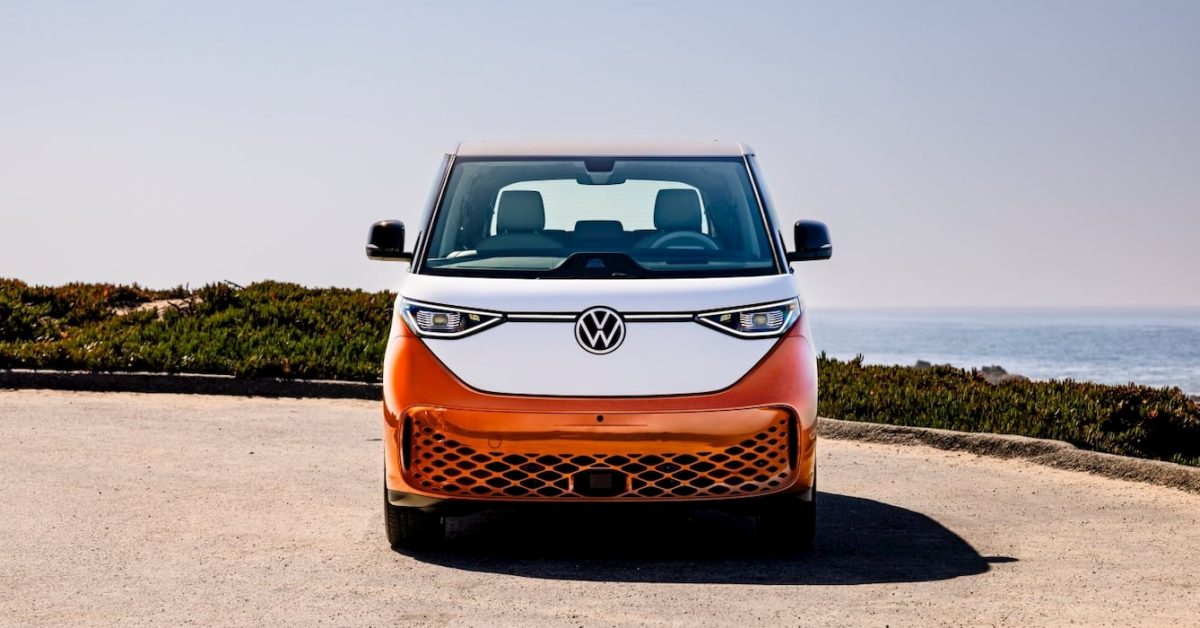
Volkswagen Delays Electric Minibus for US Market Again
Volkswagen has announced that its electric minibus will not be available for the 2027 model year as…
Just now
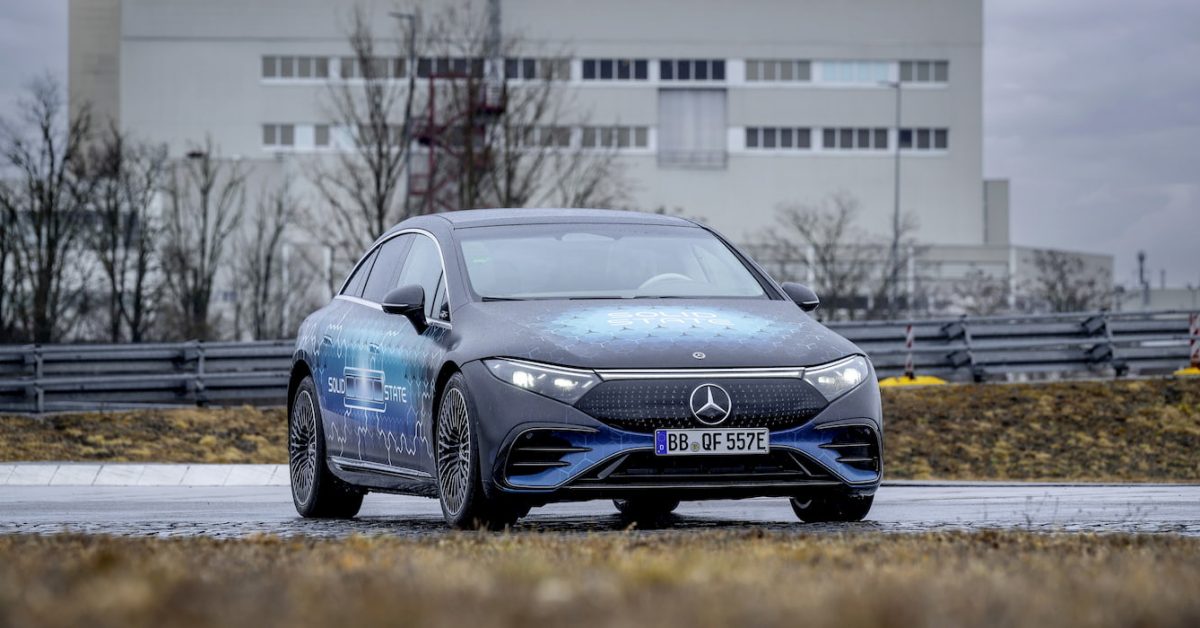
Mercedes-Benz Secures First Rights to ProLogium’s Gen4 Solid-State EV Battery Cells
Mercedes-Benz has obtained first rights to ProLogium's latest Gen4 solid-state EV battery cells,…
6h ago
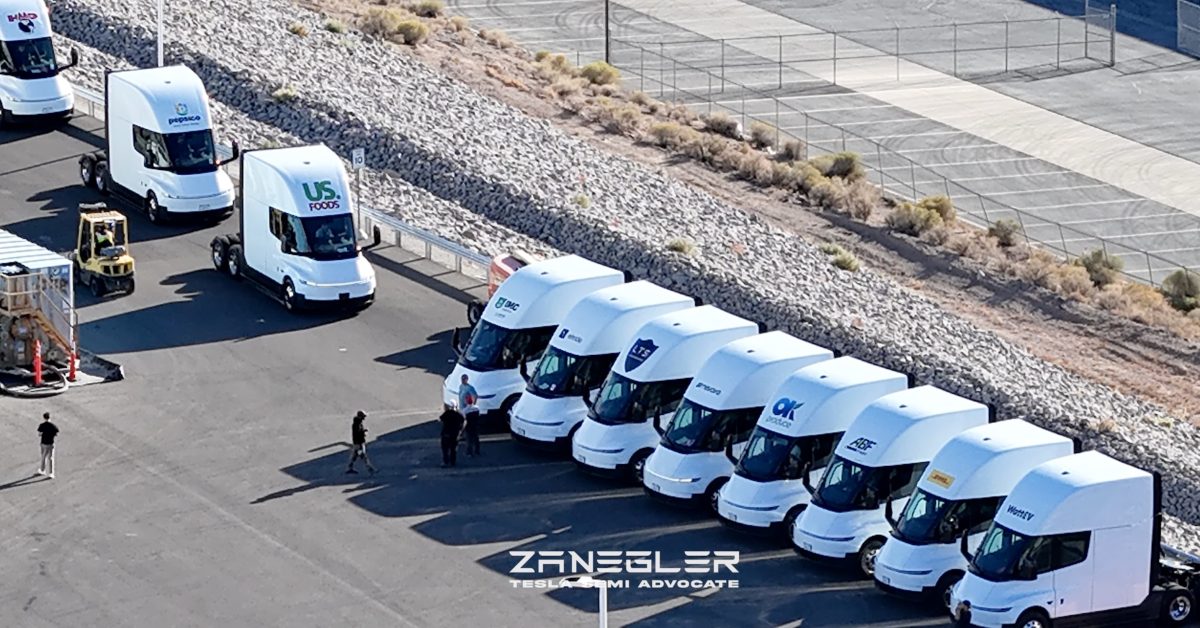
Tesla Semi Launch Event to Showcase Fleet Customers
Tesla is set to unveil its Semi electric trucks at a launch event, featuring at least 11 vehicles…
12h ago