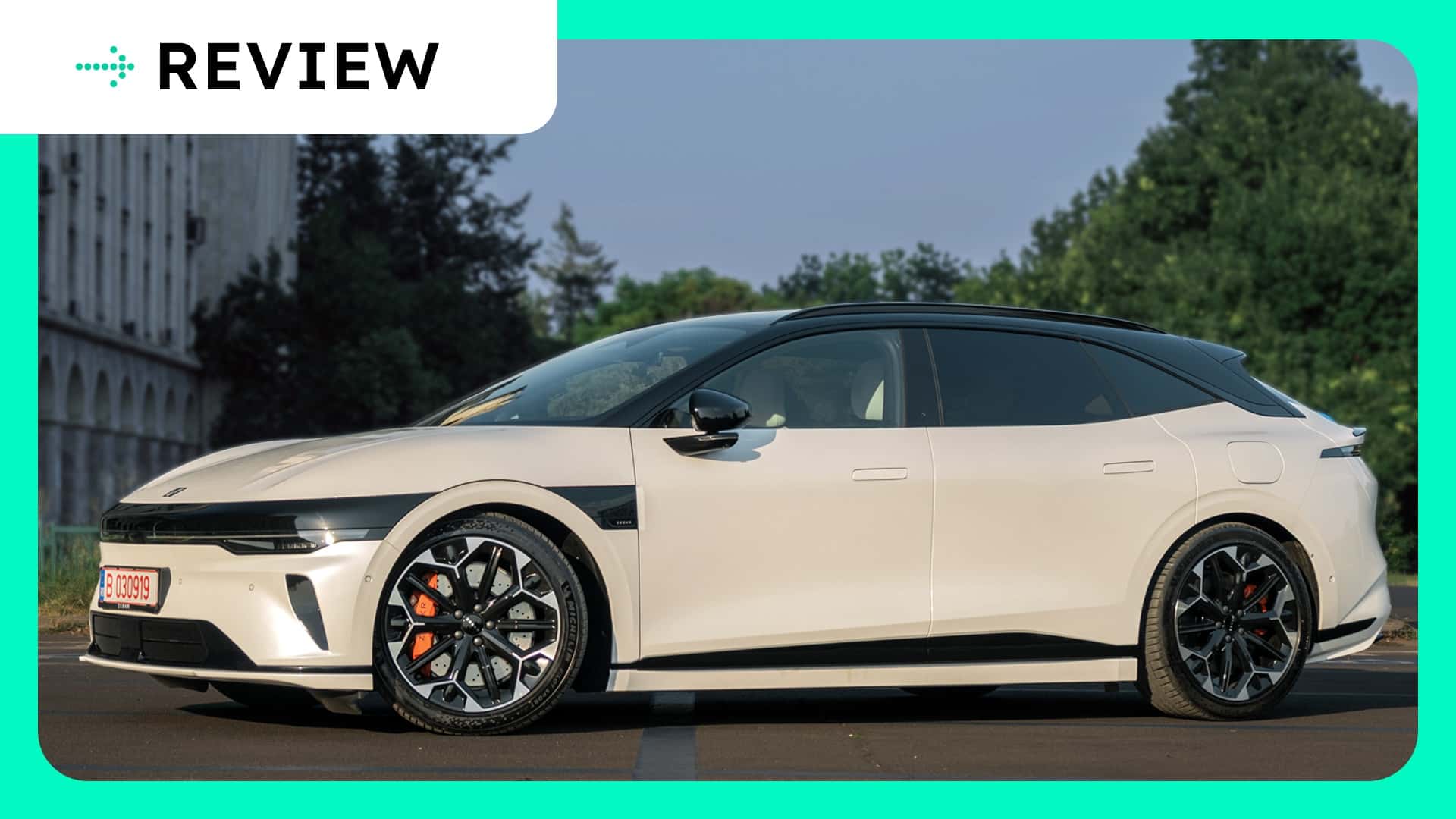
BYD Denza N9 EV Revealed with Heavy Weight Issue
BYD has unveiled its new luxury electric SUV, the Denza N9 EV, which weighs over 8,200 lbs (3,760 kg). This significant weight could impact performance, efficiency, and regulatory compliance. Potential buyers should consider how this weight affects day-to-day usability and ownership costs.

Key takeaways
30-second read- 1The heavy weight may lead to reduced efficiency and range, affecting daily usability.
- 2Higher weight can influence insurance costs and regulatory compliance for EVs.
- 3Potential buyers may need to assess their charging infrastructure and vehicle handling capabilities.
Confirmed
No official source linked yet
Reported
Secondary reporting: Electrek
Verify yourself
Eligibility, local prices and dates for your car, state or utility

BYD Denza N9 EV Revealed with Heavy Weight Issue
BYD has officially revealed its new luxury electric SUV, the Denza N9 EV, in a recent regulatory filing. The vehicle's weight is a notable concern, as it tips the scales at over 8,200 lbs (3,760 kg). This significant weight raises questions about the vehicle's performance, efficiency, and overall appeal to potential buyers.
What Changed?
The Denza N9 EV's unveiling highlights its impressive features, but the substantial weight is a critical factor that could affect its market reception. Weighing over 8,200 lbs places the Denza N9 in a category that may challenge its efficiency and handling characteristics. This weight is particularly noteworthy for an electric SUV, as it can impact range and performance metrics that buyers typically prioritize.
Why It Matters for Buyers/Owners
The weight of the Denza N9 EV can have several implications for buyers and owners:
- Efficiency and Range: Heavier vehicles often experience reduced efficiency, which can lead to shorter driving ranges. This is a crucial consideration for EV owners who rely on their vehicles for daily commutes and long trips.
- Insurance and Compliance: The weight of the vehicle may also influence insurance premiums and regulatory compliance, especially in regions with specific weight restrictions for electric vehicles.
- Handling and Usability: A heavier SUV may handle differently than lighter counterparts, which could affect the driving experience. Buyers should consider whether they are comfortable with the handling characteristics of a heavier vehicle.
Key Details from Source Material
According to Electrek, the Denza N9 EV's weight is its primary drawback, as it exceeds 8,200 lbs. While the vehicle may offer luxury features and advanced technology, the weight poses challenges that could deter potential buyers. The implications of this weight on performance and efficiency are yet to be fully assessed, but it is a significant factor in the vehicle's overall appeal.
What to Watch Next
As more information becomes available regarding the Denza N9 EV's performance metrics and real-world efficiency, potential buyers should stay informed. It will be essential to monitor reviews and user experiences to understand how the weight affects the vehicle's day-to-day usability. Additionally, any updates on regulatory considerations for heavier electric vehicles will be crucial for prospective owners.
Sources
1 media- [1]BYD’s new luxury electric SUV has one big problem: It weighs over 8,200 lbsMedia
Electrek · electrek.co · published Nov 4
Newsletter
Weekly EV signal. No spam.
Comments
Log in with
Loading comments…