
BYD Assumes Liability for Accidents Involving Its God’s Eye Driving System
Updated June 10, 2026
3 min read
1 linked source
BYD has announced that it will take full financial responsibility for at-fault accidents occurring while its God’s Eye urban driving system is active in China. This commitment stands in stark contrast to Tesla's approach with its Full Self-Driving feature, which does not include such liability coverage. The implications of this policy shift could significantly impact consumer confidence and insurance considerations in the EV market.
Share this story
Why it matters
- ✓BYD's liability coverage may enhance consumer trust in its autonomous driving technology, potentially influencing purchasing decisions.
- ✓This move could set a new precedent in the EV industry, prompting other manufacturers to reconsider their liability policies.
- ✓The absence of a cap on payouts could lead to more straightforward insurance processes for BYD vehicle owners.
Reporting notes
EV Signal briefs are written to explain the verified change first, then add the context EV buyers and owners need to understand cost, availability, charging access, eligibility, or ownership impact.
If details are still developing, we try to say what is confirmed, what comes from secondary reporting, and what readers should verify before acting.
Source mix
1 linked source
1 media
Reviewed from: Electrek.
BYD Assumes Liability for Accidents Involving Its God’s Eye Driving System
BYD has made a significant announcement regarding its God’s Eye urban driving system, stating that it will assume full financial liability for any at-fault accidents that occur while the system is active. This commitment is notable as it includes no cap on the payout, a stark contrast to Tesla's policy regarding its Full Self-Driving (FSD) feature, which does not offer similar liability coverage.
What Changed
The key change here is BYD's decision to take on complete financial responsibility for accidents involving its autonomous driving technology. This policy applies specifically to its God’s Eye system in China, where the technology is currently deployed. By accepting liability, BYD is effectively flipping the traditional liability model used in the automotive industry, where manufacturers typically do not take responsibility for accidents that occur while their autonomous systems are engaged.
Why It Matters for Buyers/Owners
-
Consumer Trust: By assuming liability, BYD may enhance consumer confidence in its autonomous driving technology. Buyers may feel more secure knowing that the company stands behind its product in the event of an accident.
-
Industry Precedent: This move could influence other manufacturers to reconsider their liability policies, potentially leading to a shift in how the industry approaches responsibility for autonomous driving systems.
-
Insurance Implications: The lack of a cap on payouts could simplify the insurance process for BYD vehicle owners, making it easier to navigate claims related to accidents involving the God’s Eye system.
Key Details from Source Material
According to Electrek, BYD's announcement marks a significant departure from Tesla's approach to its Full Self-Driving feature. Tesla has not made a similar commitment to assume liability for accidents that occur while its FSD is engaged. This difference could have far-reaching implications for how consumers perceive and choose between these two brands in the growing EV market.
The decision to accept liability without a payout cap is particularly noteworthy, as it suggests BYD's confidence in the safety and reliability of its technology. This could also lead to a competitive advantage in the market, as consumers may prefer a brand that takes responsibility for its products.
What to Watch Next
As this situation develops, it will be important to monitor how other automakers respond to BYD's announcement. Will competitors like Tesla or new entrants to the market follow suit and adjust their liability policies? Additionally, the impact of this policy on insurance rates and consumer behavior in China and potentially other markets will be worth observing.
In conclusion, BYD's commitment to assume liability for accidents involving its God’s Eye system could reshape consumer expectations and industry standards regarding autonomous driving technology. As the EV market continues to evolve, this policy could serve as a benchmark for future liability considerations across the industry.
Sources
These are the documents and reports used to build this brief so readers can verify the story directly.
Comments
Log in with
Loading comments…
More in Software
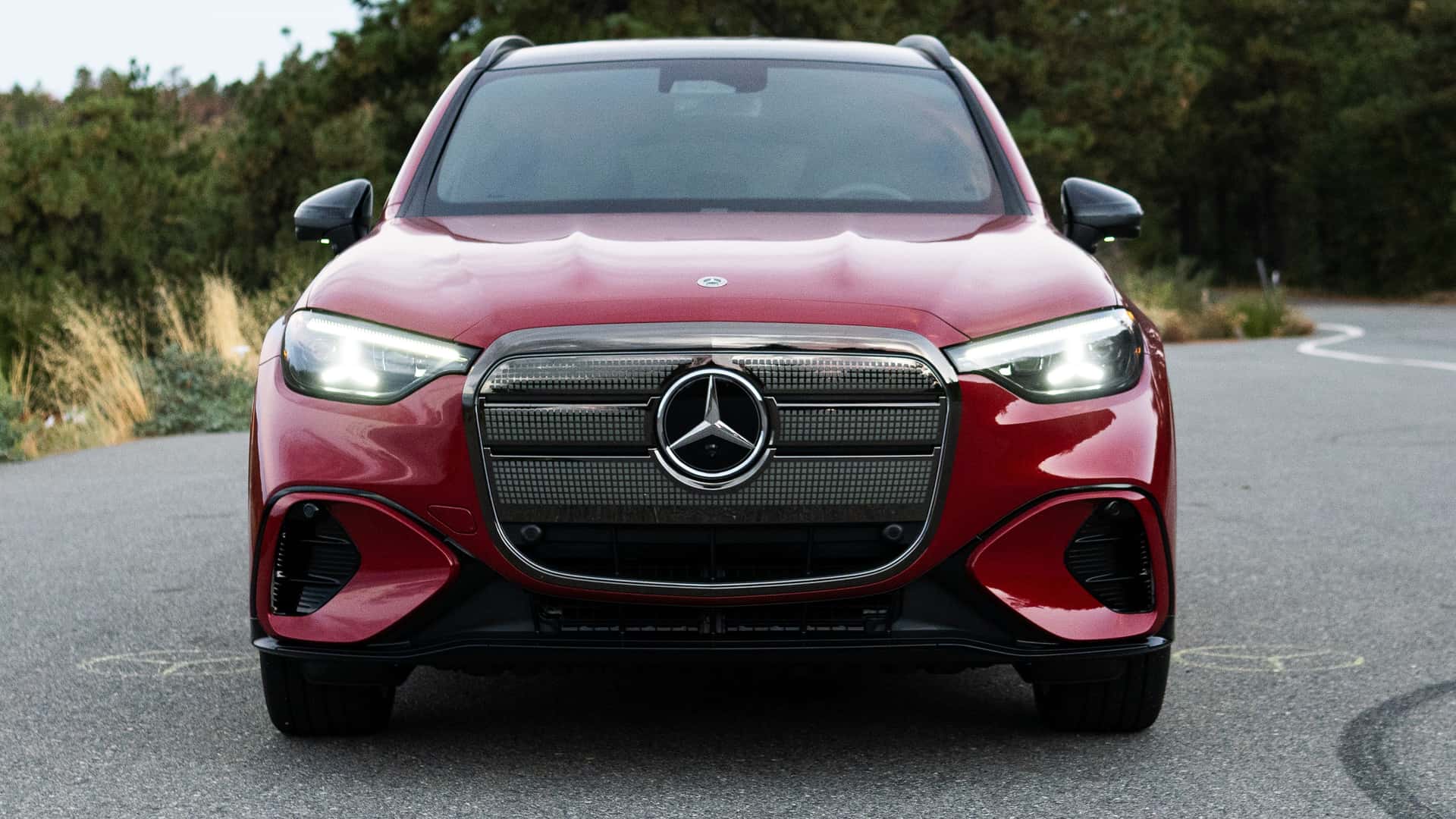
Mercedes Partners with Wayve for Advanced Driver Assistance System
Mercedes-Benz has announced a collaboration with Wayve to develop a driver assistance system…
1d ago
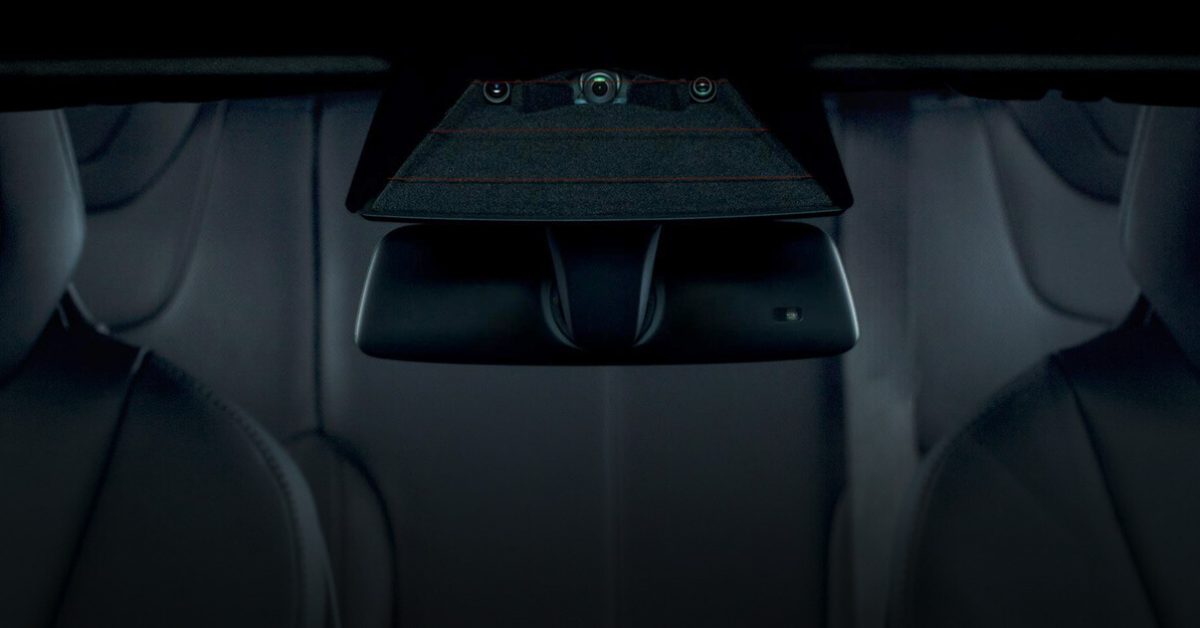
Tesla Full Self-Driving Update Issues False Camera Alerts
Tesla's latest Full Self-Driving update, version 14.3.9, is erroneously alerting owners that their…
1d ago
Mercedes-Benz Partners with Wayve for AI Driver Integration in Future Vehicles
Mercedes-Benz has finalized a production agreement with Wayve, a British self-driving startup, to…
1d ago
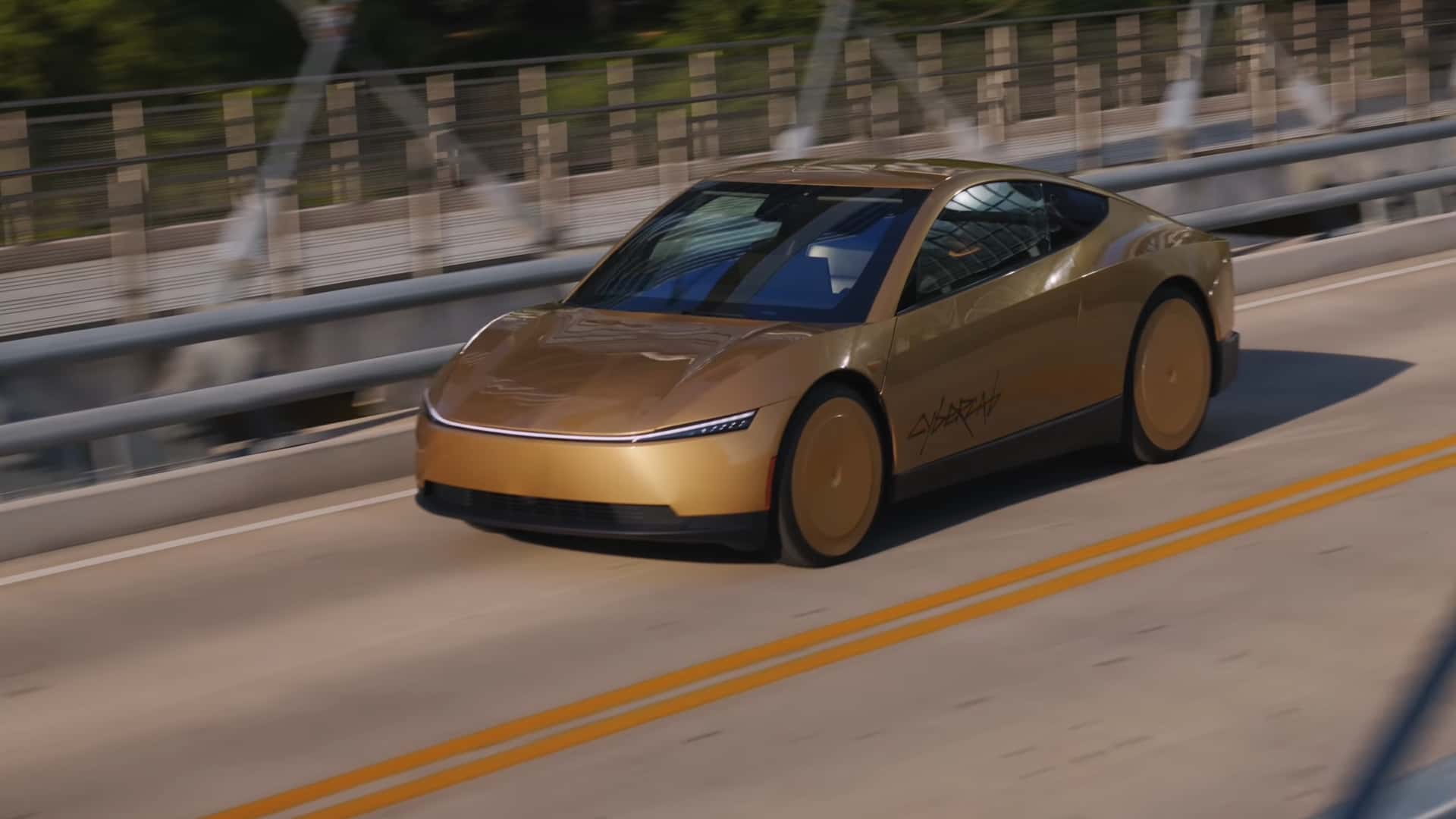
Tesla Cybercab Faces Navigation Issues Similar to Existing Tesla Models
Tesla's new Cybercab robotaxis are reportedly experiencing navigation problems, taking unusual…
2d ago