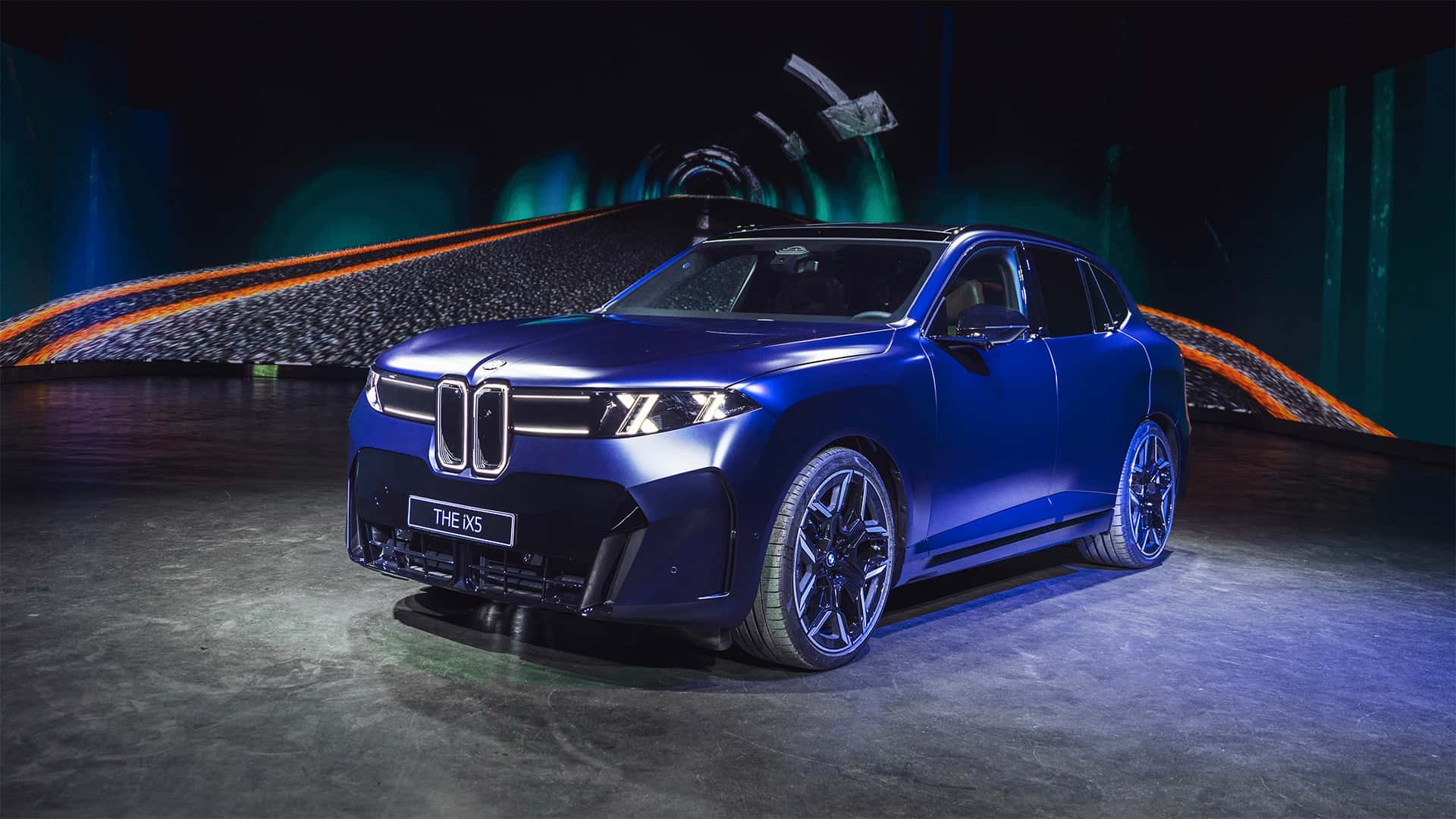
BMW's U.S. Sales Increase, But EV Performance Lags Behind
Updated July 12, 2026
3 min read
1 linked source
BMW experienced a 13% increase in U.S. sales during the second quarter, primarily driven by the growth of plug-in hybrid electric vehicles (PHEVs). However, the company's pure electric vehicles (EVs) are struggling to gain traction in the market. This mixed performance raises concerns about the future of BMW's EV offerings amidst growing competition.
Share this story
Why it matters
- ✓The struggle of BMW's EVs may indicate limited options for buyers looking for fully electric vehicles from the brand.
- ✓Potential buyers might find more appealing alternatives in the EV market, impacting their purchasing decisions.
- ✓The performance of BMW's EVs could affect resale values and ownership costs for current and future owners.
Reporting notes
EV Signal briefs are written to explain the verified change first, then add the context EV buyers and owners need to understand cost, availability, charging access, eligibility, or ownership impact.
If details are still developing, we try to say what is confirmed, what comes from secondary reporting, and what readers should verify before acting.
Source mix
1 linked source
1 media
Reviewed from: InsideEVs.
BMW's Sales Surge but EVs Face Challenges
BMW's U.S. sales saw a notable increase of 13% in the second quarter, a positive sign for the automaker amidst a competitive automotive market. However, this growth is not reflected in its electric vehicle (EV) segment, where pure EV sales are struggling to keep pace, raising concerns about the brand's position in the rapidly evolving EV landscape.
What Changed
According to a report from InsideEVs, while overall sales for BMW have risen significantly, the company's pure EVs are not performing as well as expected. The increase in sales is largely attributed to the growth of plug-in hybrid electric vehicles (PHEVs), which have gained popularity among consumers. This divergence in performance highlights a critical challenge for BMW as it seeks to establish itself as a leader in the electric vehicle market.
Why It Matters for Buyers and Owners
The struggles of BMW's EVs could have several implications for current and prospective buyers:
- Limited Options: With BMW's pure EVs not gaining traction, buyers looking for fully electric options may find fewer choices within the brand, potentially steering them towards competitors with more robust EV offerings.
- Impact on Resale Values: If BMW's EVs continue to underperform in sales, it could negatively affect their resale values, making them less attractive for current owners looking to sell or trade in their vehicles.
- Market Competition: The challenges faced by BMW's EVs could lead to increased competition in the EV market, as consumers may opt for brands that are more successful in the electric vehicle space.
Key Details from Source Material
The report from InsideEVs indicates that while BMW's overall sales have surged, the performance of its pure EVs is concerning. The growth in PHEVs suggests that consumers may still prefer hybrid options over fully electric vehicles, at least for the time being. This trend could reflect broader consumer preferences and market dynamics that BMW needs to address to enhance its EV strategy.
What to Watch Next
As the EV market continues to evolve, it will be important to monitor how BMW responds to these sales challenges. Key areas to watch include:
- Future EV Models: Any announcements regarding new EV models or updates to existing ones could provide insight into BMW's strategy for improving its electric vehicle offerings.
- Market Trends: Observing consumer preferences and trends in the EV market will be crucial to understanding the potential for BMW's EVs to gain traction in the future.
- Sales Data: Continued analysis of sales data in the upcoming quarters will help determine whether BMW can turn around its EV performance or if it will continue to lag behind competitors.
In summary, while BMW's overall sales are on the rise, the struggles of its pure EVs present significant challenges for the brand. As the market for electric vehicles grows, how BMW adapts to these challenges will be critical for its success in the EV segment.
Sources
These are the documents and reports used to build this brief so readers can verify the story directly.
- BMW's U.S. Sales Are Up. But Its EVs Are Struggling — InsideEVsMEDIA
Comments
Log in with
Loading comments…
More in Models & Pricing
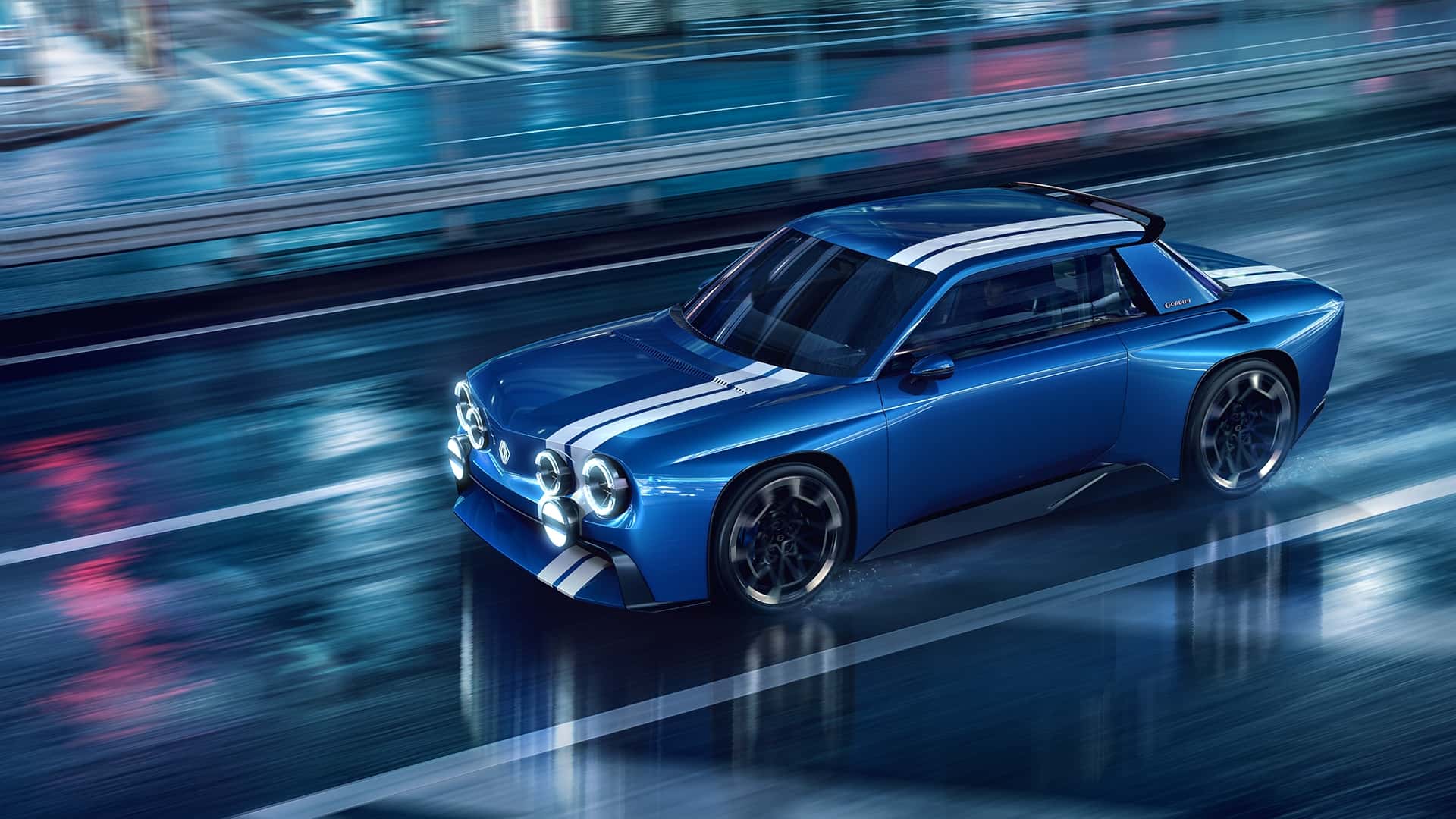
Renault 8 Gordini Returns as Rear-Wheel Drive EV
Renault has unveiled the return of the iconic Renault 8 Gordini as a rear-wheel drive electric…
Just now
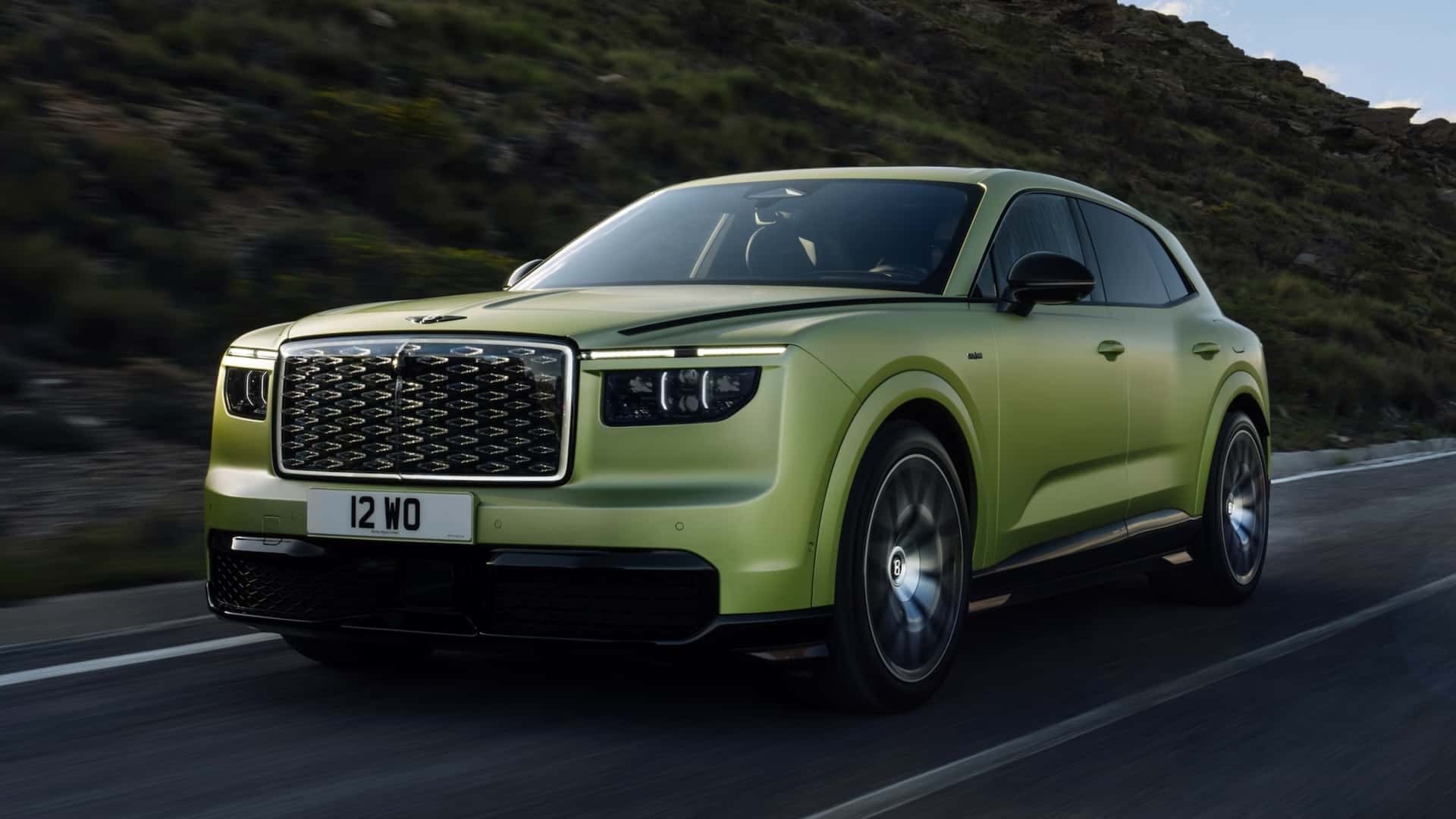
Bentley's First EV, the Torcal, Offers Rapid Charging Capabilities
Bentley has launched its first electric vehicle, the Torcal, a midsize SUV that boasts rapid…
12h ago
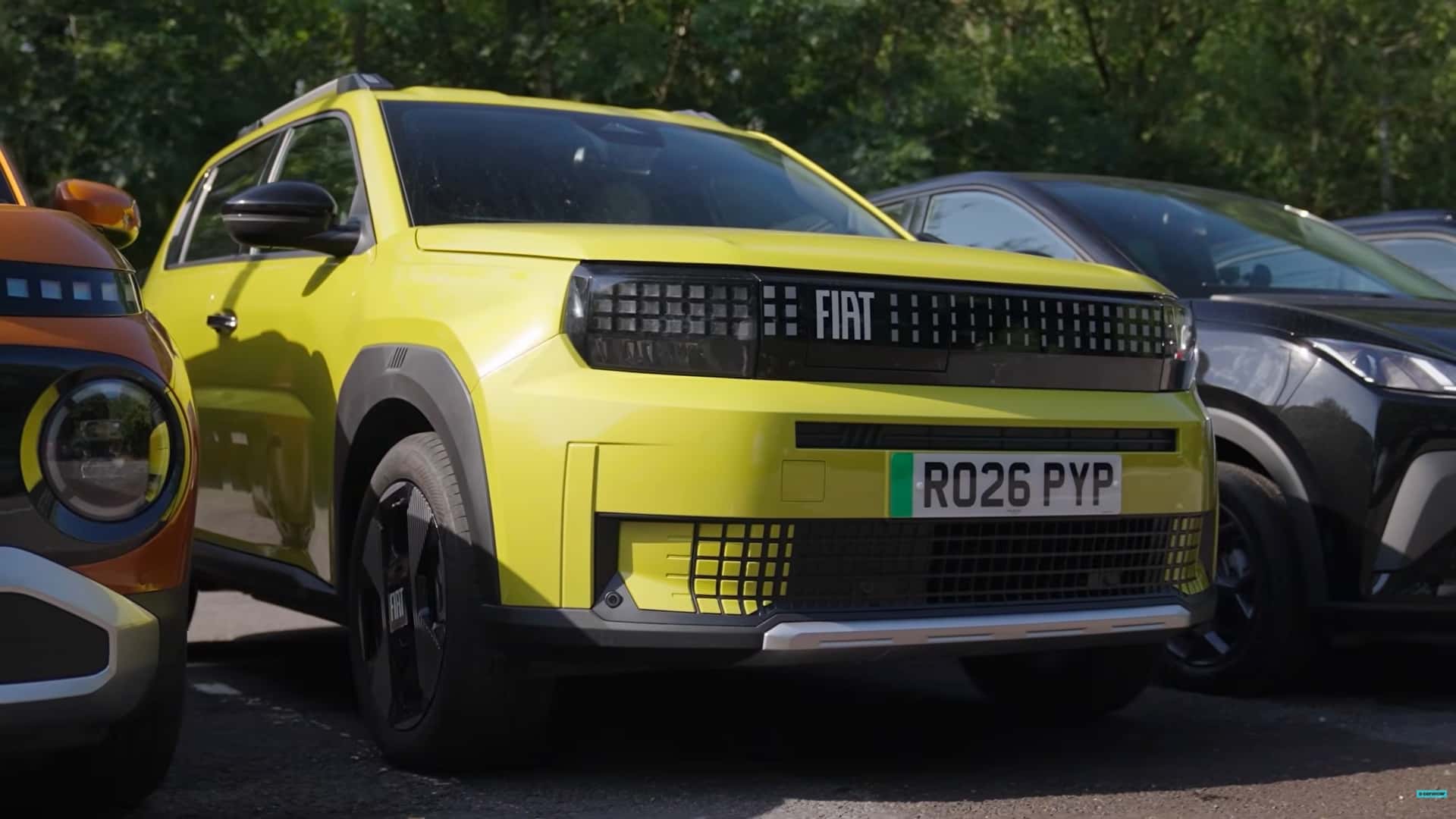
Fiat Grande Panda Outperforms Claimed Range in Real-World Test
In a recent highway range test, the Fiat Grande Panda exceeded its officially claimed range,…
12h ago
Bentley Launches Torcal, Its First All-Electric SUV
Bentley has officially unveiled the Torcal, marking its entry into the electric vehicle market.…
12h ago