BMW Group Tests Hydrogen Combustion Engine Truck in Logistics Operations
BMW Group has begun testing an 18-tonne truck powered by a hydrogen combustion engine at its Leipzig plant. This initiative aims to supply parts for plastic components production and vehicle assembly, significantly reducing CO2 emissions in logistics operations. The project is part of BMW's broader strategy to explore alternative technologies for sustainable transport.

Key takeaways
30-second read- 1This development may lead to reduced logistics costs, potentially lowering the overall price of vehicles for consumers.
- 2As BMW explores hydrogen technology, it could pave the way for more environmentally friendly transport solutions in the automotive industry.
- 3The success of hydrogen combustion engines could influence future EV infrastructure and fuel availability.
Confirmed
Official source: BMW Group Press
Reported
No secondary reporting linked
Verify yourself
Eligibility, local prices and dates for your car, state or utility
BMW Group Tests Hydrogen Combustion Engine Truck in Logistics Operations
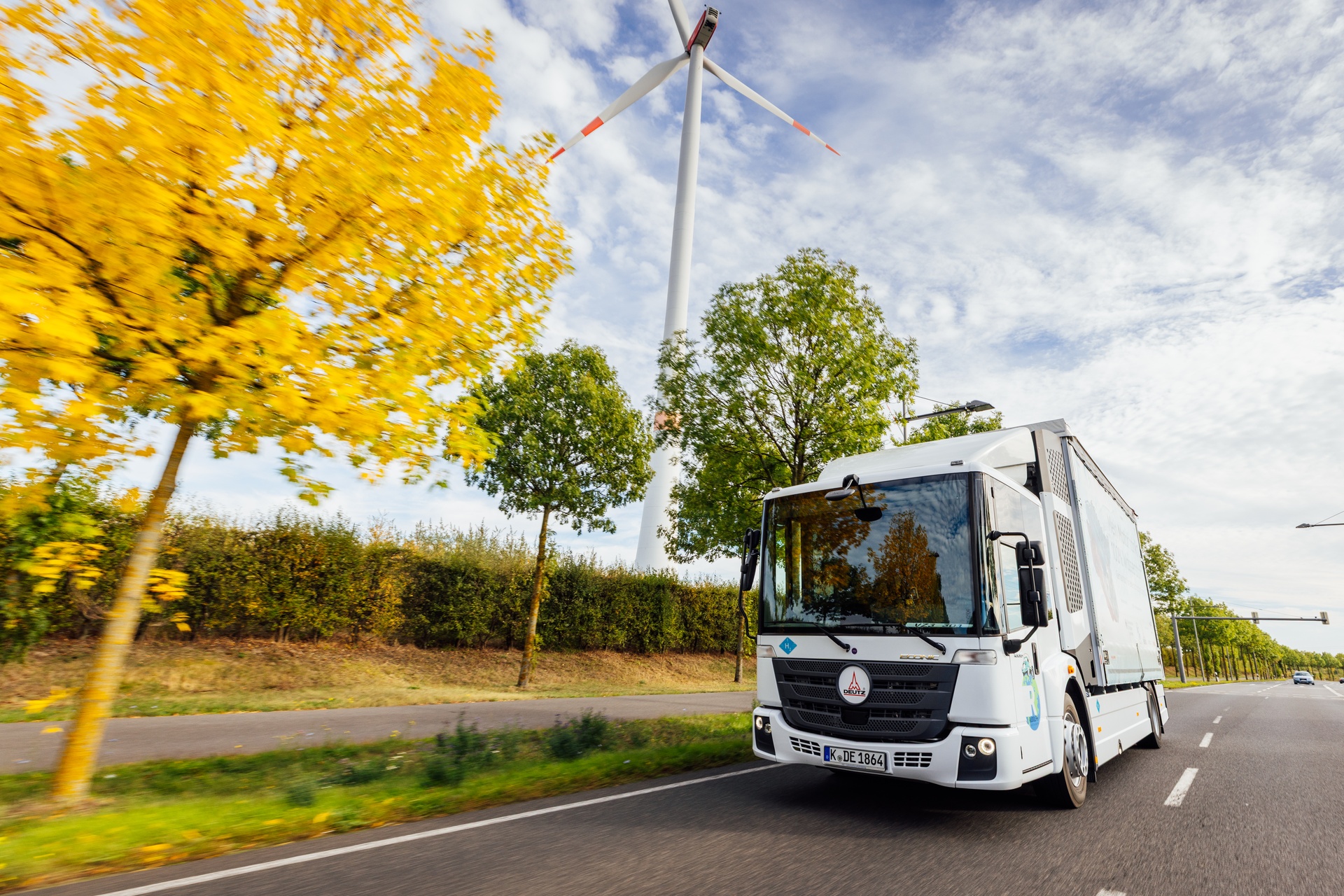
BMW Group is making strides in sustainable logistics by testing an 18-tonne truck equipped with a hydrogen combustion engine at its Leipzig plant. This innovative truck utilizes a piston engine based on diesel technology, where hydrogen is burned to produce water vapor and emit virtually no CO₂. This initiative marks a significant step in BMW's commitment to reducing the carbon footprint of its logistics operations.
What Changed
The introduction of the hydrogen combustion engine truck is a notable development in BMW's logistics strategy. Currently, the truck is being used to supply the Technology Exterior Components (TEK) division at the Leipzig plant with parts necessary for the production of plastic components, including bumpers and spoilers. In a subsequent phase, the truck will also deliver exterior components to the vehicle assembly line on a just-in-time basis. This testing phase is crucial for assessing the viability of hydrogen as a clean fuel alternative in logistics.
Why It Matters for Buyers and Owners
- Potential Cost Reductions: If successful, the use of hydrogen combustion engines in logistics could lead to lower transportation costs for BMW, which may eventually be passed on to consumers in the form of reduced vehicle prices.
- Environmental Impact: The shift towards hydrogen technology aligns with growing consumer demand for sustainable practices in the automotive industry. This could enhance the appeal of BMW vehicles among environmentally conscious buyers.
- Future Infrastructure Development: The success of hydrogen combustion technology could influence the development of hydrogen fueling infrastructure, making it more accessible for future hydrogen-powered vehicles.
Key Details from Source Material
According to the BMW Group press release, the hydrogen combustion engine truck is currently undergoing real-world testing at the Leipzig plant. The truck is designed to operate within the existing logistics framework, providing a practical application for hydrogen technology. The project is part of BMW's ongoing efforts to explore alternative technologies aimed at reducing CO2 emissions across its global transport activities.
The first phase of the project focuses on supplying parts for the production of plastic components, while the second phase will involve just-in-time deliveries to the assembly line. This dual-phase approach allows BMW to evaluate the performance and efficiency of the hydrogen combustion engine in different logistical contexts.
What to Watch Next
As the testing progresses, it will be important to monitor the outcomes of this initiative, particularly regarding its efficiency, cost-effectiveness, and environmental impact. Future announcements from BMW may provide insights into the feasibility of scaling this technology across other plants and logistics operations. Additionally, the automotive industry will be watching closely to see how this project influences broader trends in sustainable transport solutions.
In conclusion, BMW Group's deployment of a hydrogen combustion engine truck represents a significant step towards more sustainable logistics in the automotive sector. While the project is still in its testing phase, its implications for cost, environmental impact, and future infrastructure development could resonate with EV buyers and owners in the years to come.
Sources
1 official- [1]A PIONEER IN AUTOMOTIVE LOGISTICS: BMW GROUP DEPLOYS TRUCK WITH HYDROGEN COMBUSTION ENGINE IN LOGISTICSOfficial
BMW Group Press · newsroom.bmwgroup.com · published Oct 6
Newsletter
Weekly EV signal. No spam.
Comments
Log in with
Loading comments…