
BMW Group Tests Hydrogen Combustion Engine Truck in Logistics

Edited by Ionna Brakeley
Charging & Ownership
Updated October 6, 2026
3 min read
1 linked source
BMW Group has initiated field testing of a truck equipped with a hydrogen combustion engine at its Plant Leipzig. This marks the first use of such technology in German car production, aiming to enhance logistics operations. The deployment of hydrogen trucks is seen as a complement to electric trucks, particularly for just-in-time logistics.
Share this story
Why it matters
- ✓Hydrogen trucks could provide a more versatile option for logistics, especially for long-haul routes and multi-shift operations.
- ✓Short refueling times may improve operational efficiency, potentially lowering costs for logistics companies.
- ✓This development could influence the future availability of hydrogen-powered vehicles for consumers, impacting the EV market landscape.
BMW Group Tests Hydrogen Combustion Engine Truck in Logistics
BMW Group has taken a significant step in automotive logistics by deploying a truck with a hydrogen combustion engine at its Plant Leipzig. This initiative represents the first instance of such technology being utilized in German car production, according to the company's logistics head.
What Changed
The introduction of hydrogen combustion engine trucks into BMW's logistics operations signifies a shift towards more sustainable and efficient transportation methods. These trucks are designed to complement existing electric trucks, particularly in just-in-time logistics scenarios where timely deliveries are crucial. The hydrogen trucks are expected to offer advantages such as shorter refueling times and greater versatility, making them suitable for long-haul routes and multi-shift operations.
Why It Matters for Buyers and Owners
The deployment of hydrogen trucks by BMW Group could have several implications for EV buyers and owners:
- Versatility in Logistics: Hydrogen trucks may provide logistics companies with a more flexible transportation option, potentially leading to lower operational costs. This could influence the pricing and availability of hydrogen-powered vehicles in the consumer market.
- Operational Efficiency: With shorter refueling times compared to traditional electric charging, hydrogen trucks could enhance the efficiency of logistics operations, which may indirectly benefit consumers through improved delivery times and reduced costs.
- Future Market Impact: As BMW and other manufacturers explore hydrogen technology, it could pave the way for more hydrogen-powered vehicles, expanding options for consumers interested in sustainable transportation solutions.
Key Details from Source Material
According to the BMW Group press release, the hydrogen combustion engine trucks are viewed as a robust and scalable addition to the logistics fleet. The logistics head emphasized that this initiative is a pioneering effort in the automotive sector, aiming to improve the efficiency and sustainability of logistics operations. The potential for hydrogen trucks to operate effectively in multi-shift scenarios and long-haul routes highlights their role in the evolving landscape of automotive logistics.
What to Watch Next
As BMW Group continues its field testing of hydrogen combustion engine trucks, it will be important to monitor the outcomes of these trials. Key areas to watch include:
- Performance Metrics: How well do hydrogen trucks perform in real-world logistics scenarios compared to electric trucks?
- Market Response: Will other automotive manufacturers follow suit in adopting hydrogen technology for logistics?
- Consumer Availability: As hydrogen technology develops, what will be the timeline for consumer hydrogen-powered vehicles to enter the market?
In conclusion, BMW Group's deployment of hydrogen combustion engine trucks marks a noteworthy development in automotive logistics, with potential implications for the broader EV market. As the trials progress, the industry will be keenly observing the results and their impact on future vehicle offerings.
Sources
These are the documents and reports used to build this brief so readers can verify the story directly.
- A pioneer in automotive logistics: BMW Group deploys truck with hydrogen combustion engine in logistics — BMW Group PressOFFICIAL
Reporting notes
EV Signal briefs are written to explain the verified change first, then add the context EV buyers and owners need to understand cost, availability, charging access, eligibility, or ownership impact.
If details are still developing, we try to say what is confirmed, what comes from secondary reporting, and what readers should verify before acting.
Source mix
1 linked source
1 official
Reviewed from: BMW Group Press.
Comments
Log in with
Loading comments…
More in Ownership

TDK Launches New DC-Link Film Capacitors Rated for 135°C
TDK has introduced the B3272*A/G/T series of DC-link film capacitors, which can operate…
2h ago
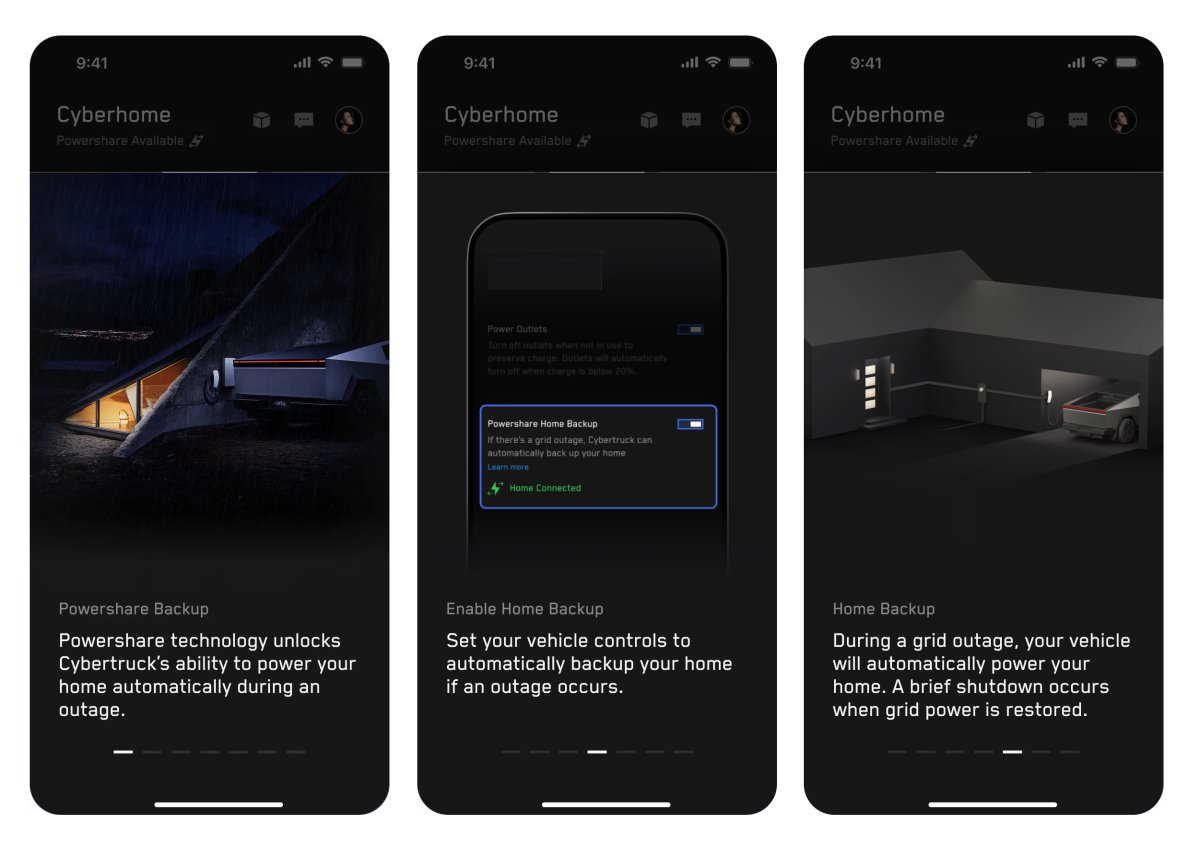
Tesla Launches Powershare Home Backup for Model 3 and Y
Tesla has introduced the Powershare Home Backup feature for its Model 3 and Model Y vehicles,…
2h ago
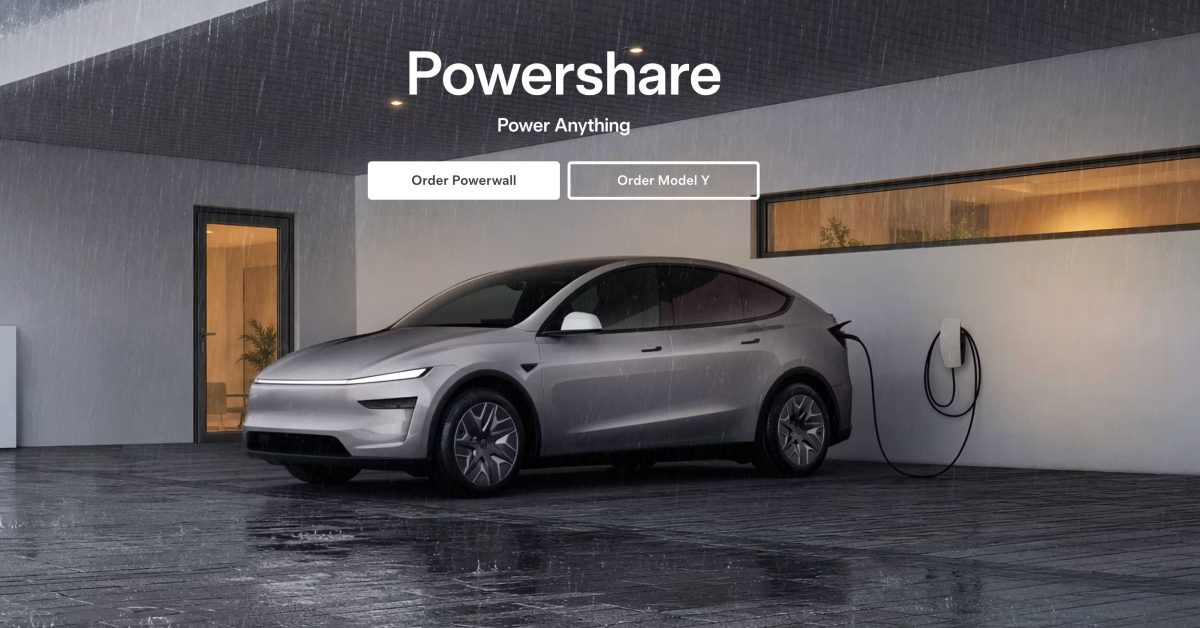
Tesla Model 3 and Model Y Gain Home Power Backup Capability
Tesla has activated the Powershare Home Backup feature for the Model 3 and Model Y, allowing these…
2h ago

Princeton NuEnergy to Recycle SK Battery America's Manufacturing Scrap
Princeton NuEnergy (PNE) has announced a plan to recycle battery manufacturing scrap from SK…
8h ago