BMW Group Reports 20% Drop in Global EV Sales Amid U.S. Market Decline
BMW Group has experienced a significant 20% decline in global electric vehicle (EV) sales, primarily driven by reduced demand in the U.S. and China markets. While the new iX3 model has seen success in Europe, it was unable to compensate for the downturn in these larger markets. This trend raises concerns about the overall health of BMW's EV strategy in key regions.

Key takeaways
30-second read- 1Potential price adjustments could occur as BMW seeks to stimulate demand in the U.S. and China.
- 2Availability of popular models may be affected, impacting consumer choice in the EV market.
- 3Charging infrastructure and support for existing owners could be influenced by the company's sales performance.
Confirmed
No official source linked yet
Reported
Secondary reporting: InsideEVs
Verify yourself
Eligibility, local prices and dates for your car, state or utility
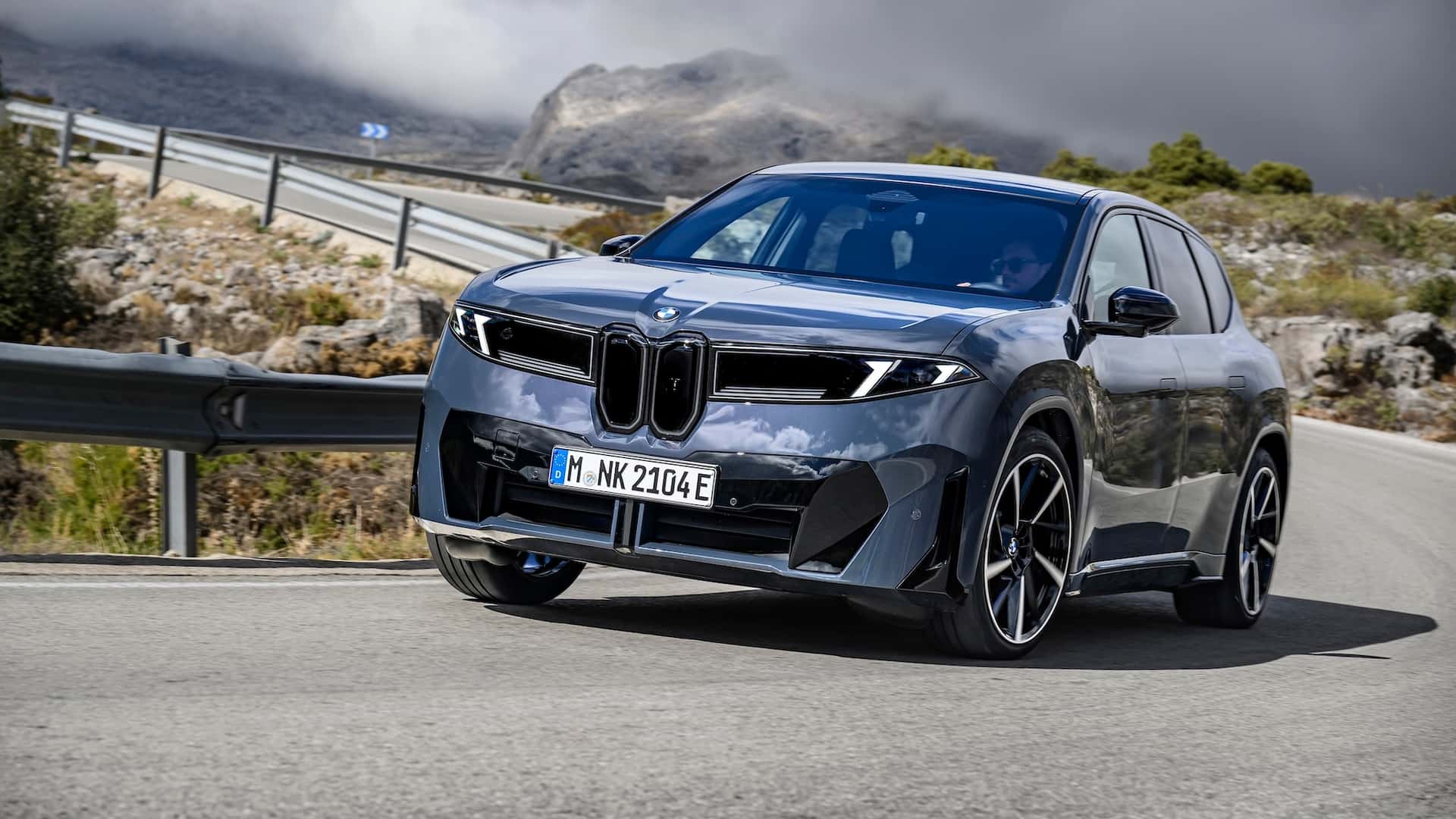
BMW Group's EV Sales Decline
BMW Group has reported a notable 20% decrease in its global electric vehicle (EV) sales, primarily attributed to a cooling market in the United States and significant declines in China. This downturn raises questions about the company's ability to maintain its growth trajectory in the increasingly competitive EV landscape.
What Changed
The decline in sales is particularly striking when considering the recent success of BMW's new iX3 model in Europe. Despite this positive reception, it was not sufficient to offset the substantial drops in sales recorded in both the U.S. and Chinese markets. The overall sales figures suggest a shift in consumer interest and market dynamics that may pose challenges for BMW moving forward.
Why It Matters for Buyers and Owners
- Price Adjustments: With sales declining, BMW may implement price changes or promotional offers to attract buyers in the U.S. and China, potentially benefiting consumers looking for deals on new EVs.
- Model Availability: The decrease in sales could impact the availability of certain models, including the iX3, which may become more limited if production is adjusted in response to market demand.
- Charging Infrastructure: As BMW navigates these sales challenges, the support for charging infrastructure and services for existing owners may also be affected, which is crucial for current EV owners.
Key Details from Source Material
According to InsideEVs, the iX3 has been a standout success in Europe, indicating that there is still strong demand for BMW's EV offerings in certain regions. However, the declines in the U.S. and China suggest that these markets are becoming increasingly challenging for the automaker. The report highlights that the overall performance in these key regions has overshadowed the positive reception of the iX3.
What to Watch Next
As BMW Group adapts to these market changes, it will be important to monitor their strategies for revitalizing sales in the U.S. and China. This includes potential adjustments in pricing, marketing strategies, and the introduction of new models. Additionally, keeping an eye on consumer sentiment and market trends will provide insights into how BMW's EV offerings may evolve in response to these challenges.
In conclusion, while BMW's iX3 model shows promise in Europe, the significant drop in global EV sales highlights the need for the company to address the cooling markets in the U.S. and China to ensure sustainable growth in the EV sector.
Sources
1 media- [1]BMW Group’s Global EV Sales Crater 20% As U.S. Market Cools OffMedia
InsideEVs · insideevs.com · published Apr 15
Newsletter
Weekly EV signal. No spam.
Comments
Log in with
Loading comments…


