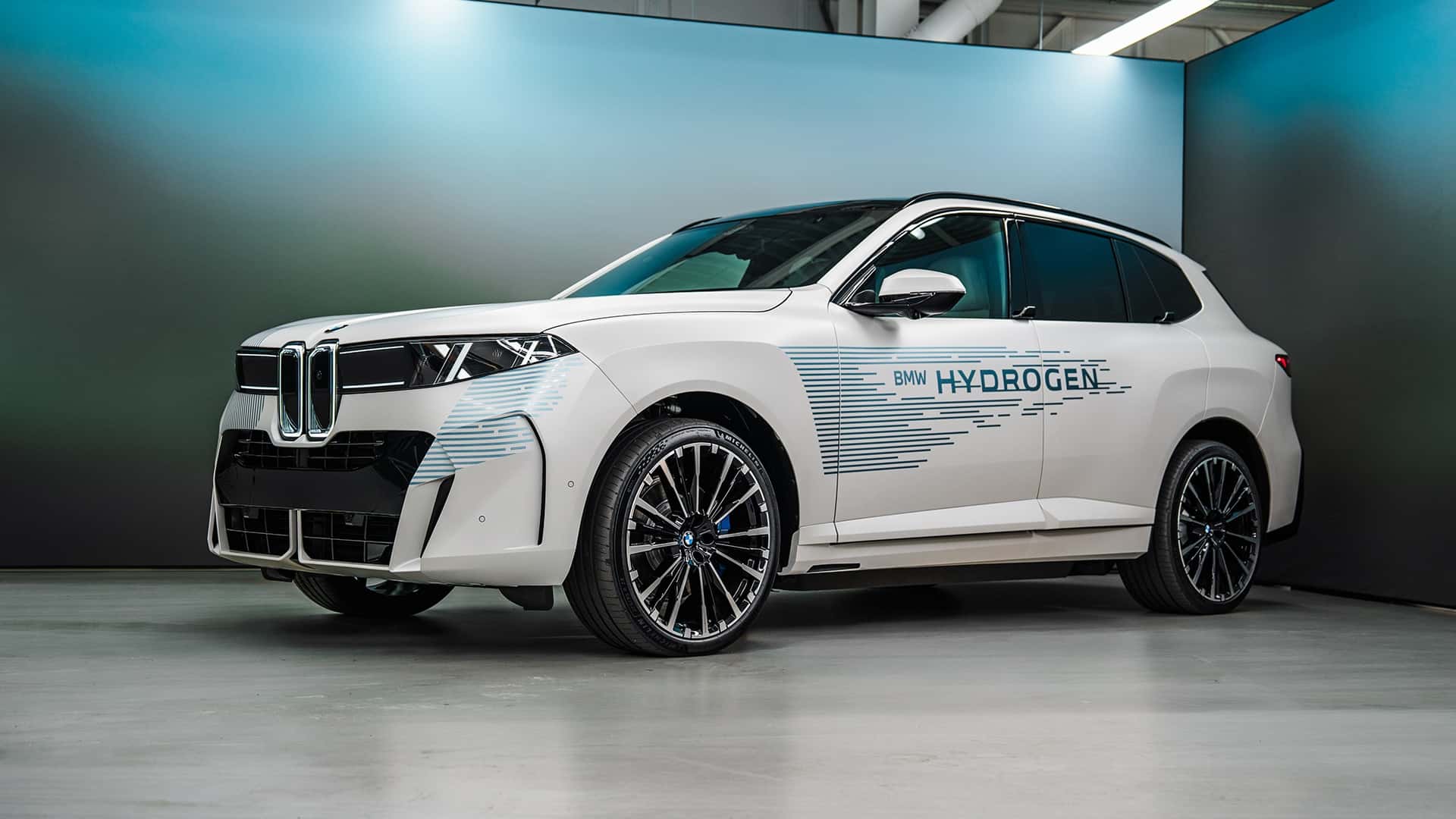
BMW Continues Development of Hydrogen-Powered Vehicles
Updated July 8, 2026
3 min read
1 linked source
BMW is reaffirming its commitment to hydrogen fuel-cell technology with the development of the new fuel-cell X5 SUV, despite previous setbacks in the hydrogen vehicle market. This decision may impact potential buyers interested in alternative fuel options, although the broader market acceptance of hydrogen vehicles remains uncertain.
Share this story
Why it matters
- ✓Potential buyers may have an alternative to battery electric vehicles (BEVs), depending on the success of hydrogen technology.
- ✓The development of hydrogen vehicles could influence the availability of charging infrastructure and fuel options in the future.
- ✓Hydrogen vehicles may offer different ownership costs and day-to-day usability compared to traditional electric vehicles.
Reporting notes
EV Signal briefs are written to explain the verified change first, then add the context EV buyers and owners need to understand cost, availability, charging access, eligibility, or ownership impact.
If details are still developing, we try to say what is confirmed, what comes from secondary reporting, and what readers should verify before acting.
Source mix
1 linked source
1 media
Reviewed from: InsideEVs.
BMW's Commitment to Hydrogen Technology
BMW is not backing down from its pursuit of hydrogen fuel-cell technology, as evidenced by its ongoing development of the hydrogen-powered X5 SUV. This decision comes after years of challenges and skepticism surrounding hydrogen vehicles, but BMW sees potential in this alternative fuel source.
What Changed
The key change is BMW's renewed focus on hydrogen-powered vehicles, particularly with the introduction of the fuel-cell version of the X5 SUV. This model aims to leverage hydrogen as a clean energy source, positioning BMW as a contender in the alternative fuel market despite the historical difficulties faced by hydrogen cars.
Why It Matters for Buyers and Owners
For potential EV buyers, BMW's commitment to hydrogen technology could provide an additional option beyond battery electric vehicles. If successful, hydrogen vehicles may offer unique advantages, such as faster refueling times and longer ranges, which could appeal to consumers looking for alternatives to traditional EVs. However, the market acceptance of hydrogen vehicles remains uncertain, and the development of necessary refueling infrastructure is still in question.
Key Details from Source Material
According to InsideEVs, BMW's decision to continue developing hydrogen technology stems from its belief in the potential of fuel cells as a viable energy solution. The company has faced criticism and skepticism regarding the practicality of hydrogen vehicles, but it remains optimistic about the future of this technology. The hydrogen-powered X5 SUV is part of BMW's broader strategy to diversify its vehicle offerings and explore various sustainable energy sources.
What to Watch Next
As BMW progresses with the development of the hydrogen X5, it will be important to monitor the company's plans for production timelines and market availability. Additionally, the success of hydrogen vehicles will depend on the establishment of refueling infrastructure and consumer acceptance. Future announcements from BMW regarding partnerships or advancements in hydrogen technology will also be crucial in determining the viability of this initiative in the automotive market.
Sources
These are the documents and reports used to build this brief so readers can verify the story directly.
- Why BMW Isn't Giving Up On Hydrogen Cars — InsideEVsMEDIA
Comments
Log in with
Loading comments…
More in Models & Pricing
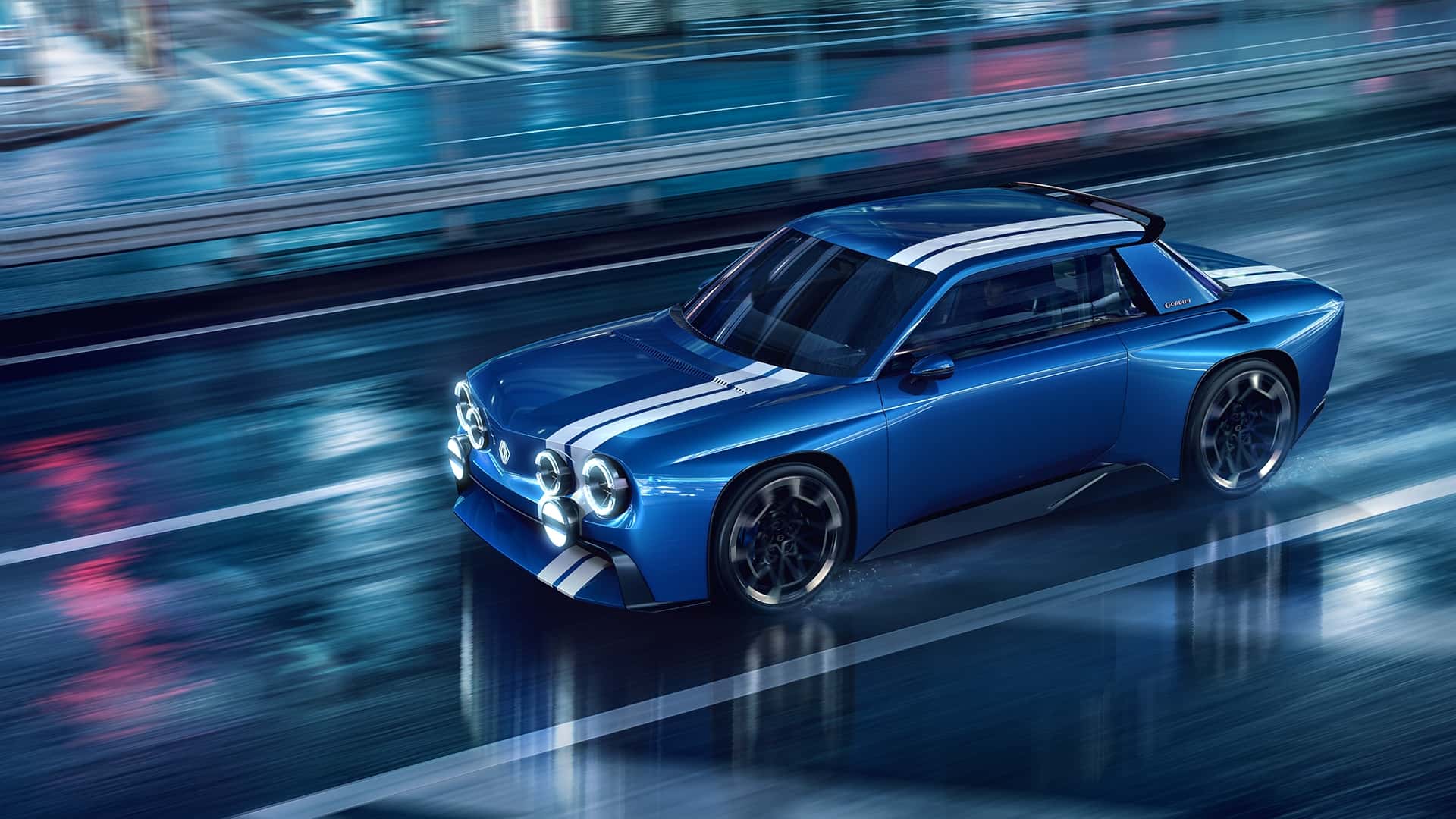
Renault 8 Gordini Returns as Rear-Wheel Drive EV
Renault has unveiled the return of the iconic Renault 8 Gordini as a rear-wheel drive electric…
Just now
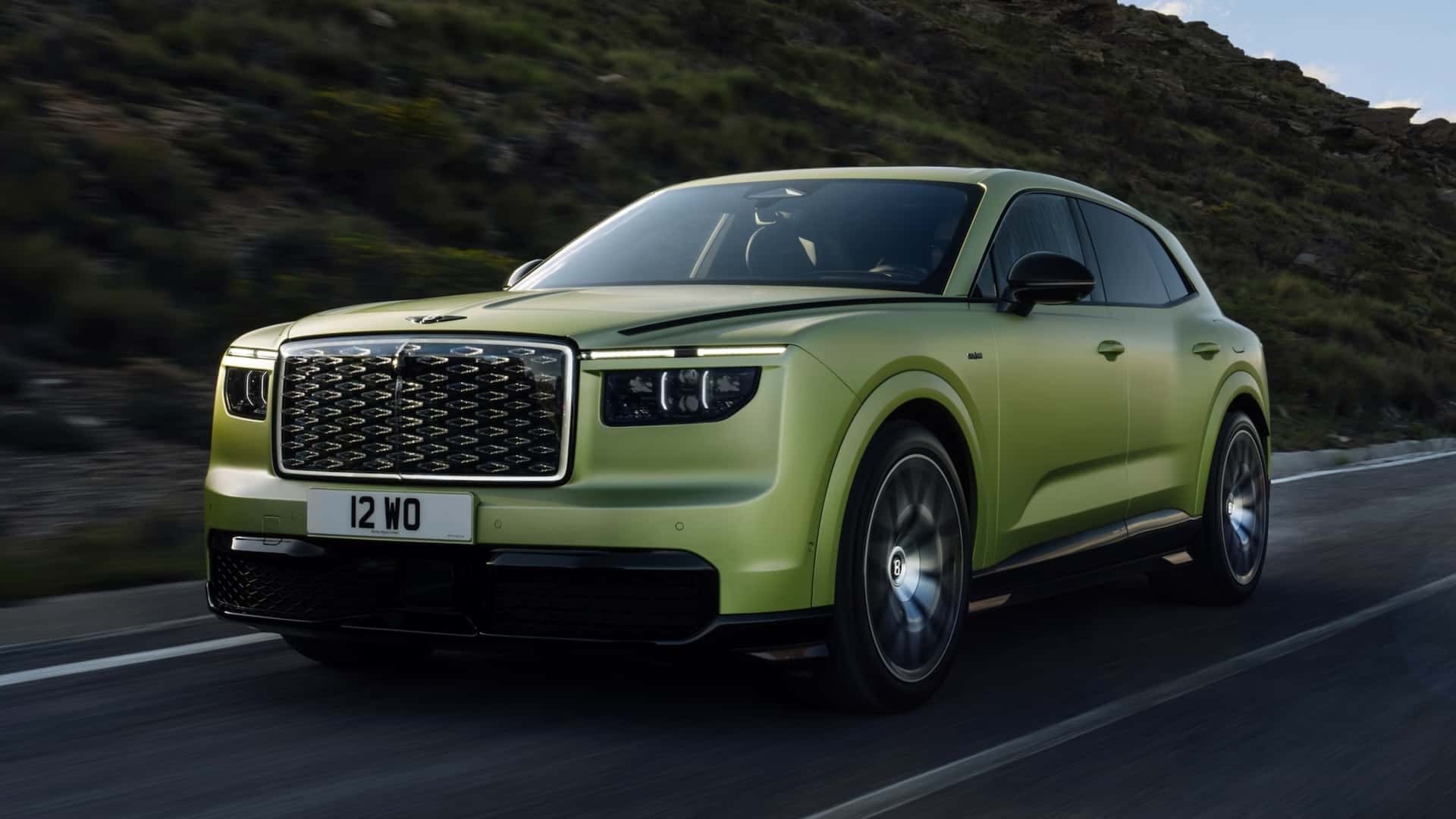
Bentley's First EV, the Torcal, Offers Rapid Charging Capabilities
Bentley has launched its first electric vehicle, the Torcal, a midsize SUV that boasts rapid…
12h ago
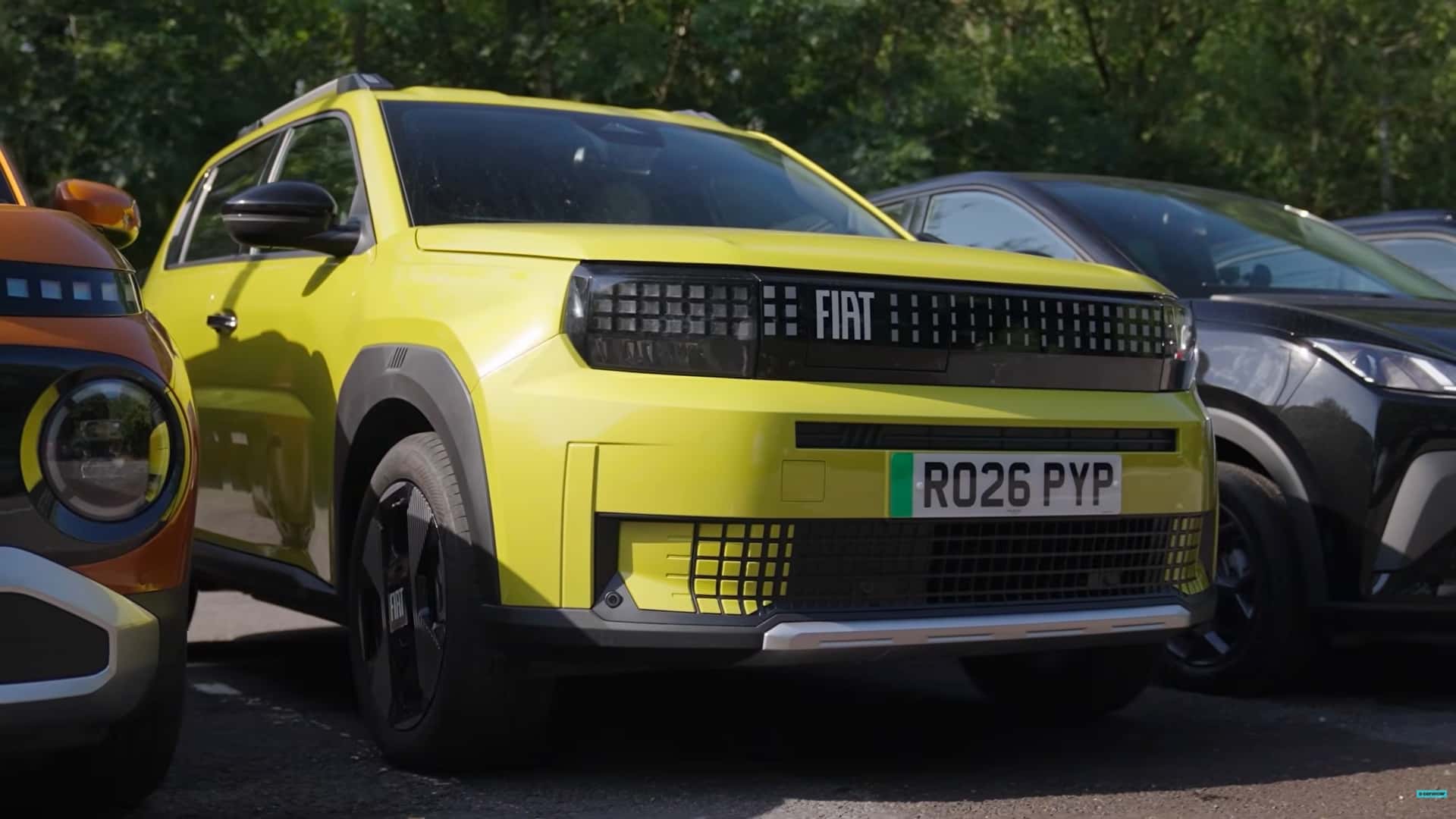
Fiat Grande Panda Outperforms Claimed Range in Real-World Test
In a recent highway range test, the Fiat Grande Panda exceeded its officially claimed range,…
12h ago
Bentley Launches Torcal, Its First All-Electric SUV
Bentley has officially unveiled the Torcal, marking its entry into the electric vehicle market.…
12h ago