BMW Adopts LFP Batteries for New EVs
BMW will incorporate lithium iron phosphate (LFP) batteries in selected Neue Klasse EVs, which may lead to lower prices for these models. While the exact models and launch dates remain unconfirmed, this shift aims to attract budget-conscious buyers. However, the company has not guaranteed that reduced battery costs will directly translate to lower retail prices.

Key takeaways
30-second read- 1Lower battery costs could lead to more affordable BMW EV options, appealing to budget-conscious consumers.
- 2The introduction of LFP batteries may result in models with less range, which could affect buyer decisions based on range needs.
- 3BMW's strategy may influence competition, prompting other automakers to offer similar budget-friendly options.
Confirmed
No official source linked yet
Reported
Secondary reporting: InsideEVs
Verify yourself
Eligibility, local prices and dates for your car, state or utility
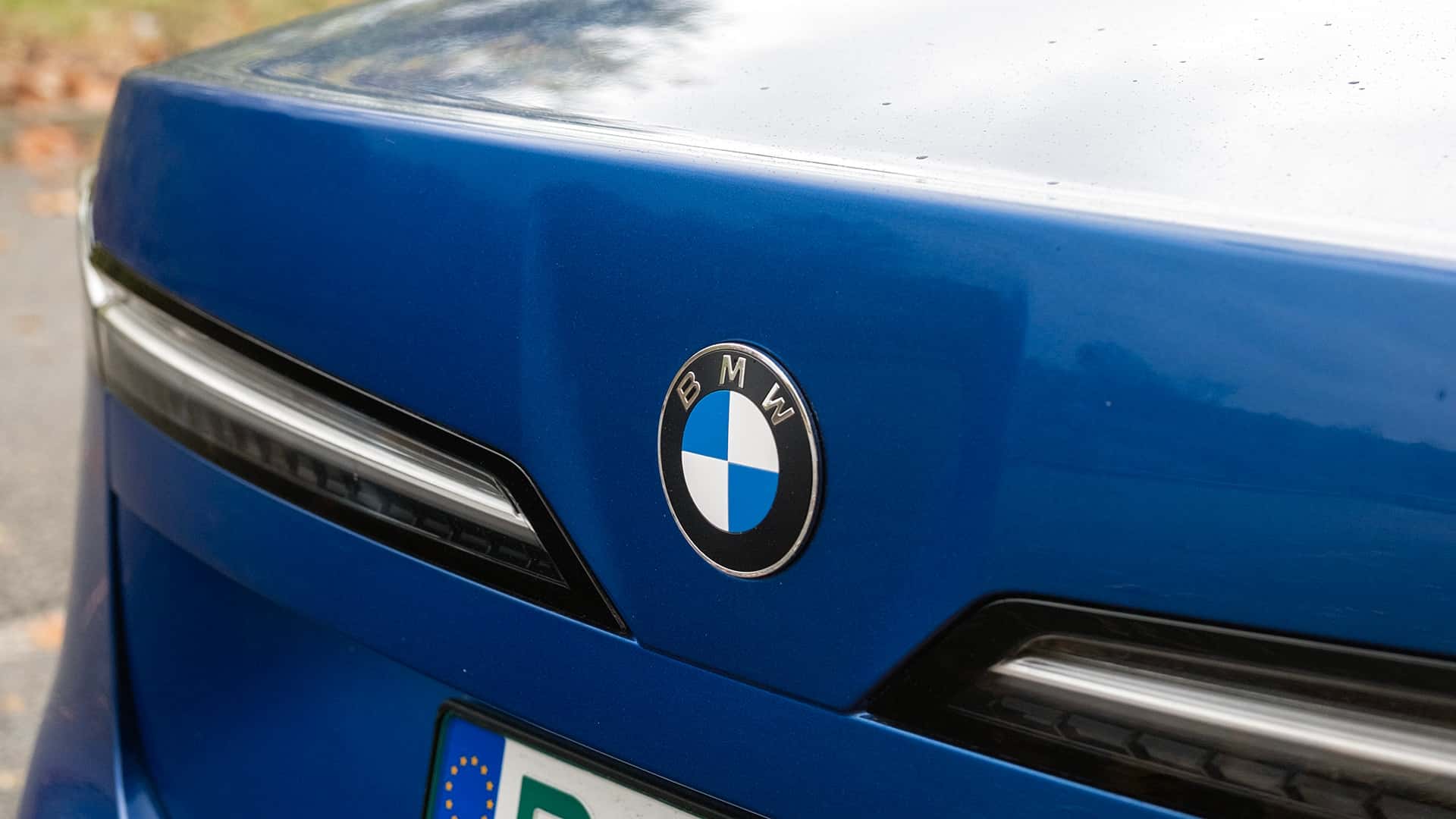
BMW is set to incorporate lithium iron phosphate (LFP) batteries into selected models of its upcoming Neue Klasse electric vehicles (EVs), which could lead to lower prices for consumers. CEO Milan Nedeljkovic confirmed this strategy during the company's third-quarter earnings call, indicating that LFP batteries offer a cost-effective alternative, although they generally provide lower energy density compared to the nickel-manganese-cobalt (NMC) cells currently used in most of their EVs.
The LFP batteries are expected to be utilized in models targeting budget-conscious buyers, particularly the compact Neue Klasse EV scheduled for 2028. While the specific models that will feature LFP technology have not been disclosed, the strategy mirrors that of competitors like Mercedes, which offers both higher-range NMC options and entry-level variants with LFP packs.
In China, BMW has already introduced the iX3 30L, which uses a 77-kWh LFP battery and has a claimed range of 391 miles. This model serves as a benchmark for how BMW might structure its offerings in other markets. The company is also expanding its battery sourcing partnerships, including agreements with Samsung SDI and LG Energy Solution, to enhance its supply chain.
While the use of LFP batteries could help lower costs, BMW's premium brand status suggests that even these more affordable models may still carry higher price tags compared to mainstream competitors. The implications for EV buyers are significant, as this shift could increase the variety of options available, allowing consumers to choose between price and range based on their individual needs.
Sources
1 media- [1]BMW Is Embracing Cheaper LFP Batteries For Its Newest EVsMedia
InsideEVs · insideevs.com · published Nov 9
Newsletter
Weekly EV signal. No spam.
Comments
Log in with
Loading comments…