Big Oil Companies Enter the Electricity Market for EV Charging

Edited by Ionna Brakeley
Charging & Ownership
Updated October 16, 2026
3 min read
1 linked source
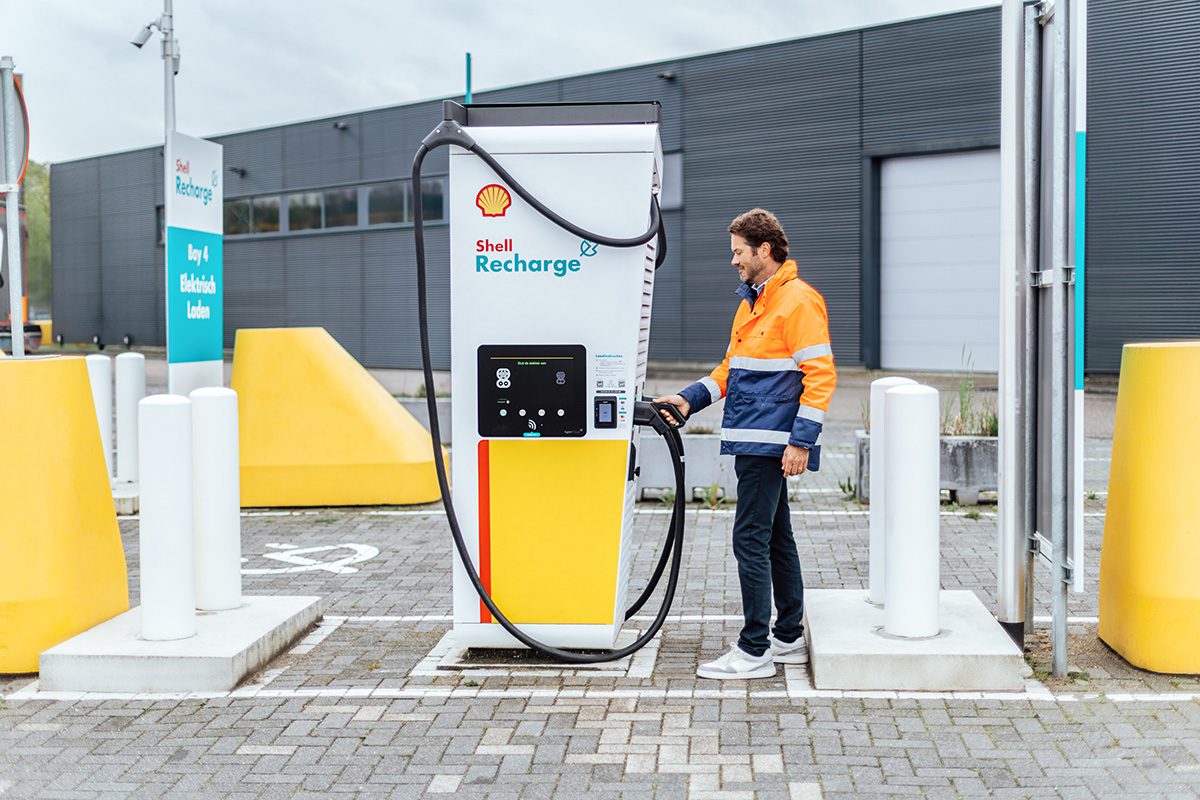
Major oil companies are increasingly investing in electric vehicle (EV) charging infrastructure, with many already owning charging stations. This shift affects EV owners and buyers by expanding charging options, but it raises questions about the implications for pricing and service quality. While many consumers may not realize they are charging at stations owned by oil giants, this trend reflects a significant change in the energy landscape.
Share this story
Why it matters
- ✓Increased availability of charging stations may provide more convenient options for EV owners.
- ✓Potential competition among oil companies could influence pricing strategies for charging services.
- ✓The involvement of oil companies in the EV market may affect perceptions of sustainability and energy transition.
Big Oil Companies Enter the Electricity Market for EV Charging
Major oil companies are making significant strides into the electric vehicle (EV) charging market, with many already owning and operating charging stations. This shift is noteworthy as it reflects a broader trend of traditional energy companies adapting to the growing demand for electric mobility.
What Changed?
According to a report from Charged EVs, several major oil giants are not just involved in fossil fuels but are also investing in electricity sales and charging infrastructure for electric vehicles. This change means that consumers may be charging their EVs at stations owned by these oil companies without even realizing it. This development highlights a pivotal moment in the energy sector, where the lines between traditional oil and gas operations and renewable energy solutions are increasingly blurred.
Why It Matters for Buyers and Owners
The entry of big oil into the EV charging market has several implications for current and prospective EV owners:
- Increased Availability: With oil companies investing in charging infrastructure, EV owners may find more charging stations available, especially in areas where charging options were previously limited.
- Pricing Competition: The involvement of multiple players, including oil companies, could lead to competitive pricing strategies for charging services, potentially benefiting consumers.
- Perception of Sustainability: As oil companies expand into the EV market, there may be mixed reactions from consumers regarding the sustainability of charging at stations owned by traditional fossil fuel companies. This could influence consumer choices and brand loyalty.
Key Details from Source Material
The report emphasizes that many consumers are unaware that they are charging at stations owned by oil giants. This lack of awareness could change as more people become informed about the ownership of charging networks. The report does not specify which oil companies are involved or the extent of their investments in the charging infrastructure, leaving some details about the market landscape still unclear.
What to Watch Next
As this trend develops, it will be important to monitor how these oil companies position themselves in the EV market. Key areas to watch include:
- Pricing Models: How will the entry of oil companies affect charging prices, and will consumers see a benefit?
- Infrastructure Expansion: Will these companies invest in expanding their charging networks, and if so, where?
- Consumer Perception: How will consumer attitudes shift regarding charging at stations owned by traditional oil companies?
In conclusion, the growing involvement of big oil in the electricity market for EV charging represents a significant shift in the energy landscape. While it opens up new opportunities for EV owners, it also raises important questions about sustainability and the future of energy consumption.
Sources
These are the documents and reports used to build this brief so readers can verify the story directly.
- Who knew? Big Oil also sells electricity — Charged EVsMEDIA
Reporting notes
EV Signal briefs are written to explain the verified change first, then add the context EV buyers and owners need to understand cost, availability, charging access, eligibility, or ownership impact.
If details are still developing, we try to say what is confirmed, what comes from secondary reporting, and what readers should verify before acting.
Source mix
1 linked source
1 media
Reviewed from: Charged EVs.
Newsletter
Weekly EV signal. No spam.
Comments
Log in with
Loading comments…
More in Charging

GMG Achieves 1,000 Six-Minute Charge Cycles for G CELLS
Graphene Manufacturing Group (GMG) has announced that its G CELLS have successfully completed 1,000…
Just now

Swiss Startup Introduces Wireless Charging System for Electric Buses via Tires
A Swiss startup has developed a wireless charging system that allows electric buses to charge…
Just now

Osborne Expands EV Charging Infrastructure for Tesla, IONNA, and EVgo
Osborne's commercial construction business is actively involved in the installation of EV charging…
Just now
Wind Generation in ISO-NE Increases by 68% Compared to Last Year
In the first nine months of 2026, wind generation in ISO New England (ISO-NE) has seen a…
12h ago