BHP's 4,400 hp Wabtec FLXDrive Electric Locomotive Proves Operational Success
Updated August 25, 2026
3 min read
1 linked source
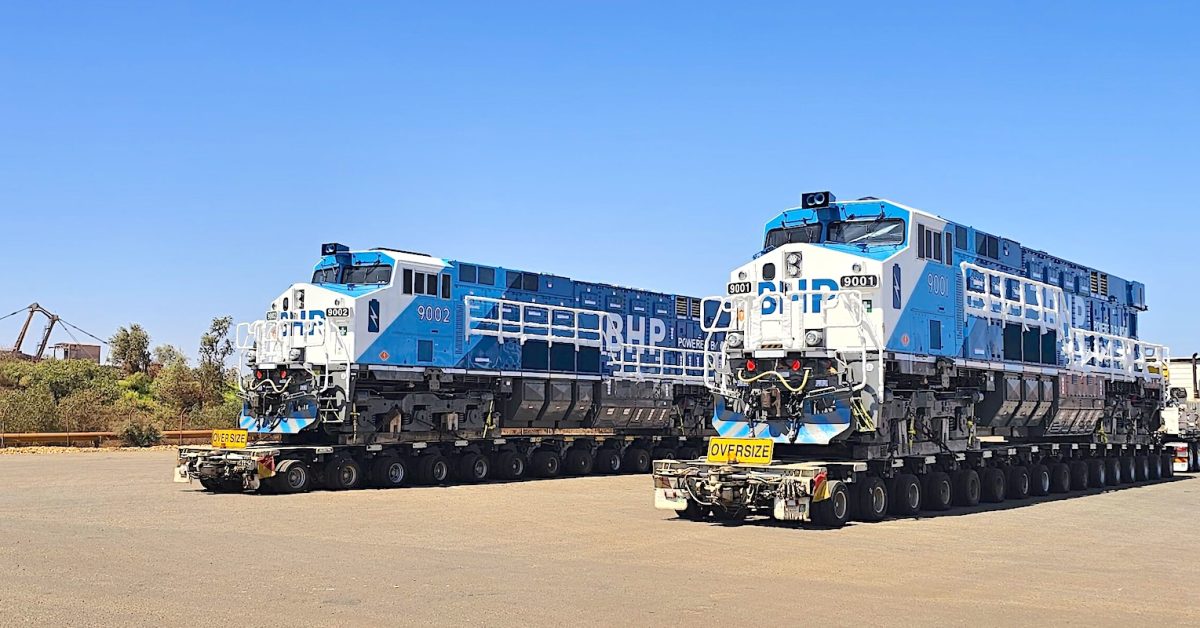
BHP has successfully operated the 4,400 hp Wabtec FLXDrive electric locomotive on a dedicated track line at the Jimblebar iron ore mine in Australia for nearly a year. This milestone indicates that battery-electric heavy-haul locomotives are ready for broader deployment in the mining sector, although their use may still be limited to specific applications for the time being.
Share this story
Why it matters
- ✓The successful operation of electric locomotives could lead to reduced operational costs for mining companies, potentially impacting the pricing of electric transport solutions.
- ✓As electric locomotives become more prevalent, this may encourage further investment in charging infrastructure, benefiting the broader EV market.
- ✓The transition to electric locomotives may also influence regulations and incentives for electric vehicles in other sectors, promoting a shift towards sustainable transportation.
Reporting notes
EV Signal briefs are written to explain the verified change first, then add the context EV buyers and owners need to understand cost, availability, charging access, eligibility, or ownership impact.
If details are still developing, we try to say what is confirmed, what comes from secondary reporting, and what readers should verify before acting.
Source mix
1 linked source
1 media
Reviewed from: Electrek.
BHP's Electric Locomotive: A New Era for Heavy-Haul Transport
BHP has marked a significant milestone in the transition to electric transport with the successful operation of the 4,400 hp Wabtec FLXDrive electric locomotive. After nearly a year of service on a dedicated track line at the Jimblebar iron ore mine in Australia, the locomotive has demonstrated its capabilities, suggesting that battery-electric heavy-haul locomotives are ready for broader application in the mining industry.
What Changed
The introduction of the Wabtec FLXDrive electric locomotive represents a pivotal shift in how heavy-haul transport can operate sustainably. This particular locomotive is powered entirely by batteries, showcasing the potential for electric solutions in sectors traditionally dominated by diesel-powered equipment. BHP's successful operation over the past year indicates a readiness for these electric locomotives to be deployed in real-world scenarios, particularly in resource extraction industries.
Why It Matters for Buyers and Owners
The implications of this development extend beyond the mining sector:
- Cost Efficiency: The operational success of electric locomotives like the FLXDrive could lead to lower operational costs for companies, which may eventually translate to more competitive pricing for electric transport solutions in various industries.
- Infrastructure Development: The success of electric locomotives may spur further investment in charging infrastructure, which is critical for the expansion of electric vehicles (EVs) across different sectors, including freight and public transport.
- Regulatory Influence: As electric locomotives gain traction, they may influence regulations and incentives for electric vehicles in other sectors, promoting a broader shift towards sustainable transportation solutions.
Key Details from Source Material
According to Electrek, BHP's year-long operation of the Wabtec FLXDrive electric locomotive at the Jimblebar mine has provided valuable insights into the performance and reliability of battery-electric heavy-haul transport. The locomotive's design focuses on efficiency and sustainability, aligning with global trends towards reducing carbon emissions in industrial operations. The successful deployment at a major mining site showcases the potential for electric locomotives to replace traditional diesel engines, particularly in heavy-duty applications.
What to Watch Next
While the operational success of the Wabtec FLXDrive is promising, it is essential to monitor how this technology will be adopted in other sectors beyond mining. Key areas to watch include:
- Expansion Plans: Will BHP or other companies expand the use of electric locomotives to additional sites or applications?
- Charging Infrastructure: How will the development of charging stations for electric locomotives evolve, and what impact will it have on the broader EV market?
- Regulatory Changes: Will the success of electric locomotives lead to new regulations or incentives that could affect the adoption of electric vehicles in other industries?
In conclusion, the operational success of the Wabtec FLXDrive electric locomotive is a significant step forward for sustainable transport in the mining sector. As the industry observes the outcomes of this initiative, it may pave the way for more extensive use of electric solutions in heavy-haul transport and beyond.
Sources
These are the documents and reports used to build this brief so readers can verify the story directly.
Comments
Log in with
Loading comments…
More in Ownership
Tesla's Lawyers Misled Witness in Racism Trial
Tesla's ongoing racism trial in California has faced significant setbacks as it was revealed that a…
19h ago

Rivian R2 Faces First Recall Due to Camera Issue
Rivian has issued a recall affecting nearly 99,000 vehicles, including some of its new R2 models,…
19h ago
BMW iX3 Outperforms Mercedes GLC and Volvo EX60 in Highway Efficiency Test
In a recent highway test, the BMW iX3 demonstrated superior energy efficiency and range compared to…
1d ago
PHEV Batteries Show Resilience Despite Frequent Cycling
Plug-in hybrid electric vehicles (PHEVs) experience more frequent battery cycling than fully…
1d ago