
Battery Electric Vehicles Surpass Traditional Powertrains in Germany
Updated July 17, 2026
3 min read
1 linked source
In June, battery electric vehicles (BEVs) became the most popular powertrain in Germany for the first time, marking a significant shift in the automotive landscape. This change affects consumers in Germany, as it indicates a growing acceptance and adoption of electric vehicles in the market. However, the long-term implications for infrastructure and pricing remain to be seen.
Share this story
Why it matters
- ✓Increased popularity of BEVs may lead to more competitive pricing and improved availability of electric vehicle models.
- ✓As BEVs gain market share, consumers can expect enhanced charging infrastructure and support from manufacturers.
- ✓This shift could influence government policies and incentives aimed at promoting electric vehicle adoption.
Reporting notes
EV Signal briefs are written to explain the verified change first, then add the context EV buyers and owners need to understand cost, availability, charging access, eligibility, or ownership impact.
If details are still developing, we try to say what is confirmed, what comes from secondary reporting, and what readers should verify before acting.
Source mix
1 linked source
1 media
Reviewed from: Electrek.
Battery Electric Vehicles Surpass Traditional Powertrains in Germany
For the first time in history, battery electric vehicles (BEVs) have emerged as the most popular powertrain in Germany, setting a new sales record in June 2026. This significant milestone reflects the evolving preferences of consumers in the country that is known as the birthplace of the automobile.
What Changed
In June 2026, sales data revealed that BEVs outpaced traditional internal combustion engine vehicles in Germany, marking a pivotal moment in the automotive industry. This shift indicates a growing acceptance and demand for electric vehicles among German consumers, who are increasingly opting for cleaner and more sustainable transportation options.
Why It Matters for Buyers/Owners
The rise of BEVs in Germany has several implications for current and prospective electric vehicle buyers and owners:
- Competitive Pricing and Availability: As BEVs gain popularity, manufacturers may respond by increasing production and offering a wider range of models, potentially leading to more competitive pricing in the market.
- Enhanced Charging Infrastructure: With the increase in BEV sales, there is likely to be a corresponding improvement in charging infrastructure, making it easier for owners to charge their vehicles and reducing range anxiety.
- Influence on Policies: The growing market share of BEVs may prompt government initiatives and incentives aimed at further promoting electric vehicle adoption, which could benefit consumers through rebates or tax credits.
Key Details from Source Material
According to Electrek, the shift in consumer preference towards BEVs is a clear indicator of the automotive industry's evolution in Germany. This change not only highlights the technological advancements in electric vehicles but also reflects a broader societal shift towards sustainability and environmental consciousness. The sales record achieved in June is a testament to the increasing confidence of consumers in electric mobility.
What to Watch Next
As this trend develops, it will be important to monitor several key factors:
- Market Response: How will traditional automakers respond to this shift? Will they accelerate their electric vehicle offerings or enhance their marketing strategies to compete?
- Government Policies: Will the German government introduce new incentives or support measures to further encourage electric vehicle adoption?
- Infrastructure Development: How quickly will charging infrastructure expand to meet the growing demand from BEV owners?
In conclusion, the rise of battery electric vehicles in Germany marks a significant turning point in the automotive industry, with implications for buyers, owners, and manufacturers alike. As the market continues to evolve, staying informed about these changes will be crucial for anyone involved in the electric vehicle space.
Sources
These are the documents and reports used to build this brief so readers can verify the story directly.
- In the birthplace of the automobile, electric cars are now king — ElectrekMEDIA
Comments
Log in with
Loading comments…
More in Buying
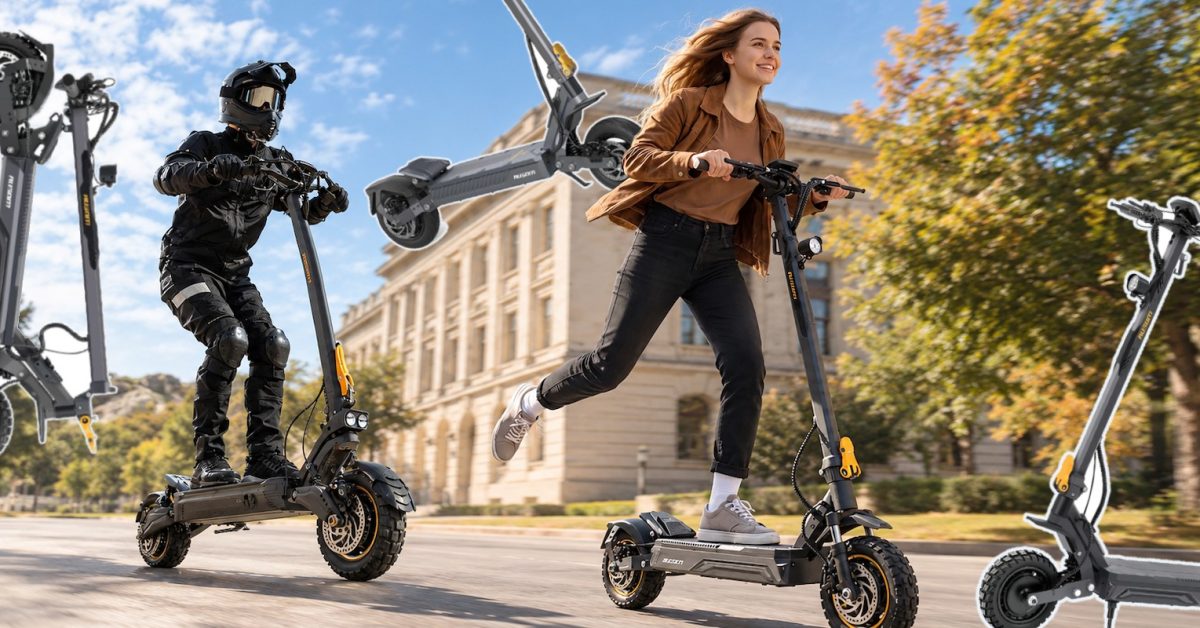
Ausom Launches Fall Sale on Electric Scooters
Ausom is holding a Fall Sale this month, offering discounts on its range of electric scooters,…
Just now
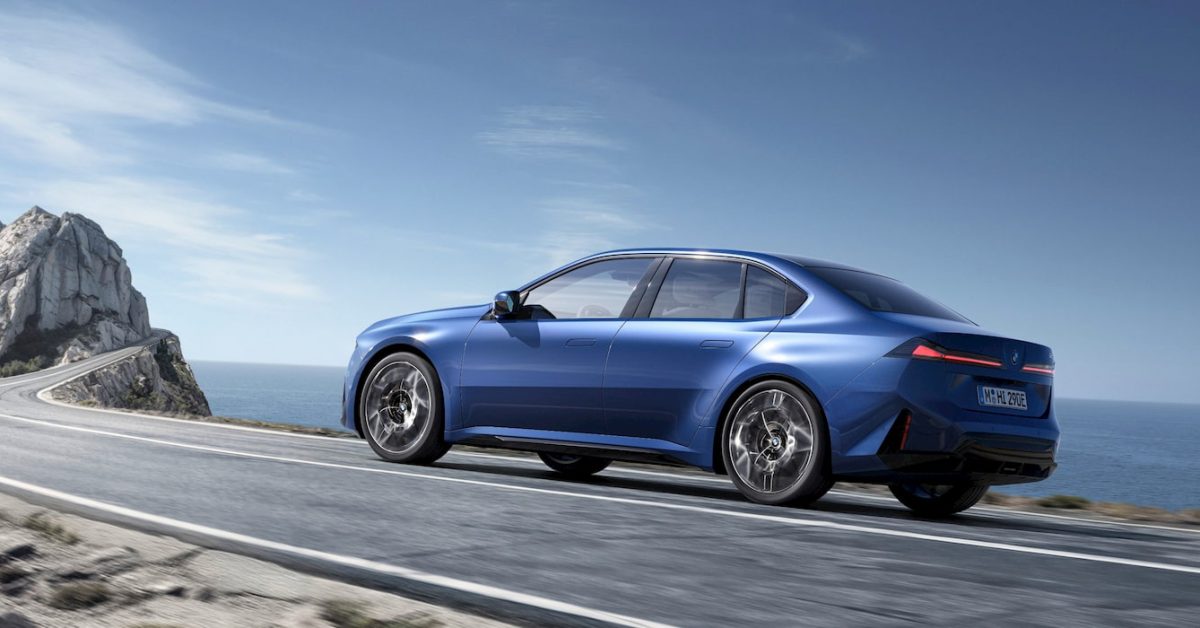
BMW Opens US Reservations for New i3 Ahead of Schedule
BMW has announced that it will open reservations for the new i3 in the United States earlier than…
12h ago
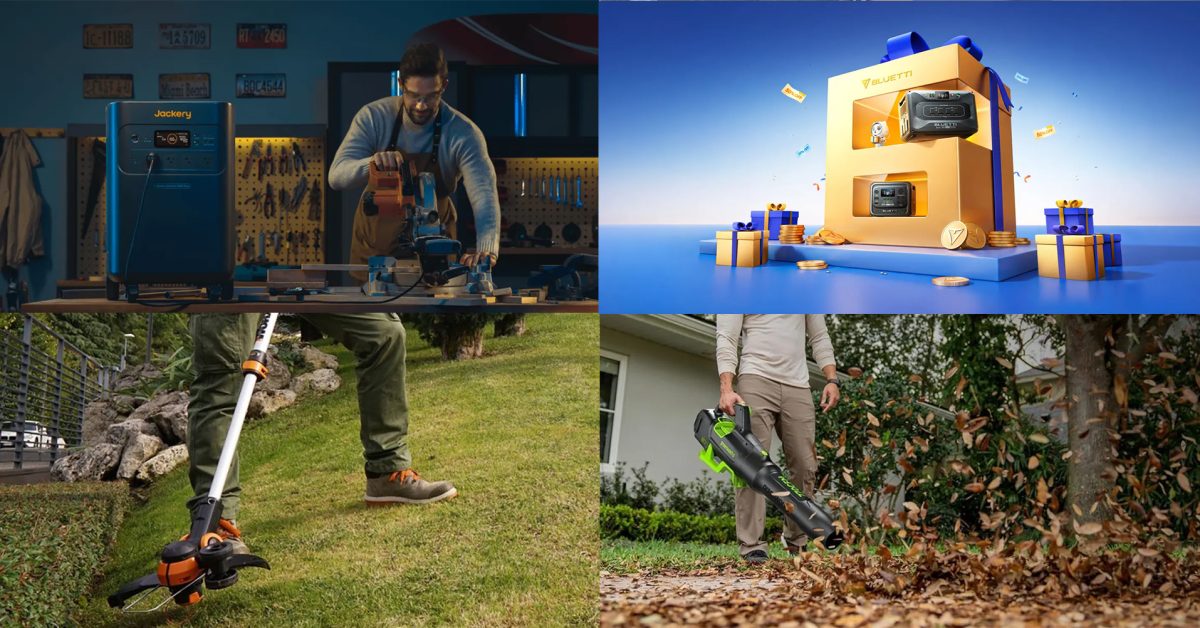
Jackery Explorer 5000 Plus Power Station Discounted by $1,000
The Jackery Explorer 5000 Plus Portable Power Station is now available for $1,499, reflecting a…
18h ago
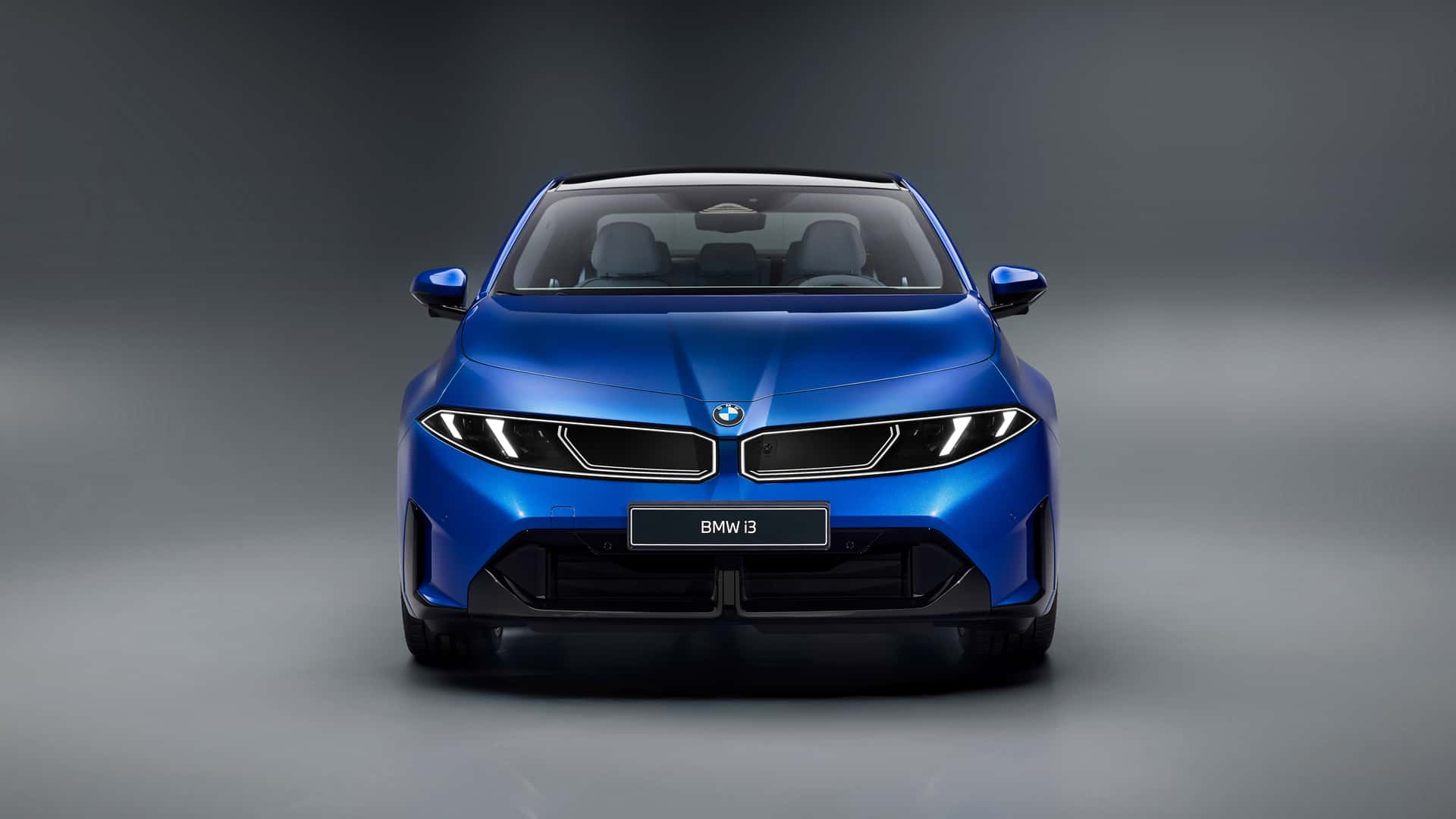
BMW i3 EV Reservations Open Early in the U.S.
BMW has announced that it will begin accepting reservations for the new i3 electric sedan ahead of…
1d ago