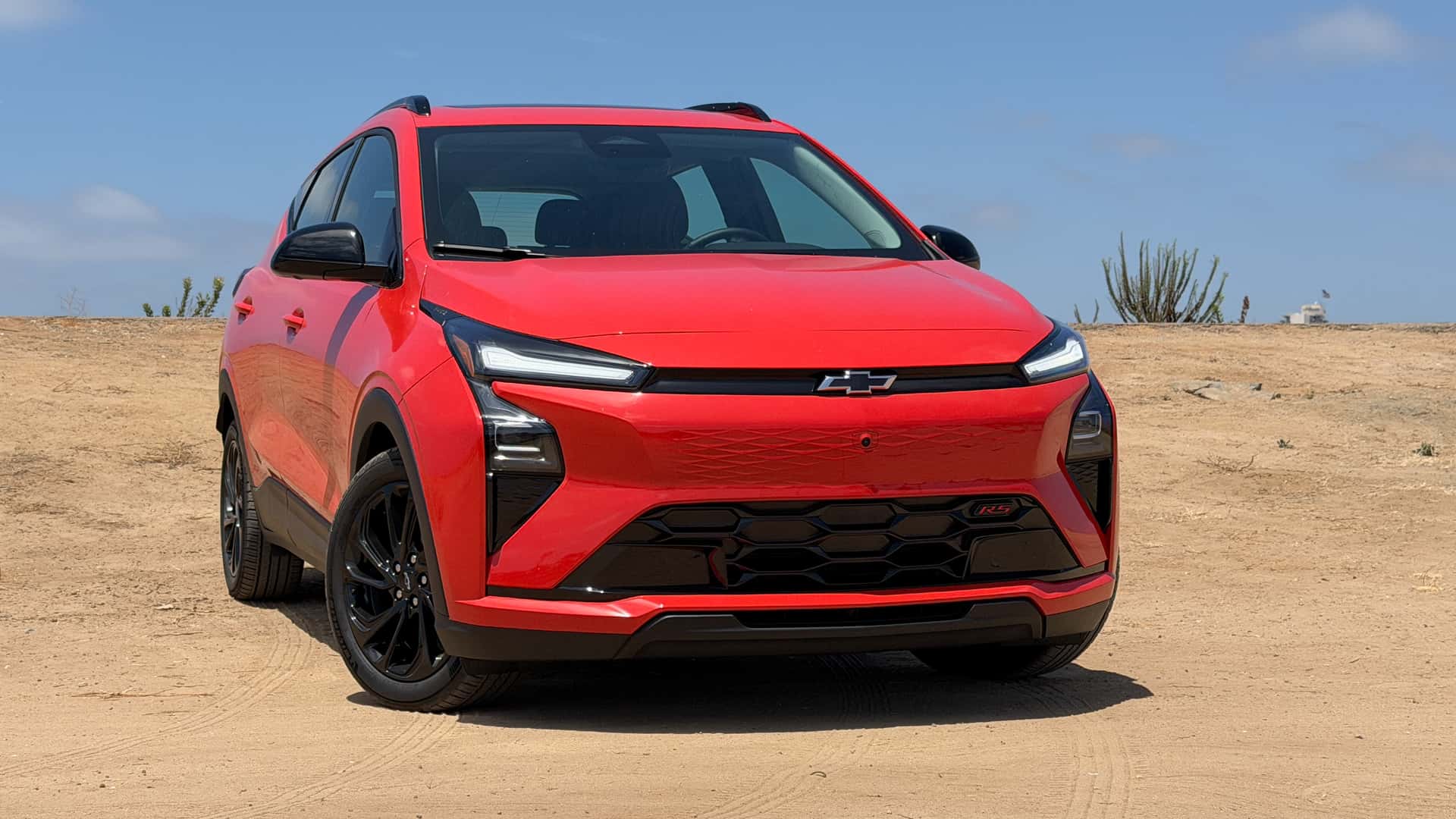
Average New EV Prices Narrowing Gap with Gas Cars
Updated September 19, 2026
3 min read
1 linked source
The average cost of a new electric vehicle (EV) is now only 9.4% higher than that of a gas-powered car, indicating a significant shift in the automotive market. This change is occurring as government incentives play a diminishing role in the pricing of EVs. The trend suggests that EVs are becoming more accessible to a broader range of buyers.
Share this story
Why it matters
- ✓As EV prices approach those of gas cars, more consumers may consider switching to electric, potentially increasing EV adoption.
- ✓The reduced reliance on incentives may indicate a maturing EV market, which could lead to more stable pricing and availability.
- ✓Buyers may find it easier to justify the upfront cost of an EV, knowing the price gap is closing.
Reporting notes
EV Signal briefs are written to explain the verified change first, then add the context EV buyers and owners need to understand cost, availability, charging access, eligibility, or ownership impact.
If details are still developing, we try to say what is confirmed, what comes from secondary reporting, and what readers should verify before acting.
Source mix
1 linked source
1 media
Reviewed from: InsideEVs.
Average New EV Prices Narrowing Gap with Gas Cars
The average cost of a new electric vehicle (EV) is now only 9.4% higher than that of a gas-powered car, according to a report from InsideEVs. This narrowing price gap signifies a notable shift in the automotive market, suggesting that EVs are becoming increasingly accessible to consumers.
What Changed
The report highlights that the price difference between new EVs and gas cars is decreasing, with incentives from governments becoming less critical in influencing EV prices. This trend indicates that the EV market is evolving, with manufacturers likely improving production efficiencies and reducing costs.
Why It Matters for Buyers and Owners
- Increased Accessibility: As the price gap between EVs and gas cars narrows, more consumers may consider purchasing electric vehicles, potentially leading to higher adoption rates.
- Market Maturity: The reduced reliance on government incentives suggests that the EV market is maturing. This could lead to more stable pricing and availability of electric vehicles in the future.
- Justifying Upfront Costs: With the decreasing price difference, buyers may find it easier to justify the upfront cost of an EV, knowing that they are not significantly more expensive than traditional gas vehicles.
Key Details from Source Material
The report from InsideEVs emphasizes that the average new EV now costs only 9.4% more than a gas car. This statistic reflects a significant change in the automotive landscape, where EVs are increasingly viewed as viable alternatives to traditional vehicles. The report also notes that government incentives, which have historically played a significant role in making EVs more affordable, are becoming less influential in this pricing shift.
What to Watch Next
As the trend of narrowing price differences continues, it will be important to monitor how manufacturers respond to this shift. Potential developments could include new models being introduced at competitive prices, changes in government policies regarding EV incentives, and advancements in battery technology that may further reduce costs. Additionally, consumer attitudes towards EVs may evolve as they become more financially comparable to gas cars, which could impact overall market dynamics.
In conclusion, the trend of EV prices closing in on those of gas cars is a significant development for both potential buyers and current owners. As this shift continues, it will be crucial to stay informed about the evolving landscape of electric vehicles.
Sources
These are the documents and reports used to build this brief so readers can verify the story directly.
- ‘The Trend Is Clear’: How EVs Are Closing In On Gas Car Prices — InsideEVsMEDIA
Comments
Log in with
Loading comments…
More in Buying
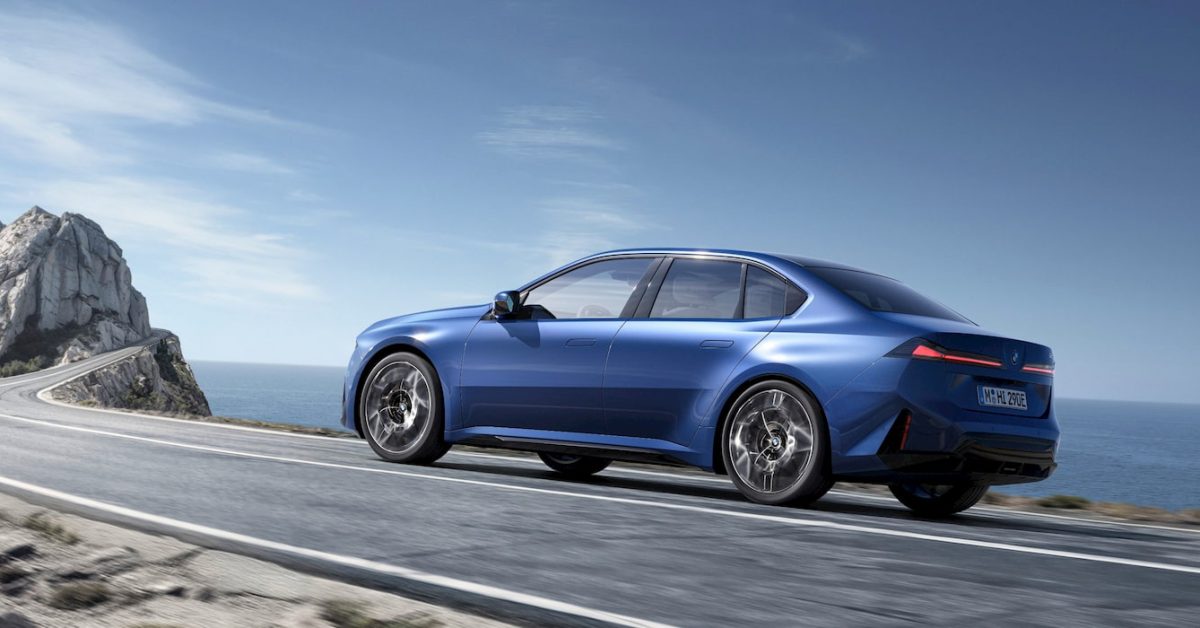
BMW Opens US Reservations for New i3 Ahead of Schedule
BMW has announced that it will open reservations for the new i3 in the United States earlier than…
11h ago

Jackery Explorer 5000 Plus Power Station Discounted by $1,000
The Jackery Explorer 5000 Plus Portable Power Station is now available for $1,499, reflecting a…
17h ago
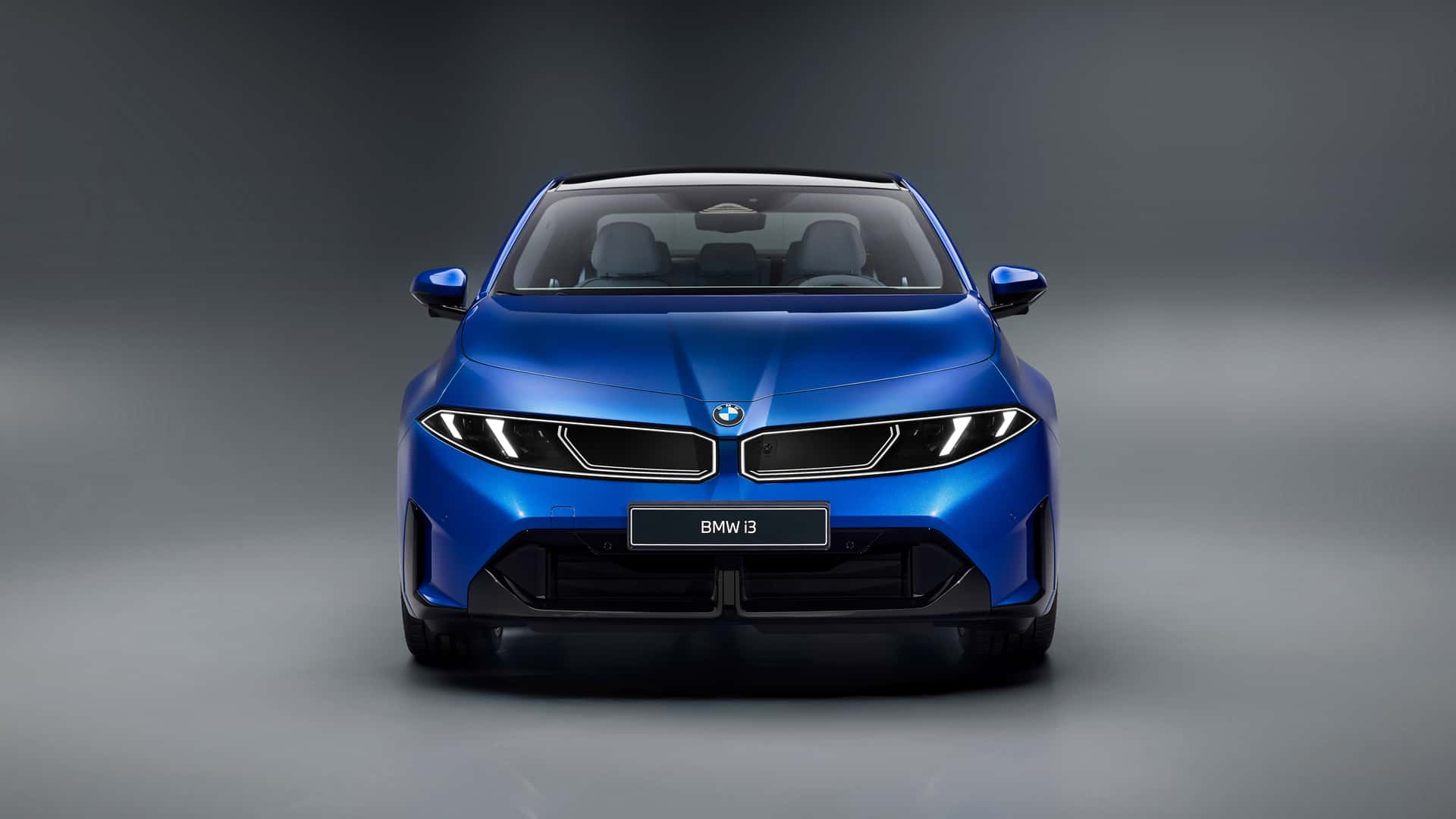
BMW i3 EV Reservations Open Early in the U.S.
BMW has announced that it will begin accepting reservations for the new i3 electric sedan ahead of…
23h ago
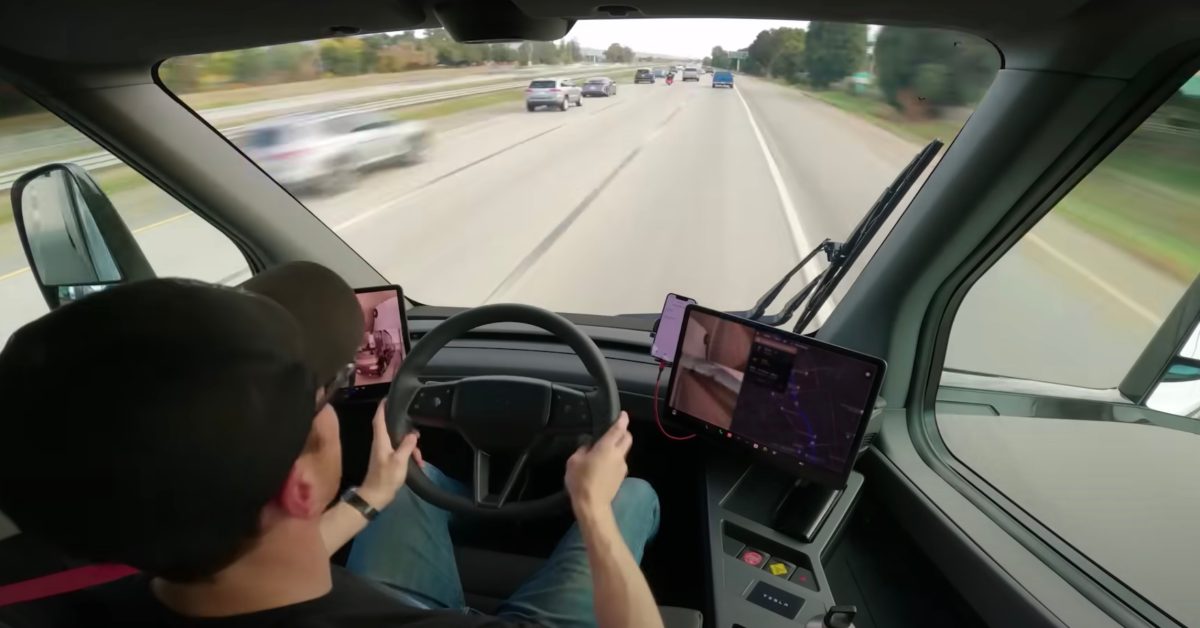
Tesla Semi Secures 2,500-Truck Order, Doubling US Electric Class 8 Fleet
Tesla has received a historic order for 2,500 battery-electric trucks from a new shipper alliance…
1d ago