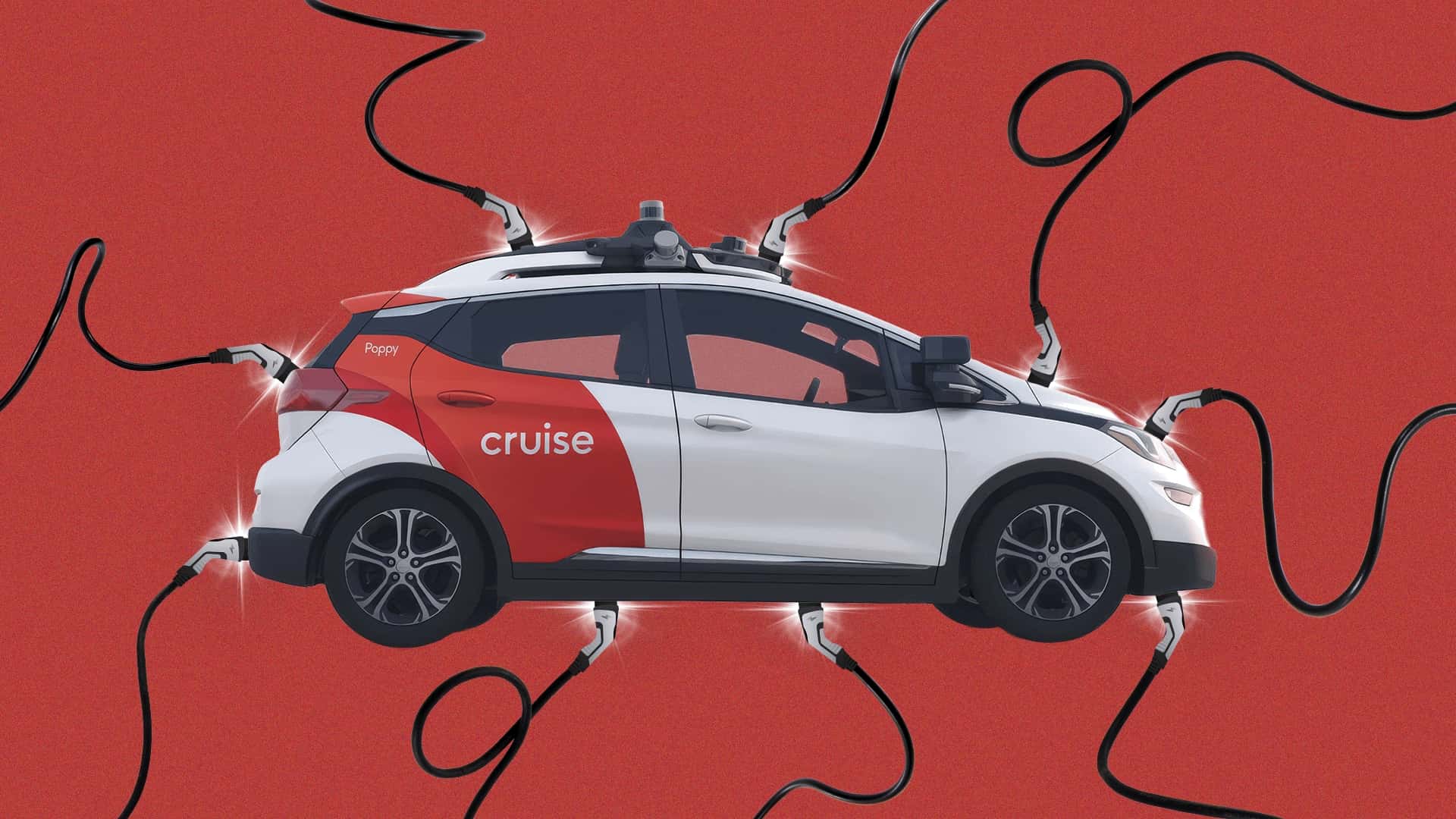
Autonomous Driving Tech's High Power Demand Challenges Modern EVs
Updated April 29, 2026
3 min read
1 linked source
Recent insights reveal that while autonomous driving technology is currently manageable for fleet vehicles, personal electric vehicle (EV) owners may face significant battery consumption challenges. This increase in power demand could limit the practicality of personal autonomy in everyday EV use. The implications for individual users are still uncertain as technology evolves.
Share this story
Why it matters
- ✓Increased battery consumption may lead to shorter driving ranges for personal EVs equipped with autonomous driving features.
- ✓Potentially higher ownership costs due to more frequent charging needs for personal EVs.
- ✓Current fleet models may benefit from economies of scale, leaving individual buyers at a disadvantage.
Reporting notes
EV Signal briefs are written to explain the verified change first, then add the context EV buyers and owners need to understand cost, availability, charging access, eligibility, or ownership impact.
If details are still developing, we try to say what is confirmed, what comes from secondary reporting, and what readers should verify before acting.
Source mix
1 linked source
1 media
Reviewed from: InsideEVs.
Autonomous Driving Tech's High Power Demand Challenges Modern EVs
Recent discussions in the EV community highlight a significant concern regarding the power consumption of autonomous driving technology. According to a feature on InsideEVs, while the current math works out favorably for fleet vehicles, personal EV owners may face challenges due to the high energy demands of these advanced systems. This raises questions about the practicality of personal autonomy in everyday driving scenarios.
What Changed?
The primary change is the recognition that autonomous driving technology requires substantial power, which can lead to increased battery consumption. For fleet vehicles, which can optimize their operations and charging schedules, this demand is manageable. However, for individual drivers, the implications could be more severe, potentially resulting in reduced driving ranges and increased frequency of charging.
Why It Matters for Buyers/Owners
-
Increased Battery Consumption: As autonomous driving features become more prevalent, personal EVs may experience a significant drop in efficiency, leading to shorter driving ranges. This could affect daily usability for many drivers who rely on their vehicles for long commutes or road trips.
-
Higher Ownership Costs: With the need for more frequent charging, the overall cost of ownership for personal EVs could rise. Owners may need to invest in faster charging solutions or adjust their driving habits to accommodate the increased power demands.
-
Fleet vs. Individual Use: The current advantages seen in fleet operations may not translate to individual users. Fleet vehicles can leverage economies of scale and optimized charging schedules, which personal EV owners may not have access to, potentially widening the gap in performance and cost-effectiveness.
Key Details from Source Material
The article from InsideEVs emphasizes that while the technology is viable for fleets, the same cannot be said for personal vehicles without significant adjustments. The high power consumption associated with autonomous driving features could lead to a scenario where personal EVs are less efficient, making them less appealing for consumers who prioritize range and cost-effectiveness.
What to Watch Next
As the technology continues to develop, it will be important to monitor advancements in battery technology and charging infrastructure that may mitigate these issues. Additionally, the automotive industry’s response to consumer concerns regarding the practicality of autonomous driving in personal vehicles will be crucial. Future updates from manufacturers about their autonomous systems' efficiency and power management will also be key in determining how this technology can be integrated into everyday use without compromising the driving experience.
In conclusion, while autonomous driving technology holds great promise, its current power demands pose significant challenges for personal EV owners. As the industry evolves, staying informed about these developments will be essential for potential buyers and current owners alike.
Sources
These are the documents and reports used to build this brief so readers can verify the story directly.
Comments
Log in with
Loading comments…
More in Ownership
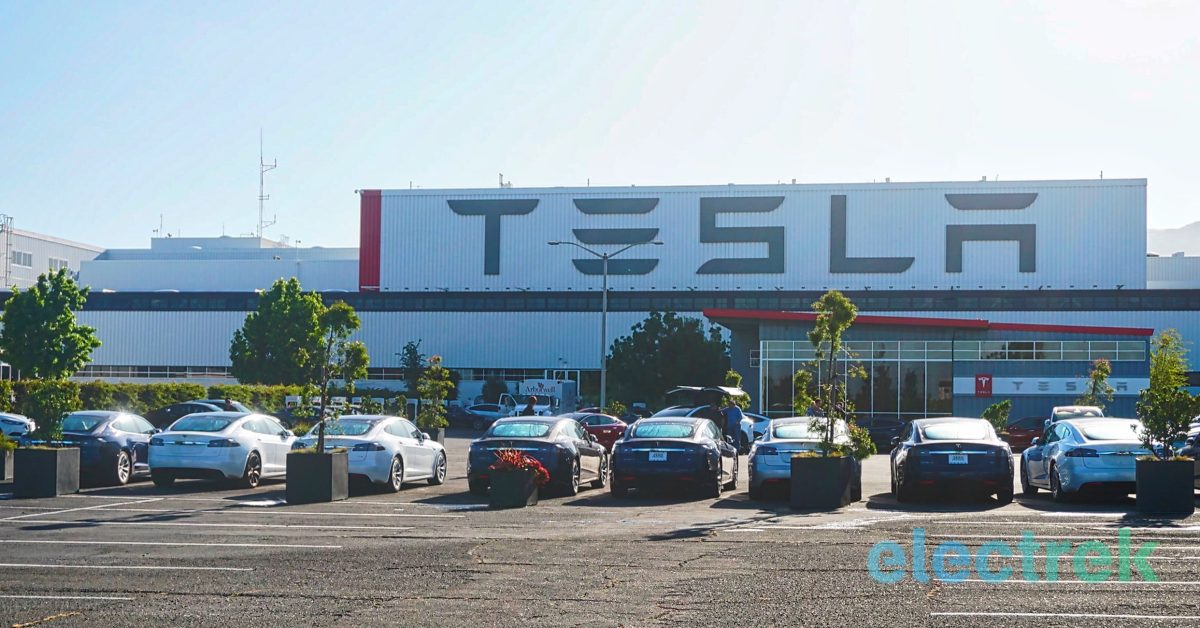
Tesla's Lawyers Misled Witness in Racism Trial
Tesla's ongoing racism trial in California has faced significant setbacks as it was revealed that a…
18h ago
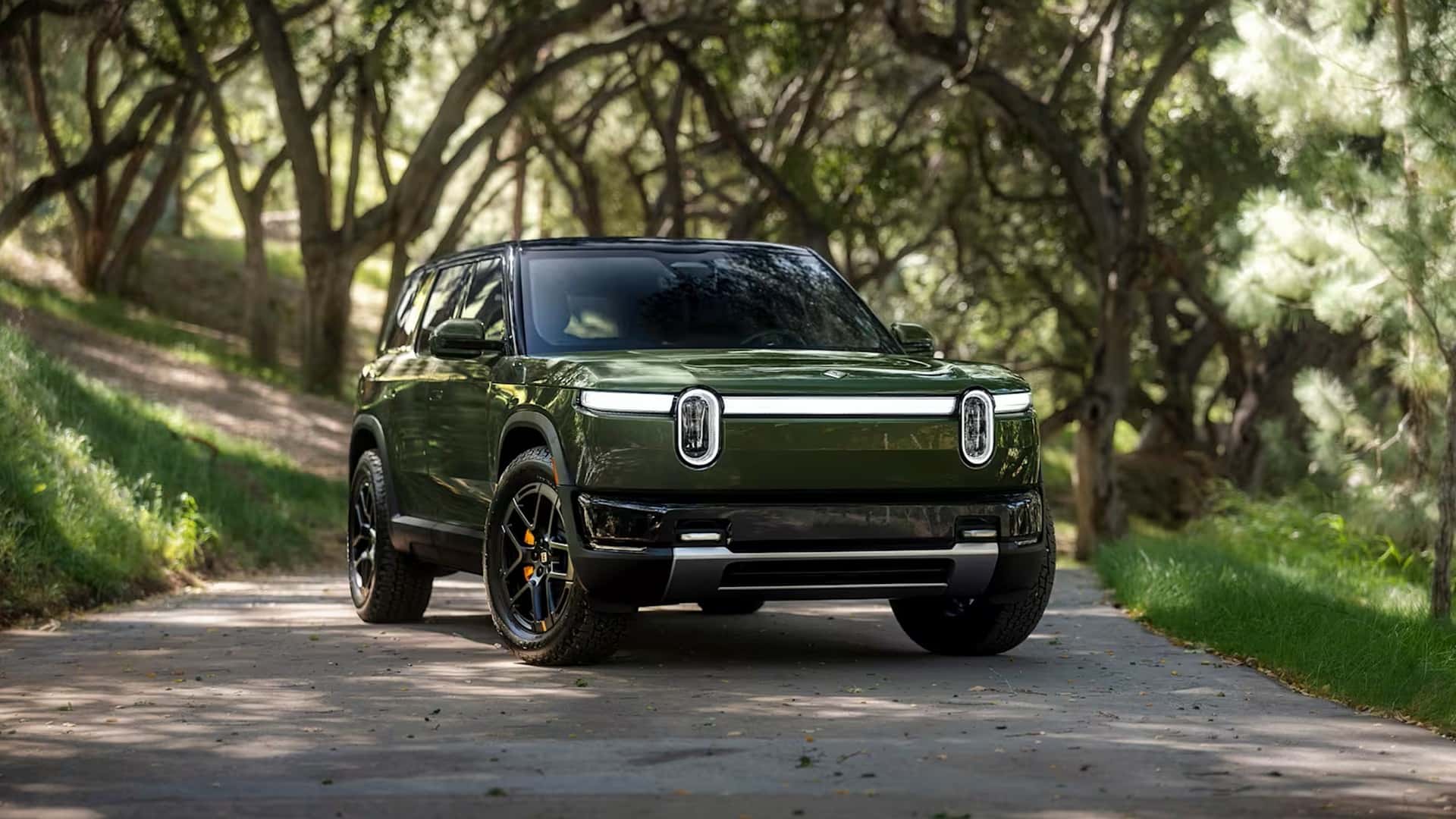
Rivian R2 Faces First Recall Due to Camera Issue
Rivian has issued a recall affecting nearly 99,000 vehicles, including some of its new R2 models,…
18h ago
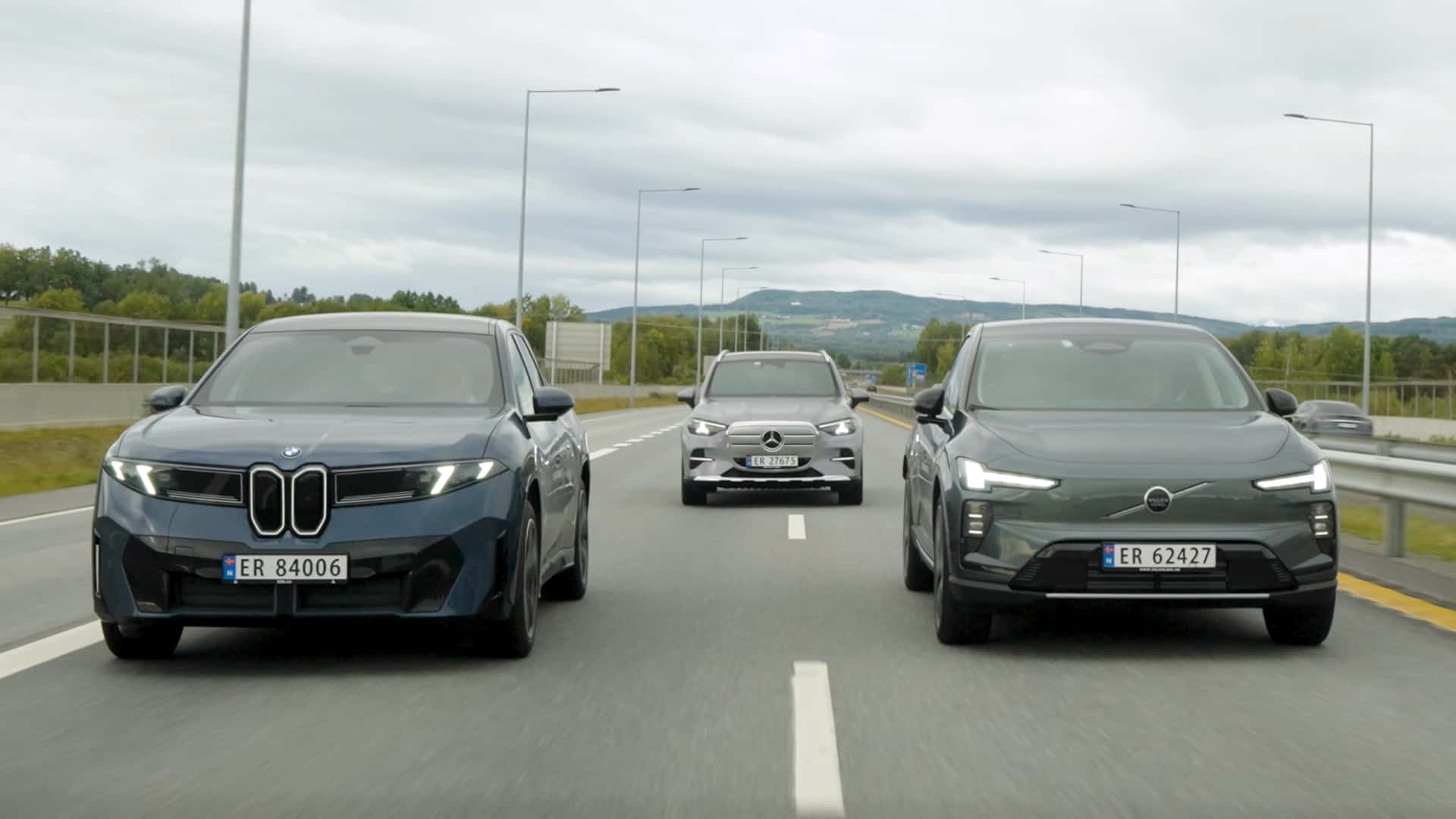
BMW iX3 Outperforms Mercedes GLC and Volvo EX60 in Highway Efficiency Test
In a recent highway test, the BMW iX3 demonstrated superior energy efficiency and range compared to…
1d ago
PHEV Batteries Show Resilience Despite Frequent Cycling
Plug-in hybrid electric vehicles (PHEVs) experience more frequent battery cycling than fully…
1d ago