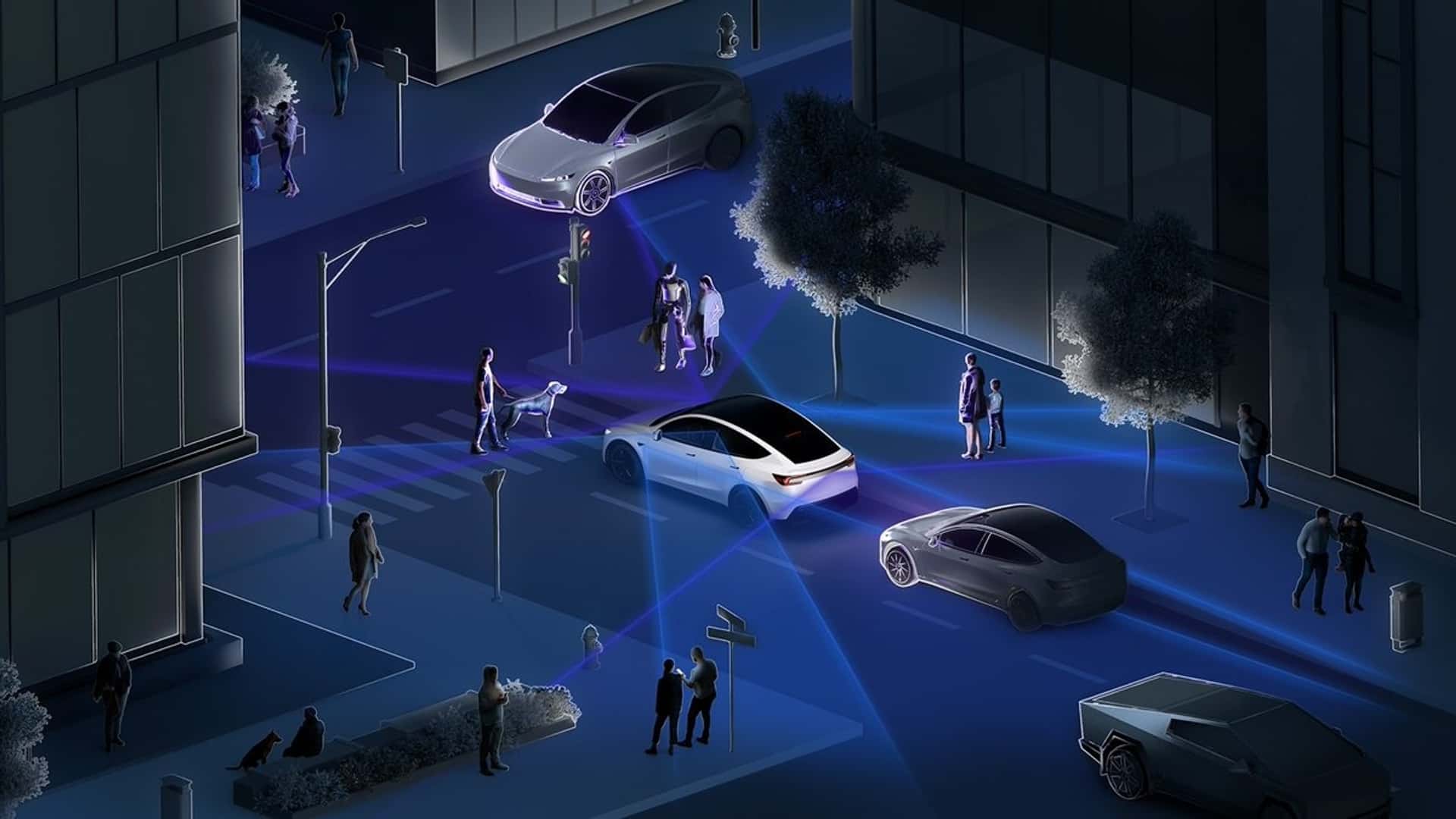
Automakers Push Subscription Models for Driver-Assistance Tech Despite Consumer Resistance
Updated April 10, 2026
3 min read
1 linked source
Automakers are increasingly offering subscription services for driver-assistance technologies, despite consumer reluctance towards such models. This trend raises questions about the perceived value of these technologies among potential buyers. The push for software revenue by car companies may not align with consumer preferences, leading to uncertainty in the market.
Share this story
Why it matters
- ✓Consumers may face higher ownership costs due to ongoing subscription fees for essential driver-assistance features.
- ✓The reluctance of buyers to adopt subscription models could slow the adoption of advanced EV technologies.
- ✓Potential buyers may need to weigh the benefits of driver-assistance features against the additional costs of subscriptions.
Reporting notes
EV Signal briefs are written to explain the verified change first, then add the context EV buyers and owners need to understand cost, availability, charging access, eligibility, or ownership impact.
If details are still developing, we try to say what is confirmed, what comes from secondary reporting, and what readers should verify before acting.
Source mix
1 linked source
1 media
Reviewed from: InsideEVs.
Automakers Push Subscription Models for Driver-Assistance Tech
Automakers are increasingly pursuing subscription models for driver-assistance technologies, even as consumer interest in these services remains lukewarm. According to a report from InsideEVs, the automotive industry is shifting its focus towards software revenue, but many consumers are questioning the value of these subscription services.
What Changed
The automotive sector is witnessing a significant shift towards software-based revenue streams, particularly in the realm of driver-assistance technologies. Automakers are offering these features through subscription services, which allow consumers to pay a recurring fee rather than making a one-time purchase. However, consumer feedback indicates a strong preference against subscription models, leading to a potential disconnect between automakers and their customers.
Why It Matters for Buyers and Owners
The push for subscription-based driver-assistance technologies could have several implications for EV buyers and owners:
- Increased Ownership Costs: Buyers may find themselves facing higher overall costs due to ongoing subscription fees for essential features that were traditionally included in the vehicle purchase price.
- Adoption of Advanced Technologies: The reluctance of consumers to embrace subscription models may hinder the widespread adoption of advanced driver-assistance technologies, which could impact the overall safety and efficiency of EVs.
- Cost-Benefit Analysis: Potential buyers will need to carefully evaluate the benefits of driver-assistance features against the additional costs associated with subscriptions, which could influence their purchasing decisions.
Key Details from Source Material
The article from InsideEVs highlights that while automakers are eager to capitalize on software revenue, the current state of driver-assistance technology has left many consumers skeptical about its value. This skepticism is compounded by the fact that many buyers are accustomed to paying a single fee for features that they expect to be included in the vehicle’s purchase price.
The trend towards subscriptions raises questions about how automakers will balance their desire for recurring revenue with consumer preferences. As companies continue to develop and market these technologies, they may need to reassess their strategies to better align with what buyers want.
What to Watch Next
As this situation evolves, it will be important to monitor how automakers respond to consumer feedback regarding subscription models. Will they adjust their offerings to include more one-time purchase options, or will they double down on subscriptions? Additionally, keep an eye on consumer sentiment regarding the value of driver-assistance technologies, as this could significantly impact the success of these subscription services in the market.
Sources
These are the documents and reports used to build this brief so readers can verify the story directly.
Comments
Log in with
Loading comments…
More in Software
Mercedes Partners with Wayve for Advanced Driver Assistance System
Mercedes-Benz has announced a collaboration with Wayve to develop a driver assistance system…
1d ago
Tesla Full Self-Driving Update Issues False Camera Alerts
Tesla's latest Full Self-Driving update, version 14.3.9, is erroneously alerting owners that their…
1d ago

Mercedes-Benz Partners with Wayve for AI Driver Integration in Future Vehicles
Mercedes-Benz has finalized a production agreement with Wayve, a British self-driving startup, to…
1d ago
Tesla Cybercab Faces Navigation Issues Similar to Existing Tesla Models
Tesla's new Cybercab robotaxis are reportedly experiencing navigation problems, taking unusual…
2d ago