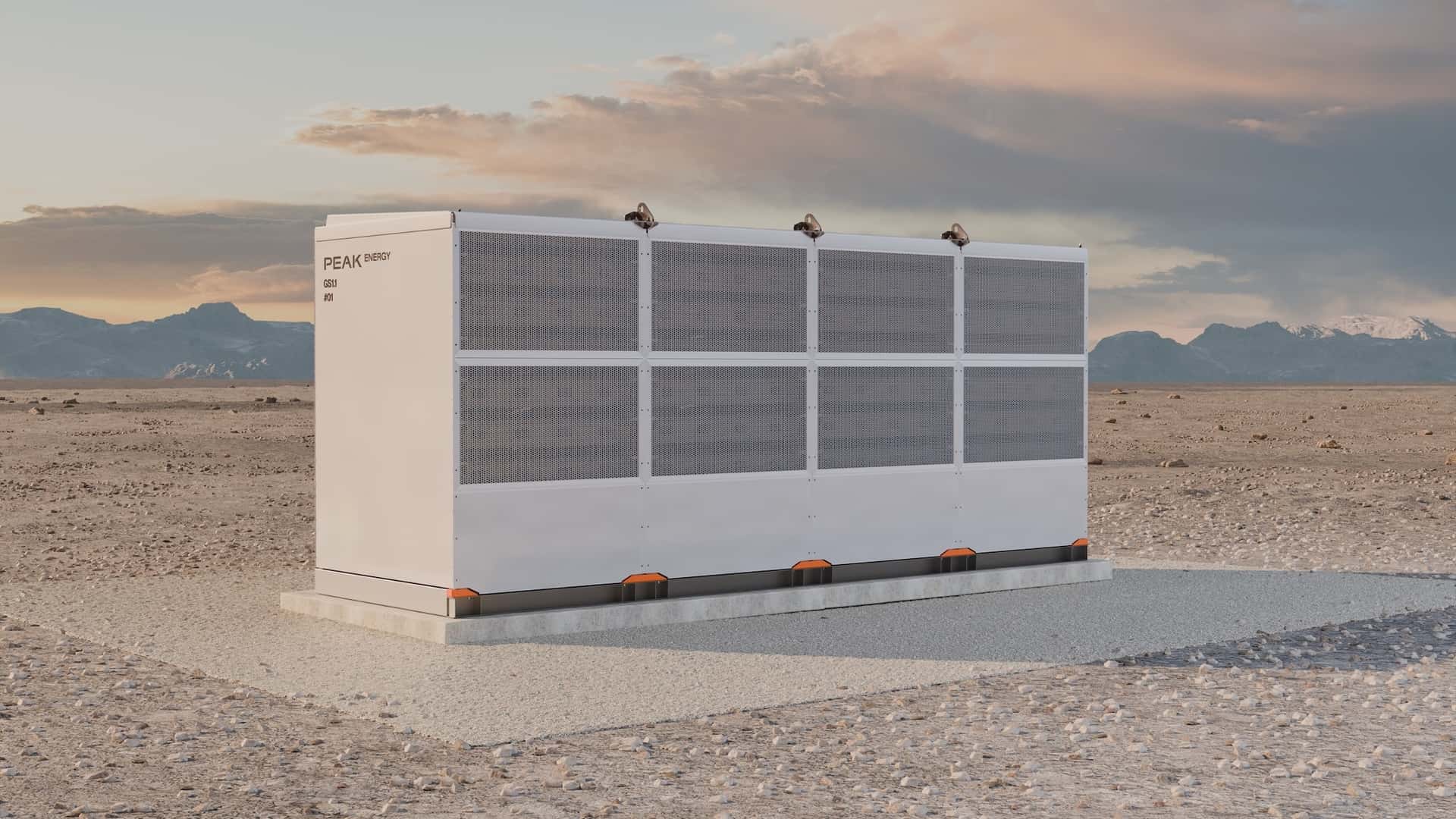
Automakers Convert Excess Battery Inventory into Cash
Updated April 17, 2026
3 min read
1 linked source
Car manufacturers have overproduced batteries for electric vehicles (EVs), leading to a surplus that exceeds current consumer demand. To address this issue, companies are now finding ways to monetize these excess battery cells. However, the effectiveness and sustainability of these solutions remain uncertain.
Share this story
Why it matters
- ✓Potential for reduced battery costs, which could lower overall EV prices for consumers.
- ✓Increased availability of battery resources may enhance charging infrastructure development.
- ✓The financial health of automakers could impact future EV investments and innovations.
Reporting notes
EV Signal briefs are written to explain the verified change first, then add the context EV buyers and owners need to understand cost, availability, charging access, eligibility, or ownership impact.
If details are still developing, we try to say what is confirmed, what comes from secondary reporting, and what readers should verify before acting.
Source mix
1 linked source
1 media
Reviewed from: InsideEVs.
Automakers Convert Excess Battery Inventory into Cash
Car manufacturers are facing a significant challenge: they have built more battery production capacity than the current market demands. This surplus of batteries has led to a situation where automakers are now looking for ways to turn these excess cells into cash, as reported by InsideEVs.
What Changed
The automotive industry has ramped up battery production in anticipation of a surge in electric vehicle (EV) sales. However, consumer adoption has not kept pace with these projections, resulting in an oversupply of batteries. To mitigate the financial impact of this surplus, automakers are exploring various strategies to monetize their excess inventory.
Why It Matters for Buyers and Owners
- Potential for Lower Prices: If automakers successfully monetize their surplus batteries, this could lead to reduced costs in battery production. Lower production costs may translate to lower prices for EVs, making them more accessible to consumers.
- Enhanced Charging Infrastructure: The financial resources generated from these excess batteries might be reinvested into developing better charging infrastructure, improving access for EV owners.
- Impact on Future Investments: The financial stability of automakers is crucial for ongoing investments in EV technology and innovation. If companies can effectively manage their battery surplus, it could positively influence their ability to fund future advancements in electric mobility.
Key Details from Source Material
According to InsideEVs, the current oversupply of batteries is a direct result of automakers' aggressive expansion of battery manufacturing capabilities, which were built in anticipation of higher consumer demand for EVs. As the market has not yet absorbed the expected volume of electric vehicles, manufacturers are now tasked with finding solutions to utilize or sell off their excess battery stock.
While specific strategies for monetization are not detailed, automakers are likely considering options such as selling batteries to third-party companies, repurposing them for energy storage solutions, or even recycling them for materials. Each of these options presents its own set of challenges and uncertainties.
What to Watch Next
As automakers navigate this surplus situation, it will be important to monitor how they implement their strategies for monetizing excess batteries. Key areas to watch include:
- Market Response: How consumers react to any changes in pricing or availability of EVs as a result of these strategies.
- Investment Trends: Whether automakers reinvest profits from battery sales into further EV development or infrastructure improvements.
- Technological Innovations: Any new technologies or methods that emerge from the need to address battery surplus, which could impact the future landscape of electric vehicles.
In conclusion, while the oversupply of batteries presents challenges for automakers, it also opens up opportunities that could benefit EV buyers and owners in the long run. The situation is evolving, and stakeholders in the EV market should stay informed about developments in this area.
Sources
These are the documents and reports used to build this brief so readers can verify the story directly.
Comments
Log in with
Loading comments…
More in Ownership
Tesla's Lawyers Misled Witness in Racism Trial
Tesla's ongoing racism trial in California has faced significant setbacks as it was revealed that a…
18h ago
Rivian R2 Faces First Recall Due to Camera Issue
Rivian has issued a recall affecting nearly 99,000 vehicles, including some of its new R2 models,…
18h ago
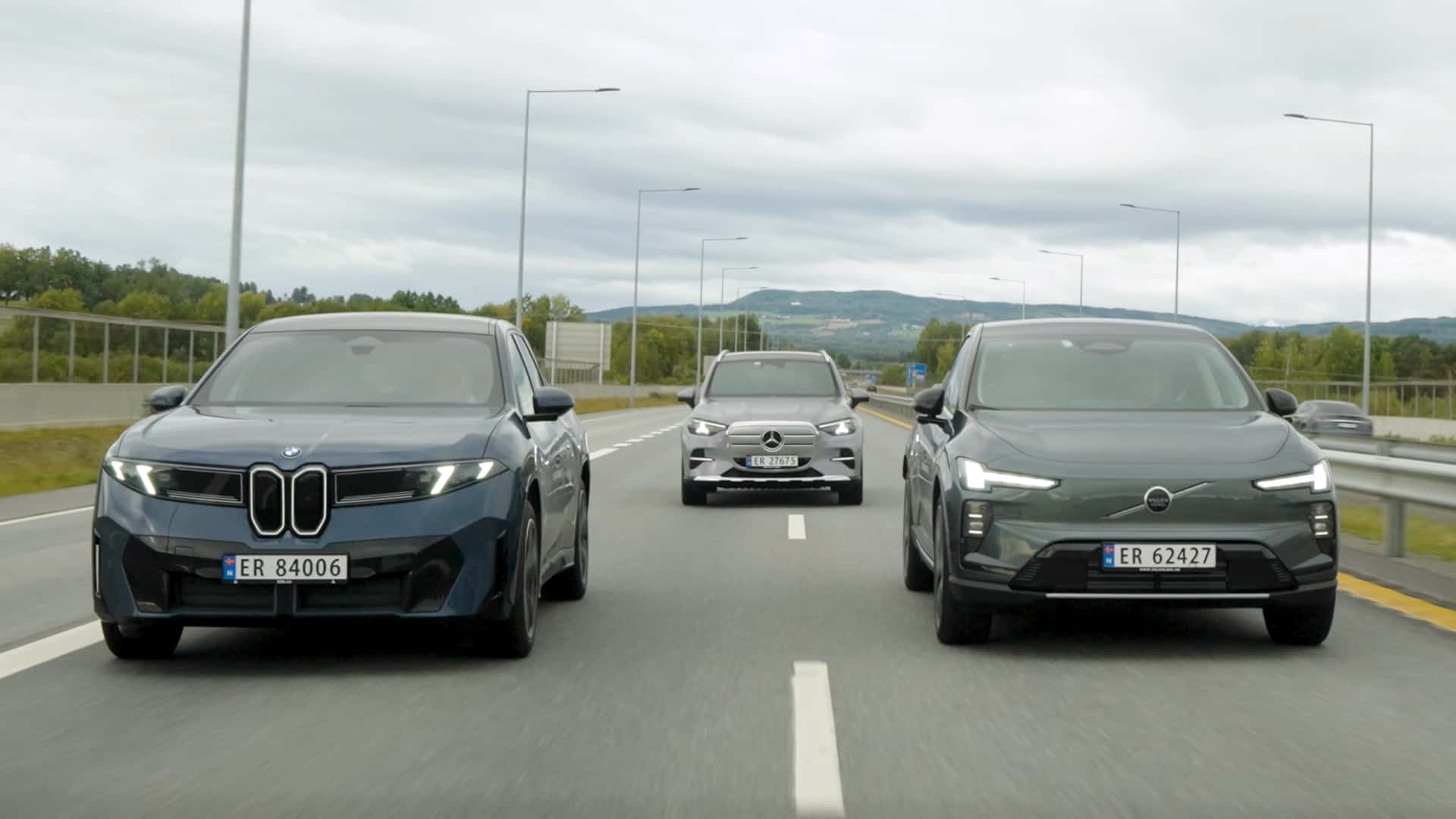
BMW iX3 Outperforms Mercedes GLC and Volvo EX60 in Highway Efficiency Test
In a recent highway test, the BMW iX3 demonstrated superior energy efficiency and range compared to…
1d ago
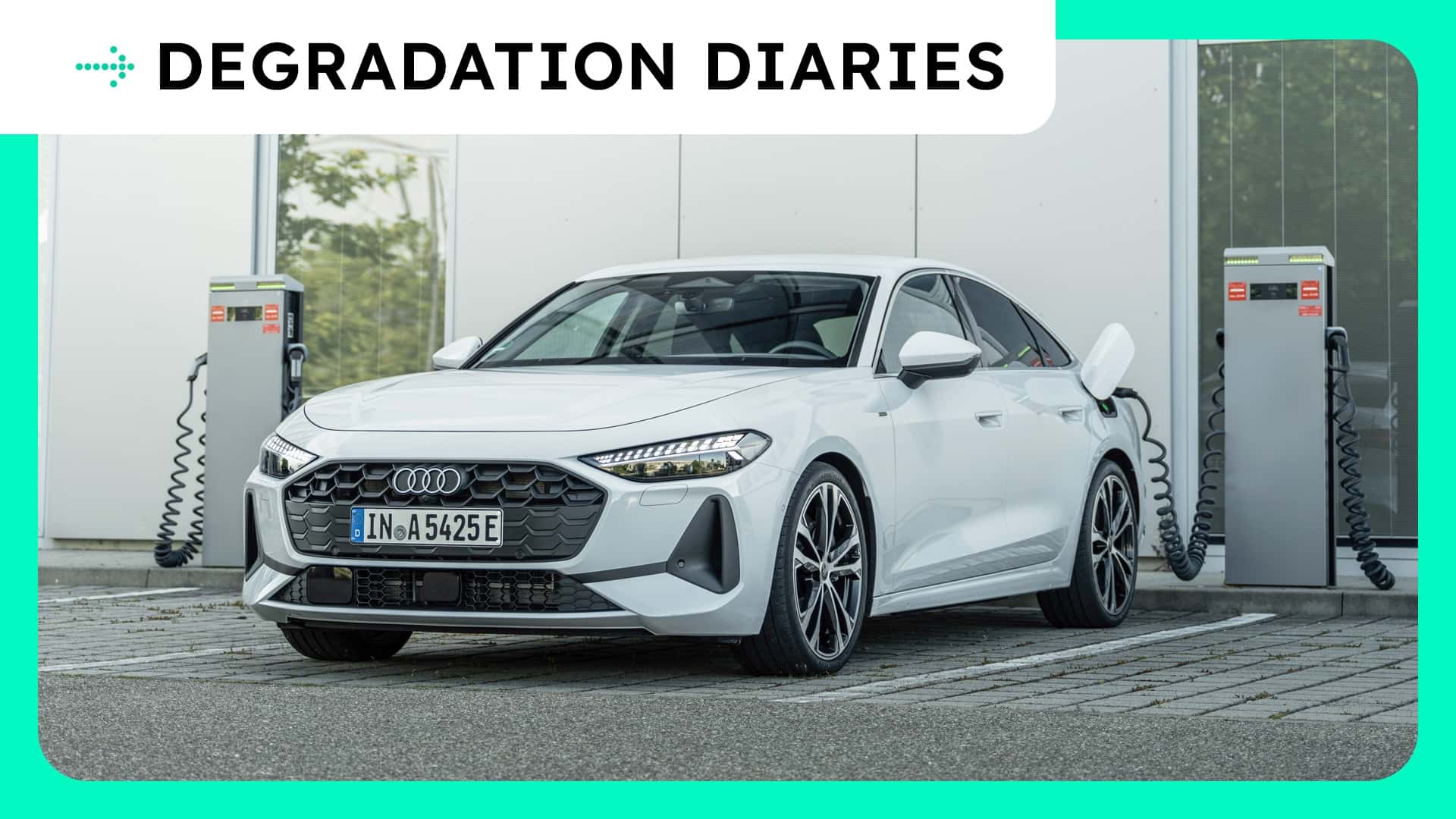
PHEV Batteries Show Resilience Despite Frequent Cycling
Plug-in hybrid electric vehicles (PHEVs) experience more frequent battery cycling than fully…
1d ago