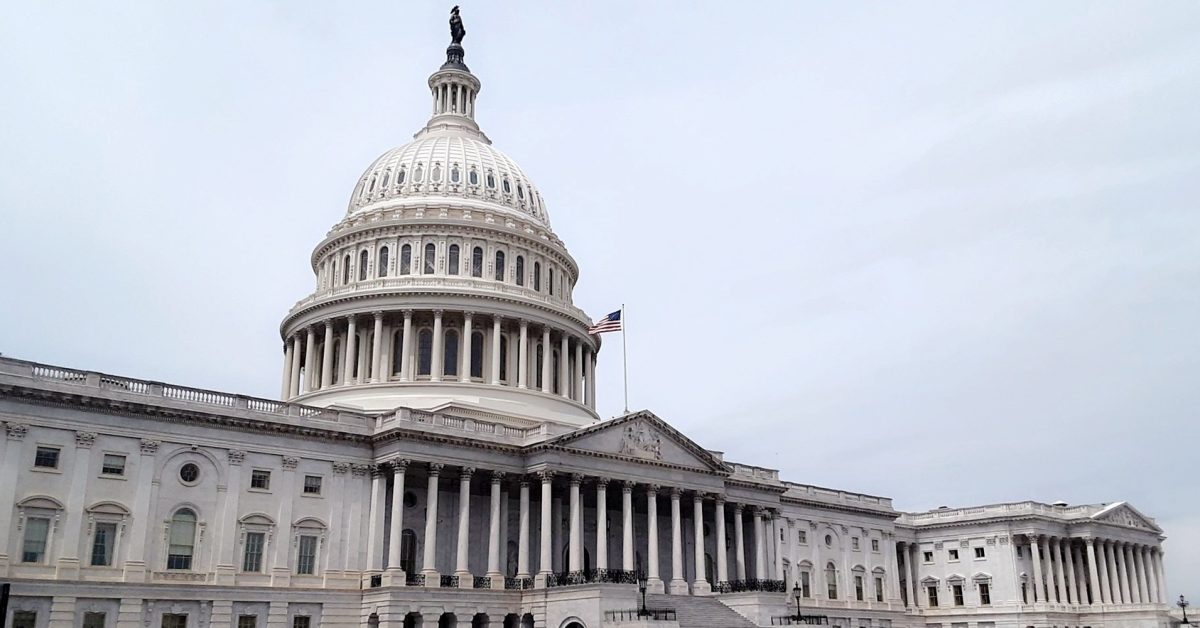
Alliance for Automotive Innovation Urges Congress to Halt Automotive Innovation
Updated September 4, 2026
3 min read
1 linked source
The Alliance for Automotive Innovation is lobbying Congress to limit competition in the automotive sector, which could impact the availability and affordability of vehicles for consumers. This move may keep Americans reliant on older, less efficient vehicles, potentially stifling advancements in electric vehicle technology. The implications for EV buyers and owners remain uncertain as this situation develops.
Share this story
Why it matters
- ✓Potential increase in prices for EVs as competition is stifled.
- ✓Limited availability of innovative and efficient vehicles, affecting consumer choices.
- ✓Possibility of continued reliance on older, more polluting vehicles, impacting environmental goals.
Reporting notes
EV Signal briefs are written to explain the verified change first, then add the context EV buyers and owners need to understand cost, availability, charging access, eligibility, or ownership impact.
If details are still developing, we try to say what is confirmed, what comes from secondary reporting, and what readers should verify before acting.
Source mix
1 linked source
1 media
Reviewed from: Electrek.
Alliance for Automotive Innovation's Lobbying Efforts
The Alliance for Automotive Innovation has recently taken a controversial stance by urging Congress to impose restrictions on automotive innovation. This move raises significant concerns about the future of vehicle competition and the potential impact on consumers, particularly those interested in electric vehicles (EVs).
What Changed?
The auto industry, represented by the Alliance for Automotive Innovation, is actively lobbying Congress to stifle competition within the automotive market. According to Electrek, this initiative aims to ensure that American consumers remain dependent on older, less efficient vehicles, which are often more expensive and environmentally harmful. The implications of this lobbying effort could have far-reaching effects on the automotive landscape, especially for those considering the purchase of EVs.
Why It Matters for Buyers and Owners
- Price Implications: If competition is limited, prices for EVs may rise as manufacturers have less incentive to innovate and reduce costs. This could make EVs less accessible to average consumers.
- Availability of Innovative Vehicles: A reduction in competition may lead to fewer options for consumers, particularly in the EV market. Buyers may find themselves with limited choices, which could hinder the adoption of cleaner technologies.
- Environmental Impact: Continued reliance on older, more polluting vehicles could undermine efforts to reduce greenhouse gas emissions and combat climate change. This is particularly concerning for environmentally conscious consumers looking to transition to cleaner transportation options.
Key Details from Source Material
The lobbying efforts by the Alliance for Automotive Innovation have been characterized as an attempt to maintain the status quo in the automotive industry. The organization argues that limiting competition will protect jobs and stabilize the market. However, critics argue that this approach could hinder technological advancements and keep consumers tied to outdated vehicle options. The pushback against innovation raises questions about the future direction of the automotive industry and its commitment to sustainability.
What to Watch Next
As this situation unfolds, it will be crucial to monitor Congress's response to the Alliance for Automotive Innovation's lobbying efforts. Key developments may include:
- Legislative proposals aimed at regulating competition in the automotive sector.
- Reactions from other industry stakeholders, including EV manufacturers and environmental groups.
- Public sentiment regarding the importance of innovation in the automotive industry and its impact on consumer choice.
In conclusion, the Alliance for Automotive Innovation's call to halt automotive innovation has significant implications for EV buyers and owners. As the situation develops, consumers should stay informed about potential changes that could affect their purchasing decisions and the overall direction of the automotive market.
Sources
These are the documents and reports used to build this brief so readers can verify the story directly.
Comments
Log in with
Loading comments…
More in Ownership
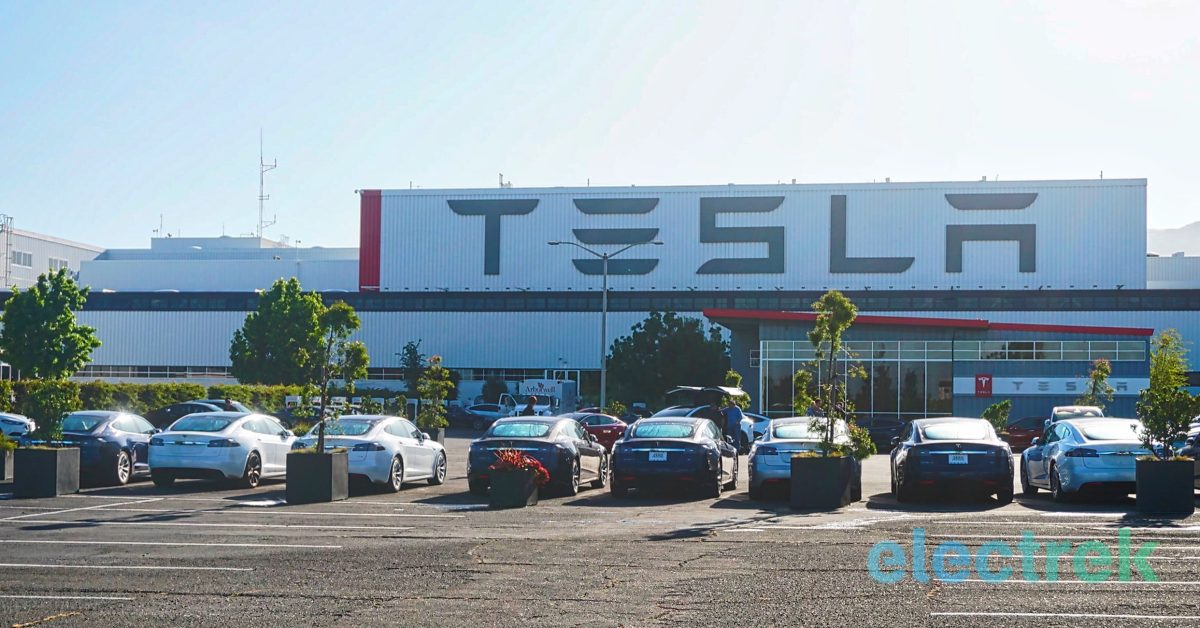
Tesla's Lawyers Misled Witness in Racism Trial
Tesla's ongoing racism trial in California has faced significant setbacks as it was revealed that a…
19h ago
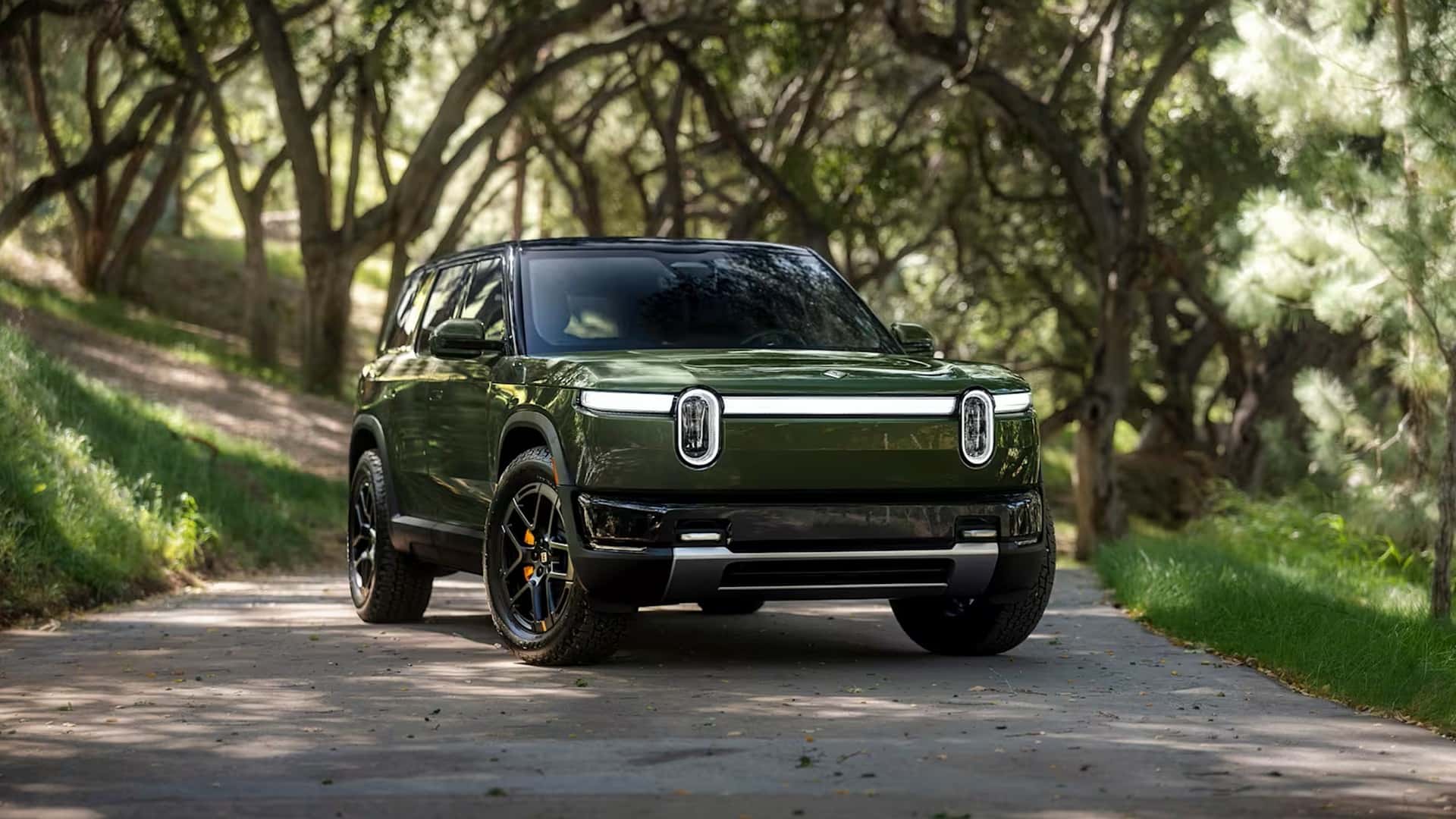
Rivian R2 Faces First Recall Due to Camera Issue
Rivian has issued a recall affecting nearly 99,000 vehicles, including some of its new R2 models,…
19h ago
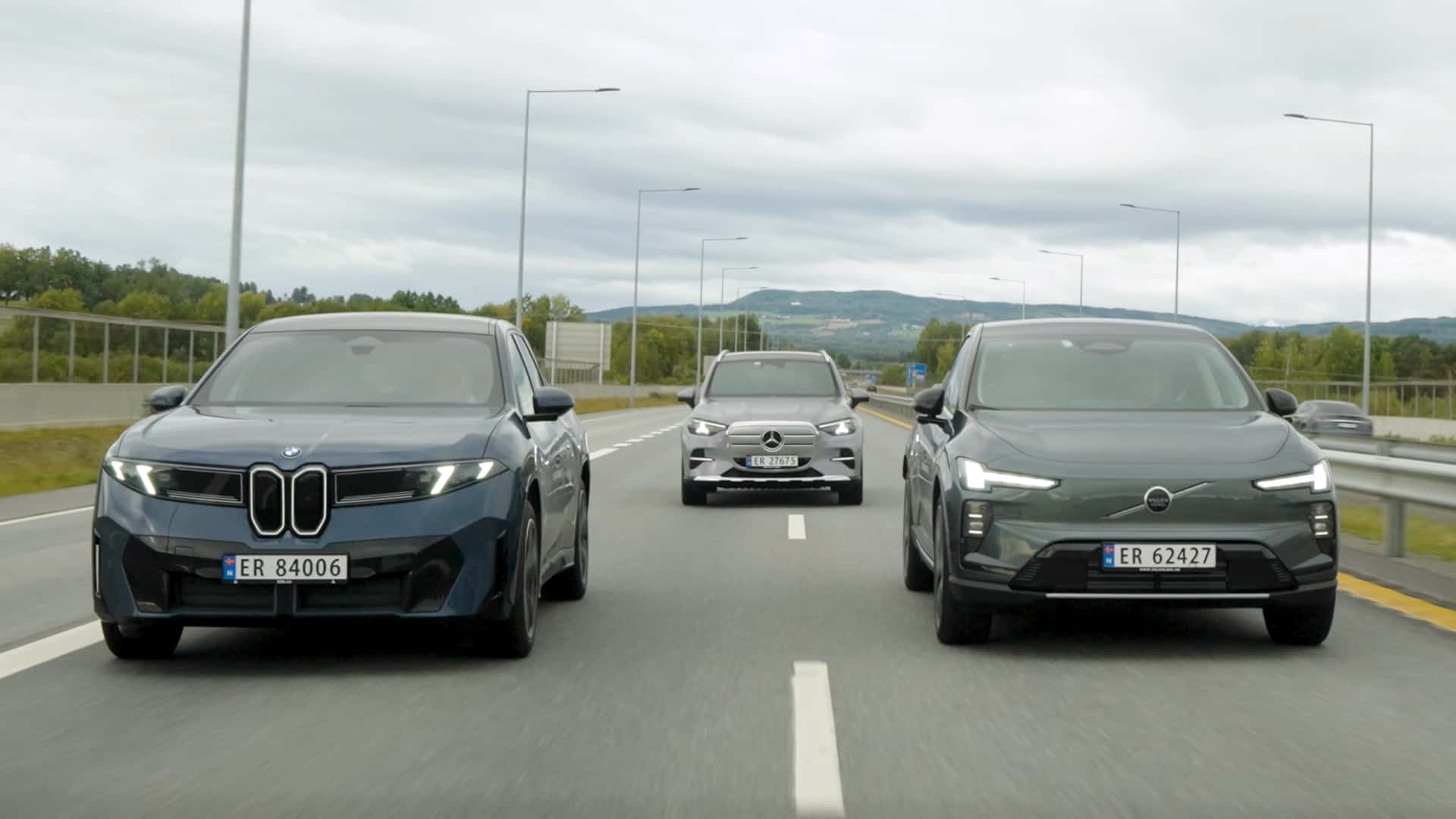
BMW iX3 Outperforms Mercedes GLC and Volvo EX60 in Highway Efficiency Test
In a recent highway test, the BMW iX3 demonstrated superior energy efficiency and range compared to…
1d ago
PHEV Batteries Show Resilience Despite Frequent Cycling
Plug-in hybrid electric vehicles (PHEVs) experience more frequent battery cycling than fully…
1d ago