Advocating for Local Renewable Energy Projects: A Guide

Edited by Ionna Brakeley
Charging & Ownership
Updated September 25, 2026
3 min read
1 linked source
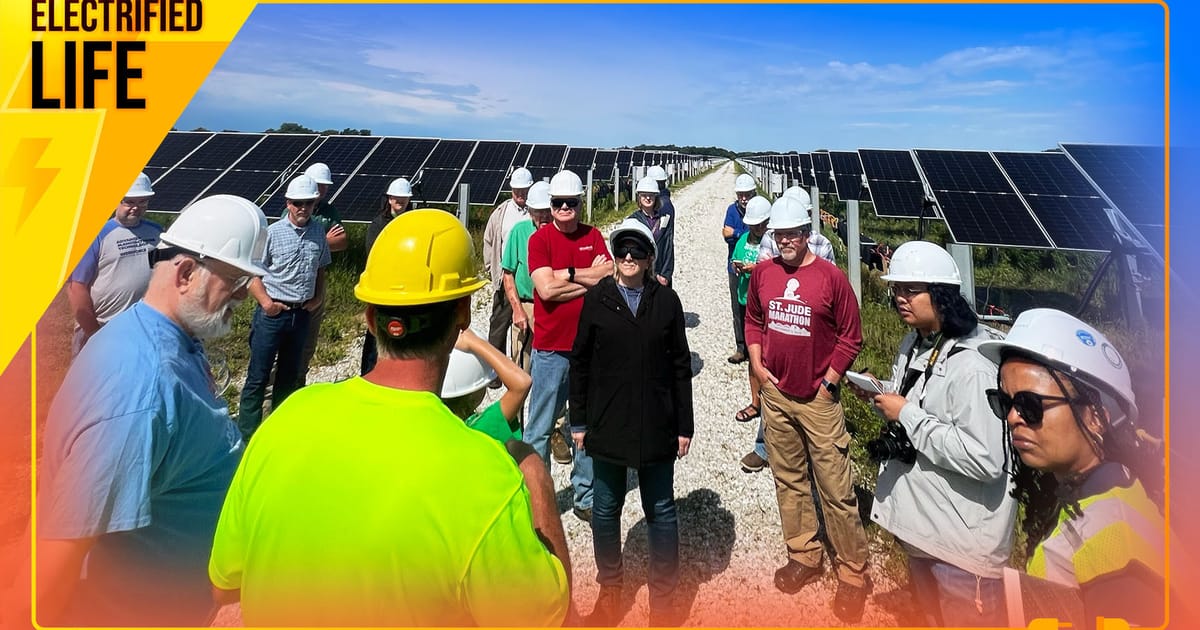
Community members can play a crucial role in supporting renewable energy projects, such as wind farms, in their areas. A recent case in Coles County, Illinois, highlighted the importance of public advocacy when a proposed wind farm faced opposition. Engaging with local initiatives can help ensure the growth of clean energy sources, which is vital for sustainable development.
Share this story
Why it matters
- ✓Increased renewable energy projects can lead to more accessible charging infrastructure for EV owners.
- ✓Support for local renewable projects can help stabilize energy prices, benefiting EV ownership costs.
- ✓Community engagement in renewable initiatives can improve the overall availability of clean energy, enhancing day-to-day use of electric vehicles.
Advocating for Local Renewable Energy Projects: A Guide
Community members can significantly influence the future of renewable energy projects in their areas. The recent debate in Coles County, Illinois, over a proposed wind farm serves as a compelling example of how local advocacy can shape energy initiatives. This article explores the importance of supporting renewable energy projects and how it directly impacts electric vehicle (EV) buyers and owners.
What Changed
In Coles County, Illinois, a proposed wind farm faced potential cancellation due to local opposition. Community member Dorothy Macy stepped forward to advocate for the project, emphasizing the need for renewable energy sources in the region. This situation underscores the critical role that individuals can play in supporting clean energy initiatives, which are essential for transitioning to sustainable power sources.
Why It Matters for Buyers/Owners
The push for renewable energy projects like wind farms is not just an environmental issue; it has direct implications for EV buyers and owners:
- Increased Charging Infrastructure: As more renewable energy projects come online, they can lead to the development of additional charging stations powered by clean energy, making it easier for EV owners to charge their vehicles.
- Stabilized Energy Prices: A greater reliance on renewable energy can help stabilize energy prices, which is beneficial for EV owners who are concerned about electricity costs associated with charging their vehicles.
- Enhanced Availability of Clean Energy: Supporting local renewable initiatives can improve the overall availability of clean energy, making it easier for EV owners to use their vehicles without relying on fossil fuels.
Key Details from Source Material
According to Canary Media, the Electrified Life column highlights the importance of community engagement in renewable energy projects. The case of Dorothy Macy in Coles County illustrates how individual voices can make a difference in local energy debates. Advocacy for renewable energy not only supports environmental goals but also aligns with the interests of EV owners who benefit from a cleaner energy grid.
What to Watch Next
As the situation in Coles County develops, it will be important to monitor the outcomes of community advocacy efforts. Future discussions may reveal more about how local governments respond to public support for renewable energy projects. Additionally, keeping an eye on similar initiatives in other regions can provide insights into effective strategies for advocating for clean energy, which ultimately benefits EV buyers and owners.
In conclusion, standing up for renewable energy projects is essential for fostering a sustainable future. Community members have the power to influence local energy policies, which can lead to a more robust infrastructure for electric vehicles and a cleaner environment.
Sources
These are the documents and reports used to build this brief so readers can verify the story directly.
- How to stick up for renewable energy projects near you — Canary MediaMEDIA
Reporting notes
EV Signal briefs are written to explain the verified change first, then add the context EV buyers and owners need to understand cost, availability, charging access, eligibility, or ownership impact.
If details are still developing, we try to say what is confirmed, what comes from secondary reporting, and what readers should verify before acting.
Source mix
1 linked source
1 media
Reviewed from: Canary Media.
Comments
Log in with
Loading comments…
More in Ownership

Importance of Inductor Efficiency in Power Supply Design for EVs
Improving inductor efficiency is crucial for battery-powered applications, particularly in electric…
1h ago

Lucid Motors Partners with Bolt for Potential Robotaxi Service in Europe
Lucid Motors has announced a partnership with the mobility platform Bolt to explore the potential…
1h ago
LA Metro Approves Purchase of 220 Battery-Electric Transit Buses
LA Metro has approved the acquisition of 220 new battery-electric buses, marking one of the largest…
1h ago

Boring Co. to Build 30-Minute Austin to San Antonio Tunnel
Elon Musk has announced that The Boring Company is developing a high-speed underground transit link…
1h ago