7 Reasons Rural Drivers Should Embrace EVs in 2027
Rural drivers are encouraged to adopt electric vehicles (EVs) in 2027 due to significant savings on fuel, the availability of electric trucks, and the convenience of home charging. With the potential to save over $4,000 annually, EVs also offer energy independence and the ability to provide backup power during outages. These benefits make EVs a compelling choice for rural communities.

Key takeaways
30-second read- 1Rural drivers can save over $4,000 annually on fuel by switching to EVs, making them a cost-effective option.
- 2The availability of affordable electric trucks expands choices for rural drivers who need utility vehicles.
- 3Home charging is more feasible for rural households, allowing for convenient overnight charging at lower costs.
Confirmed
No official source linked yet
Reported
Secondary reporting: Electrek
Verify yourself
Eligibility, local prices and dates for your car, state or utility

Rural drivers are being urged to embrace electric vehicles (EVs) in 2027, as they stand to gain numerous benefits that are particularly relevant to their lifestyles. With the rising costs of fuel and the increasing availability of electric trucks, the transition to EVs is becoming more appealing than ever.
What changed
One of the most significant changes for rural drivers is the potential for substantial savings. According to a study by the Rural Climate Partnership, rural drivers spend an average of 44% more on fuel than their urban counterparts. The top 3.6% of rural drivers, often referred to as "supermilers," could save over $4,000 annually by switching to electric fuel. This financial incentive is a major reason for rural drivers to consider EVs.
Why it matters for buyers and owners
- Cost Savings: The potential to save over $4,000 annually on fuel makes EVs a financially attractive option for rural drivers.
- Electric Truck Availability: The market now offers a variety of electric trucks and SUVs that cater to the needs of rural drivers, providing utility without the high price tag.
- Home Charging Convenience: With 80% of rural households having access to a driveway or garage, home charging becomes a practical solution, allowing drivers to charge overnight at lower rates.
Key details
The current landscape for electric vehicles includes a growing number of electric trucks that are not only capable but also more affordable than in previous years. Companies like Ford and others are producing electric pickups that can handle the demands of rural life, from towing to off-road capabilities. Additionally, many rural drivers can take advantage of home charging setups, which are often more feasible than public charging stations, especially in areas where only 45% of counties have access to DC fast charging.
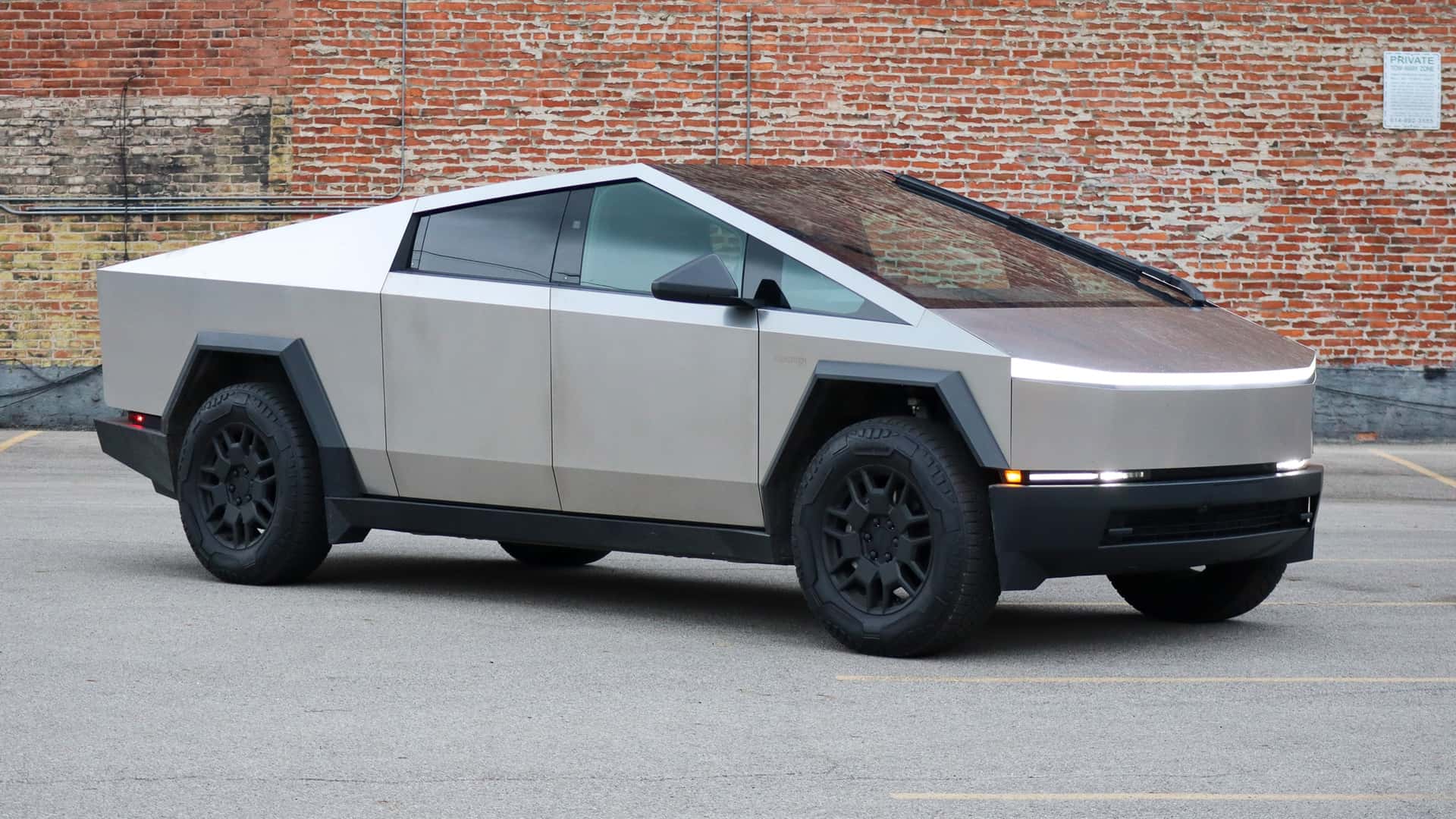
Moreover, the ability of EVs to provide backup power during outages is particularly beneficial for rural communities that may face extreme weather conditions. Vehicles like the Ford F-150 Lightning and Tesla Cybertruck are equipped with technology that allows them to power household essentials during emergencies, adding another layer of practicality for rural owners.
What to watch next
As the EV market continues to evolve, rural drivers should keep an eye on new models and incentives that may further lower the cost of ownership. The expansion of charging infrastructure is also critical, as more rural areas gain access to fast charging options. Additionally, the ongoing development of battery technology and recycling efforts will likely enhance the sustainability and affordability of electric vehicles in the coming years.
In conclusion, the shift towards electric vehicles presents a unique opportunity for rural drivers in 2027. With significant savings, practical benefits, and a growing range of options, embracing EVs could lead to a more sustainable and cost-effective driving experience.
Buying guide: Best Level 2 Home EV Charger (2026): How to Choose
Sources
1 media- [1]Here are 7 great reasons rural drivers SHOULD embrace EVs in 2027Media
Electrek · electrek.co · published Nov 21
Newsletter
Weekly EV signal. No spam.
Comments
Log in with
Loading comments…