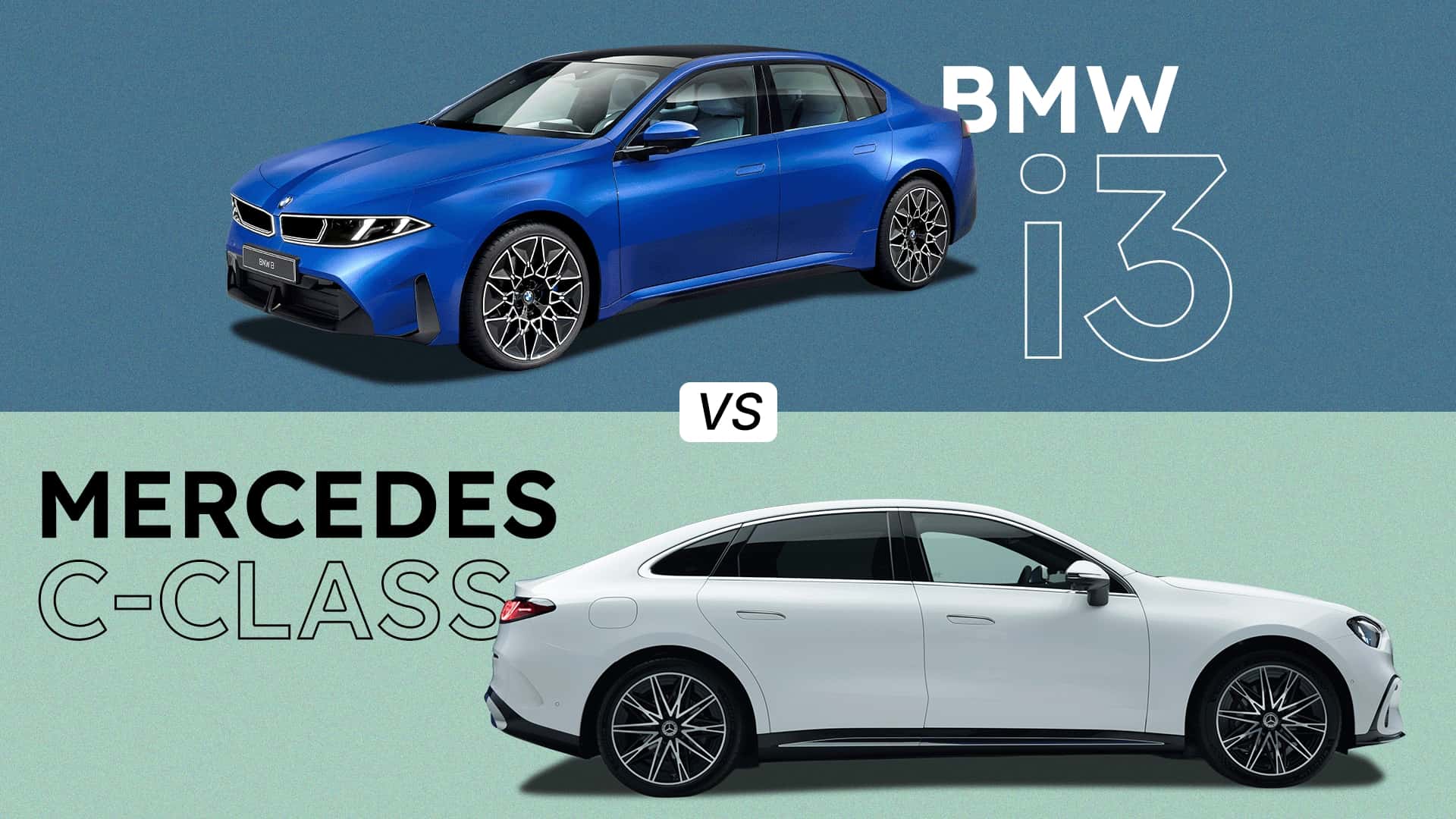
2027 Mercedes C-Class EV vs. 2027 BMW i3: A Comparative Overview
Updated April 22, 2026
3 min read
1 linked source
The 2027 Mercedes C-Class EV and the 2027 BMW i3 are set to enter the market, each targeting different aspects of the electric vehicle landscape. The C-Class EV leans towards luxury, while the BMW i3 emphasizes advanced EV technology and a departure from traditional design. Buyers will need to consider their preferences for luxury versus cutting-edge tech when making a decision.
Share this story
Why it matters
- ✓Potential buyers will need to weigh luxury features against innovative EV technology when choosing between the two models.
- ✓Understanding the differences may influence ownership costs, as luxury vehicles often come with higher maintenance and insurance costs.
- ✓Availability and pricing details are still emerging, which could impact buyers' decisions in the near future.
Reporting notes
EV Signal briefs are written to explain the verified change first, then add the context EV buyers and owners need to understand cost, availability, charging access, eligibility, or ownership impact.
If details are still developing, we try to say what is confirmed, what comes from secondary reporting, and what readers should verify before acting.
Source mix
1 linked source
1 media
Reviewed from: InsideEVs.
Overview of the 2027 Mercedes C-Class EV and BMW i3
The upcoming models of the 2027 Mercedes C-Class EV and the 2027 BMW i3 are poised to offer distinct experiences for electric vehicle enthusiasts. The C-Class EV is expected to focus on luxury, appealing to buyers who prioritize comfort and high-end features. In contrast, the BMW i3 aims to push the boundaries of electric vehicle technology, appealing to those who are more interested in innovation and breaking away from traditional automotive design.
What Changed
The introduction of these two models marks a significant shift in the electric vehicle market, with each brand taking a different approach. The Mercedes C-Class EV is designed to attract luxury car buyers, while the BMW i3 is set to appeal to tech-savvy consumers looking for advanced features and a modern aesthetic. This differentiation highlights the evolving landscape of electric vehicles, where manufacturers are tailoring their offerings to meet diverse consumer preferences.
Why It Matters for Buyers/Owners
Understanding the differences between the C-Class EV and the i3 is crucial for potential buyers:
- Luxury vs. Technology: Buyers will need to decide whether they value luxury features or cutting-edge technology more in their electric vehicle.
- Ownership Costs: Luxury vehicles like the C-Class EV may incur higher maintenance and insurance costs compared to the more tech-focused i3, which could affect long-term ownership expenses.
- Emerging Details: As both models are still in development, potential buyers should stay informed about pricing and availability, which could influence their purchasing decisions.
Key Details from Source Material
According to InsideEVs, the Mercedes C-Class EV is designed to cater to the luxury segment, emphasizing comfort, high-quality materials, and advanced driver-assistance systems. On the other hand, the BMW i3 is expected to focus on innovative electric vehicle technology, potentially offering features that break away from conventional automotive design. This contrast in focus suggests that buyers will have distinct options based on their preferences.
What to Watch Next
As the release dates for both vehicles approach, more details regarding pricing, specifications, and availability are expected to emerge. Buyers should keep an eye on announcements from both Mercedes and BMW, as well as reviews and comparisons once the vehicles are tested on the road. This information will be critical in making an informed decision between the two models.
Sources
These are the documents and reports used to build this brief so readers can verify the story directly.
- 2027 Mercedes C-Class EV vs. 2027 BMW i3: Which Is Better? — InsideEVsMEDIA
Comments
Log in with
Loading comments…
More in Models & Pricing
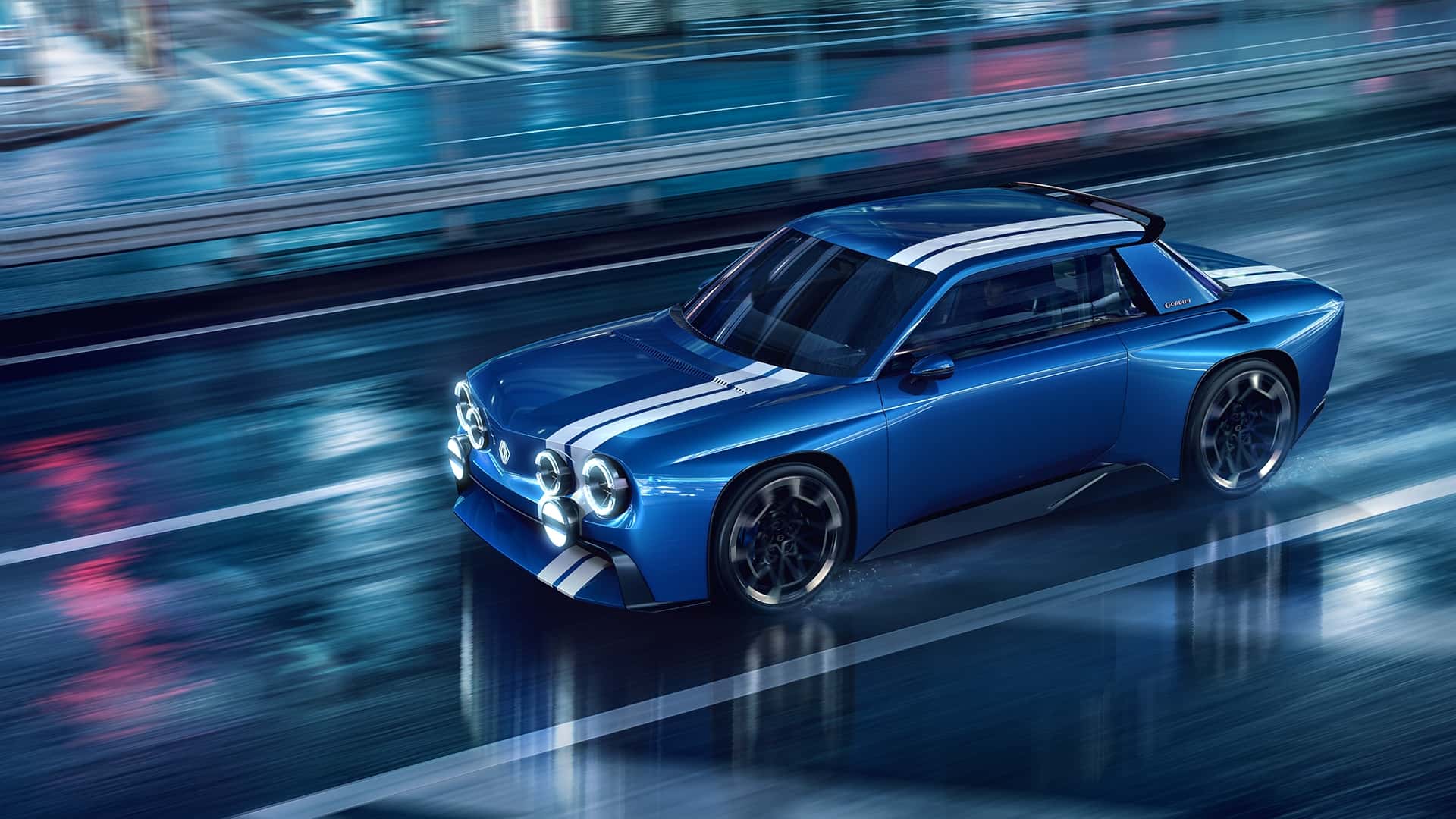
Renault 8 Gordini Returns as Rear-Wheel Drive EV
Renault has unveiled the return of the iconic Renault 8 Gordini as a rear-wheel drive electric…
Just now
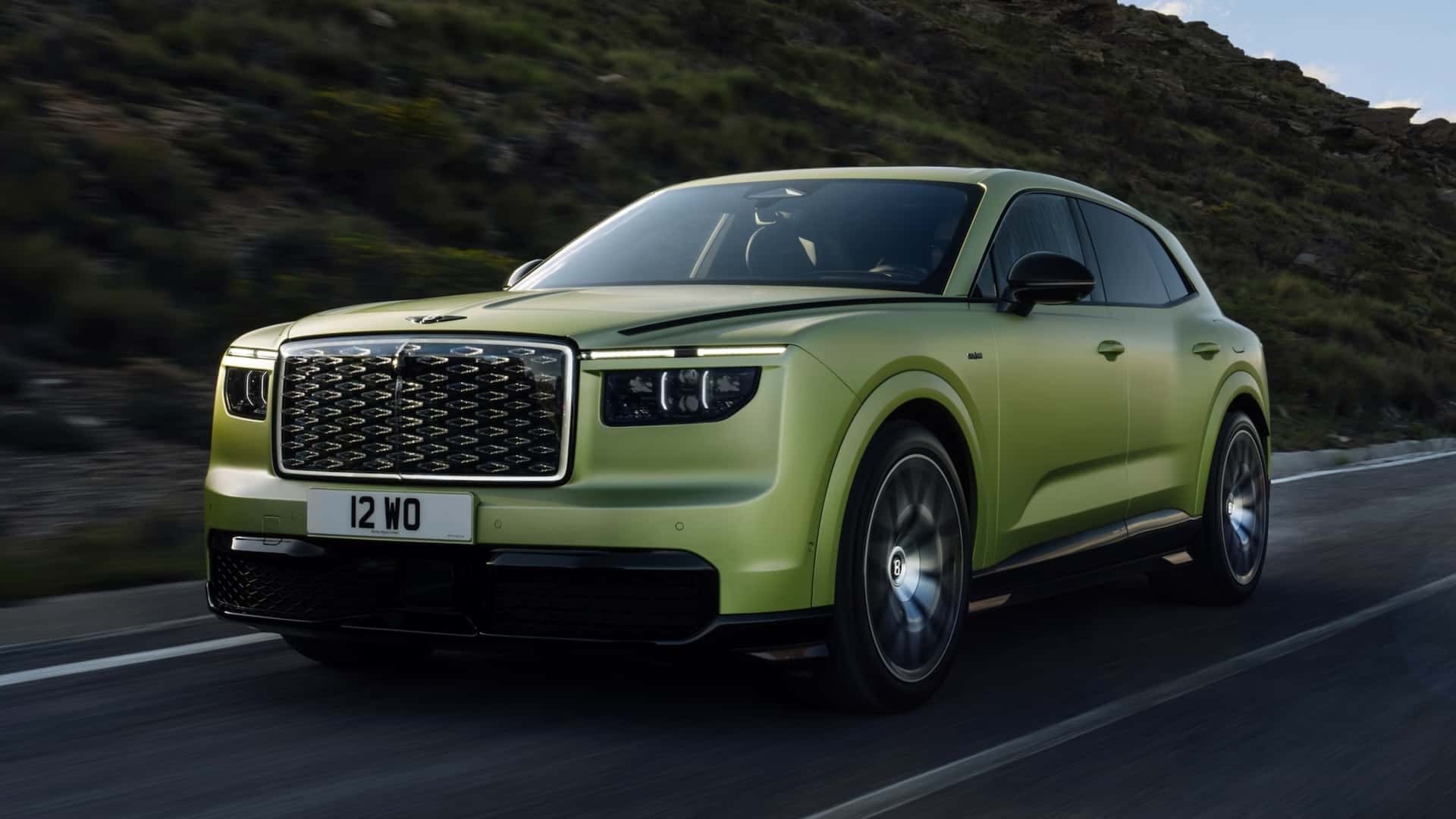
Bentley's First EV, the Torcal, Offers Rapid Charging Capabilities
Bentley has launched its first electric vehicle, the Torcal, a midsize SUV that boasts rapid…
12h ago
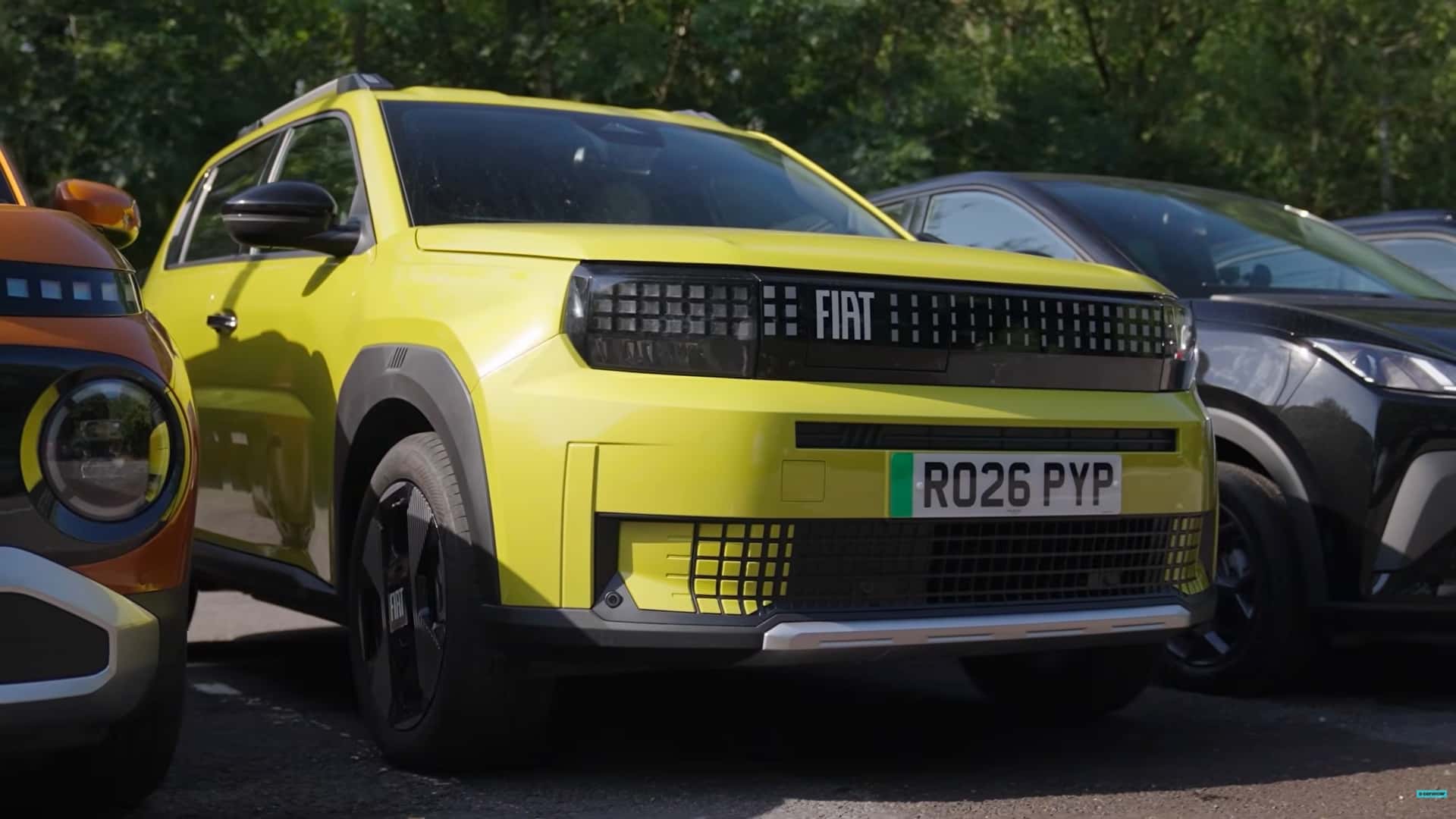
Fiat Grande Panda Outperforms Claimed Range in Real-World Test
In a recent highway range test, the Fiat Grande Panda exceeded its officially claimed range,…
12h ago
Bentley Launches Torcal, Its First All-Electric SUV
Bentley has officially unveiled the Torcal, marking its entry into the electric vehicle market.…
12h ago