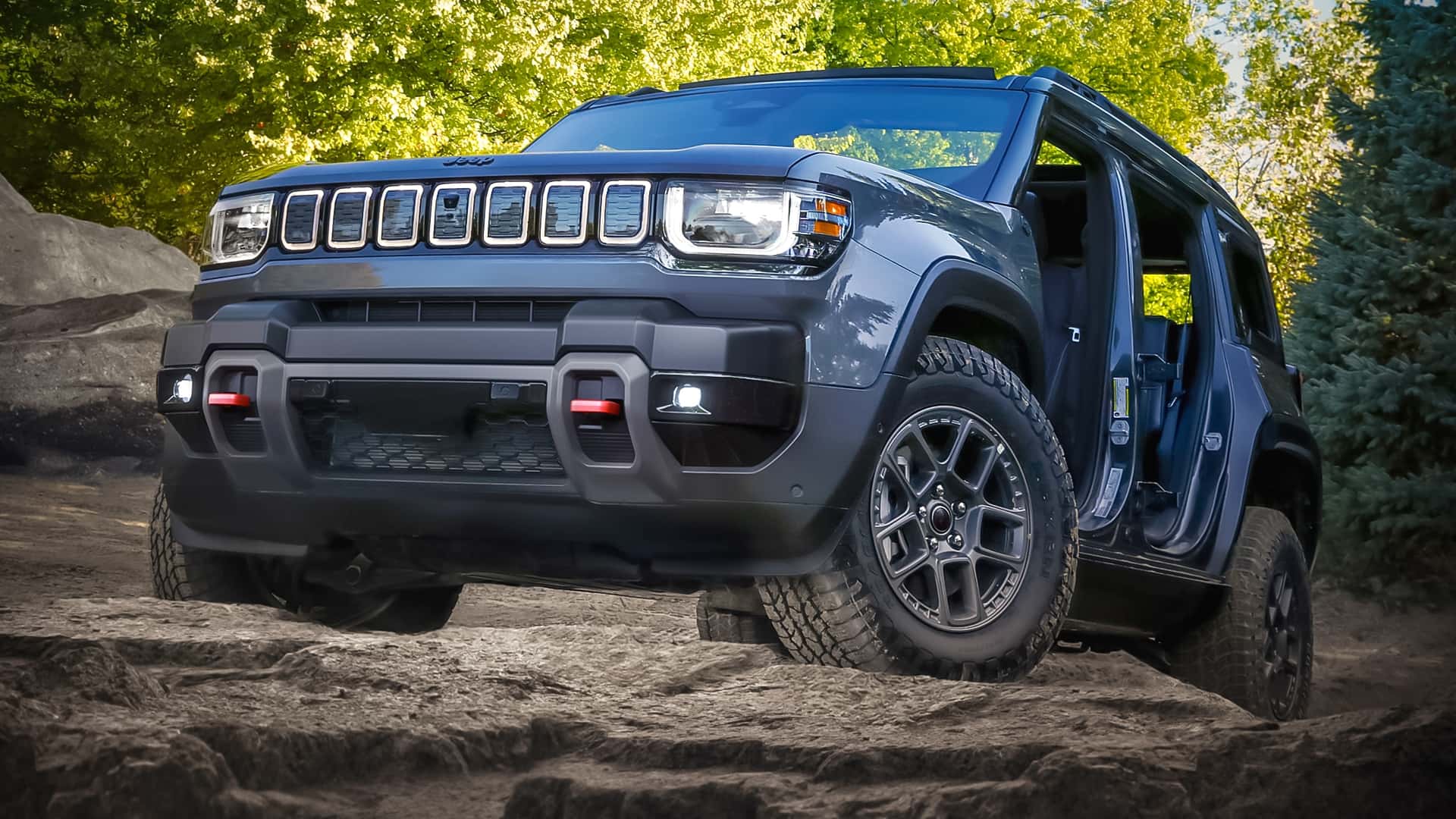
2026 Jeep Recon's EPA Rating Reveals Lower Than Expected Range
Updated June 18, 2026
3 min read
1 linked source
The EPA has officially rated the 2026 Jeep Recon's range at 230 miles, which is lower than the expectations set by Jeep. This rating positions the Recon as less efficient compared to competitors like the Rivian R2, raising concerns for potential buyers about its energy consumption. The lower range may affect the vehicle's appeal among off-road EV enthusiasts.
Share this story
Why it matters
- ✓The lower EPA rating may deter buyers looking for efficient long-range electric vehicles, especially in the off-road segment.
- ✓Potential owners may need to consider charging infrastructure and range anxiety when planning off-road excursions.
- ✓The Recon's performance compared to competitors could influence resale value and overall ownership costs.
Reporting notes
EV Signal briefs are written to explain the verified change first, then add the context EV buyers and owners need to understand cost, availability, charging access, eligibility, or ownership impact.
If details are still developing, we try to say what is confirmed, what comes from secondary reporting, and what readers should verify before acting.
Source mix
1 linked source
1 media
Reviewed from: InsideEVs.
2026 Jeep Recon's EPA Rating Reveals Lower Than Expected Range
The 2026 Jeep Recon has received its official EPA rating, confirming a range of 230 miles. This figure is notably lower than what Jeep had anticipated, raising concerns about the vehicle's efficiency compared to its competitors, particularly the Rivian R2.
What Changed
Jeep initially expected the Recon to achieve a range of approximately 230 miles on a single charge. However, the official EPA rating has confirmed this figure, which some analysts believe makes the Rivian R2 look more appealing in comparison. The Recon's energy consumption is now under scrutiny, as it may not meet the expectations of off-road enthusiasts who prioritize range and efficiency.
Why It Matters for Buyers/Owners
The lower EPA rating of the Jeep Recon has several implications for potential buyers and current EV owners:
- Market Positioning: The Recon's efficiency rating may deter buyers who are looking for a capable off-road EV with a competitive range. This could limit its market appeal in a growing segment of electric vehicles designed for adventure.
- Charging Considerations: With a confirmed range of 230 miles, owners may need to plan their charging stops more carefully, especially during off-road trips where charging infrastructure may be limited. This could lead to range anxiety for some users.
- Resale Value: As the market evolves, the Recon's lower efficiency compared to competitors could impact its resale value, making it less attractive in the long run.
Key Details from Source Material
According to InsideEVs, the Jeep Recon's EPA rating has positioned it as an energy guzzler in the EV market. The vehicle's range of 230 miles is a critical factor for buyers considering off-road capabilities, as it may not meet the expectations of those who prioritize long-distance travel and efficiency. The comparison to the Rivian R2 highlights the competitive landscape in the electric vehicle market, where efficiency and range are key selling points.
What to Watch Next
As the 2026 Jeep Recon prepares for its market debut, it will be important to monitor consumer reactions and sales performance. Additionally, any updates from Jeep regarding improvements in range or efficiency could significantly impact the vehicle's reception. Potential buyers should also keep an eye on charging infrastructure developments, as this will play a crucial role in the overall ownership experience for off-road electric vehicles.
Sources
These are the documents and reports used to build this brief so readers can verify the story directly.
- The 2026 Jeep Recon’s EPA Rating Confirms It’s An Energy Guzzler — InsideEVsMEDIA
Comments
Log in with
Loading comments…
More in Models & Pricing
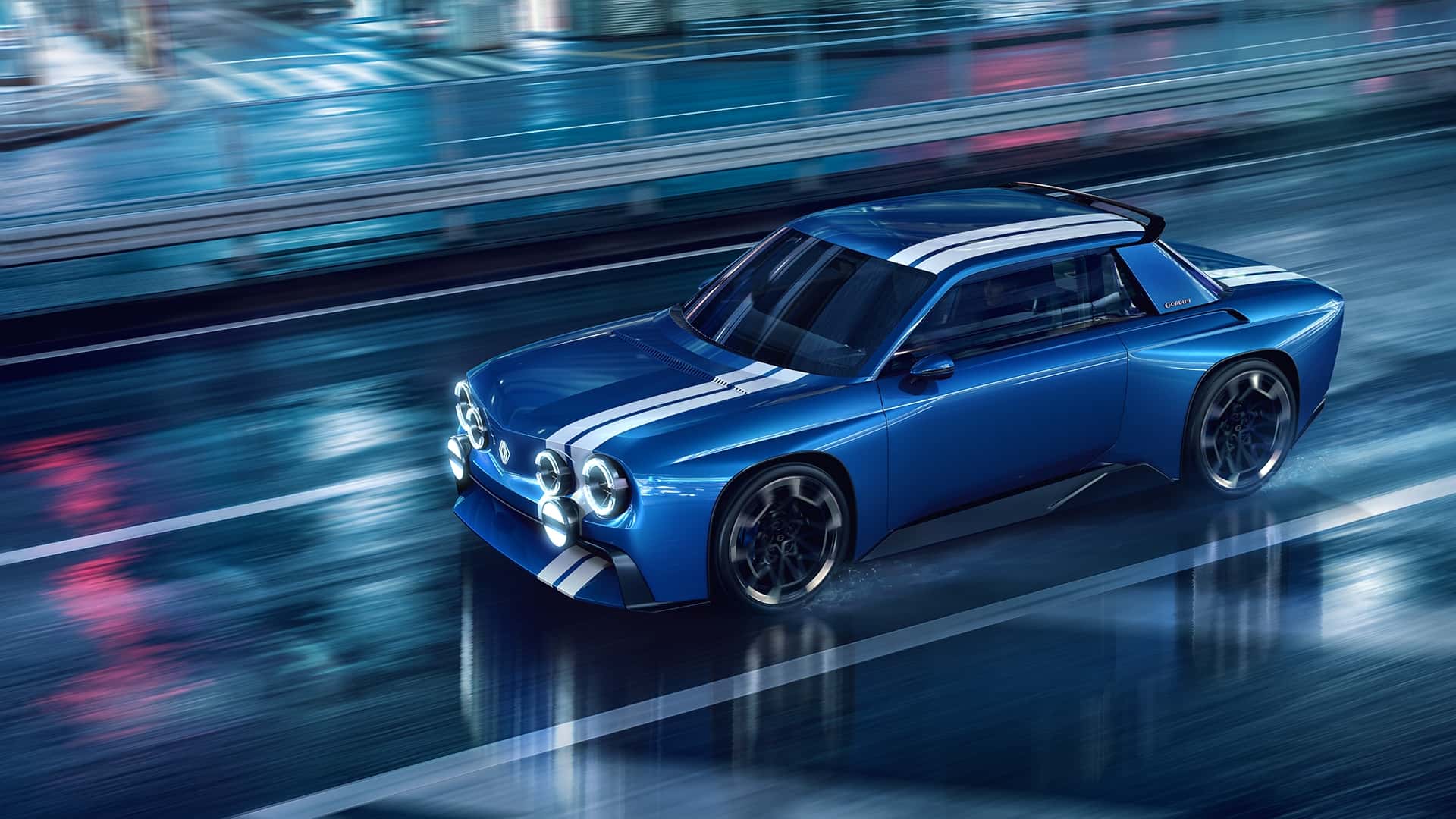
Renault 8 Gordini Returns as Rear-Wheel Drive EV
Renault has unveiled the return of the iconic Renault 8 Gordini as a rear-wheel drive electric…
Just now
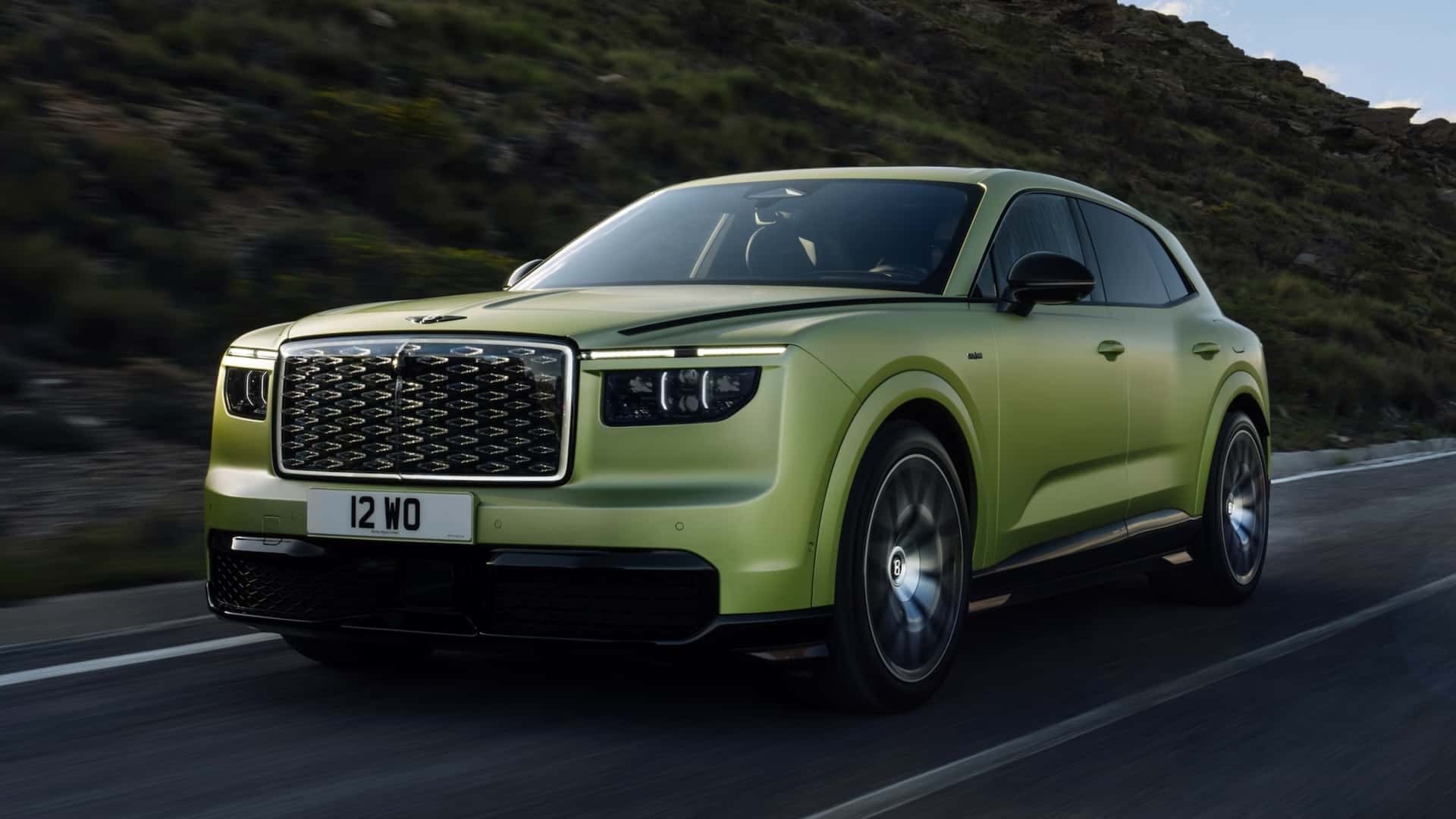
Bentley's First EV, the Torcal, Offers Rapid Charging Capabilities
Bentley has launched its first electric vehicle, the Torcal, a midsize SUV that boasts rapid…
12h ago
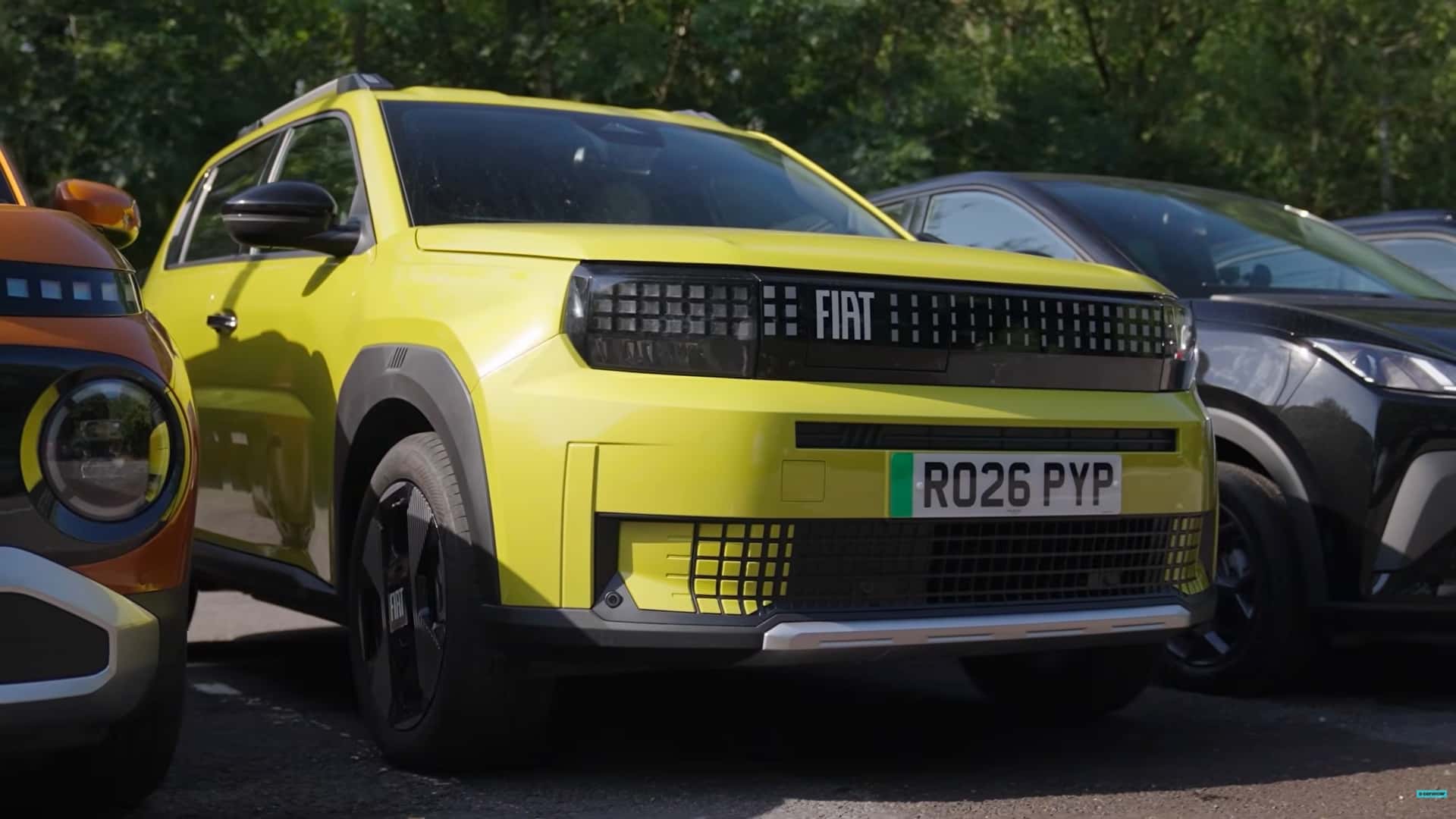
Fiat Grande Panda Outperforms Claimed Range in Real-World Test
In a recent highway range test, the Fiat Grande Panda exceeded its officially claimed range,…
12h ago
Bentley Launches Torcal, Its First All-Electric SUV
Bentley has officially unveiled the Torcal, marking its entry into the electric vehicle market.…
12h ago