
Understanding Eligibility for the Previously-Owned Clean Vehicles Credit
Updated April 4, 2026
3 min read
1 linked source
The IRS has provided detailed guidelines regarding eligibility rules for the Previously-Owned Clean Vehicles Credit. This credit is designed to incentivize the purchase of used electric vehicles (EVs) by offering tax benefits to eligible buyers. Understanding these rules is crucial for potential EV buyers looking to take advantage of this financial incentive.
Share this story
Why it matters
- ✓The Previously-Owned Clean Vehicles Credit can significantly reduce the overall cost of purchasing a used EV, making it more accessible for buyers.
- ✓Awareness of eligibility criteria helps buyers avoid potential pitfalls that could disqualify them from receiving the credit.
- ✓This initiative supports the broader adoption of electric vehicles, contributing to environmental sustainability.
Reporting notes
EV Signal briefs are written to explain the verified change first, then add the context EV buyers and owners need to understand cost, availability, charging access, eligibility, or ownership impact.
If details are still developing, we try to say what is confirmed, what comes from secondary reporting, and what readers should verify before acting.
Source mix
1 linked source
1 official
Reviewed from: IRS EV Credits.
Understanding Eligibility for the Previously-Owned Clean Vehicles Credit
The IRS has recently clarified the eligibility rules for the Previously-Owned Clean Vehicles Credit, a financial incentive aimed at encouraging the purchase of used electric vehicles (EVs). This credit is part of a broader effort to promote the adoption of cleaner transportation options and reduce greenhouse gas emissions. Below, we delve into the key aspects of this credit, including who qualifies, what vehicles are eligible, and how buyers can benefit from this initiative.
What is the Previously-Owned Clean Vehicles Credit?
The Previously-Owned Clean Vehicles Credit is a tax credit available to individuals who purchase a used electric vehicle. This credit is designed to make EVs more affordable for a wider range of consumers, thereby increasing the number of electric vehicles on the road. The credit can provide significant savings, making it an attractive option for potential buyers.
Eligibility Criteria
To qualify for the Previously-Owned Clean Vehicles Credit, buyers must meet certain eligibility requirements:
-
Vehicle Requirements: The vehicle must be a previously-owned electric vehicle that meets specific criteria set by the IRS. This includes requirements related to the vehicle's battery capacity and its classification as a clean vehicle.
-
Purchase Price: The purchase price of the used EV must not exceed a certain threshold, which is defined by the IRS. This ensures that the credit is targeted towards more affordable used vehicles.
-
Income Limits: There are income limits in place for buyers to qualify for the credit. These limits are designed to ensure that the credit is accessible to a broader range of consumers, particularly those who may benefit most from financial assistance in purchasing a vehicle.
-
Previous Ownership: The vehicle must have had at least one previous owner. This rule is in place to differentiate between new and used vehicles, as the credit is specifically aimed at promoting the purchase of used EVs.
How to Claim the Credit
Eligible buyers can claim the Previously-Owned Clean Vehicles Credit when filing their federal income tax returns. It is important for buyers to keep thorough documentation of their purchase, including the sales receipt and any relevant vehicle information, to support their claim for the credit. The IRS provides guidelines on how to properly claim the credit, which can be found on their official website.
Implications for EV Buyers
The introduction of the Previously-Owned Clean Vehicles Credit has several implications for potential EV buyers:
-
Cost Savings: The credit can significantly lower the effective purchase price of a used EV, making it a more financially viable option for many consumers. This can encourage more buyers to consider electric vehicles as an alternative to traditional gasoline-powered cars.
-
Increased Accessibility: By targeting used vehicles, the credit opens up the EV market to a wider audience, including those who may not have the budget for new electric vehicles. This can help to diversify the types of consumers who are able to participate in the transition to electric mobility.
-
Environmental Impact: As more consumers purchase used EVs, the overall number of electric vehicles on the road will increase, contributing to reduced emissions and a smaller carbon footprint. This aligns with broader environmental goals and initiatives aimed at combating climate change.
Conclusion
The Previously-Owned Clean Vehicles Credit represents a significant step towards making electric vehicles more accessible to a wider range of consumers. By understanding the eligibility rules and requirements, potential buyers can take full advantage of this credit, ultimately leading to cost savings and a positive impact on the environment. As the market for used EVs continues to grow, staying informed about available incentives will be crucial for buyers looking to make sustainable choices in their vehicle purchases.
Sources
These are the documents and reports used to build this brief so readers can verify the story directly.
Comments
Log in with
Loading comments…
More in Incentives
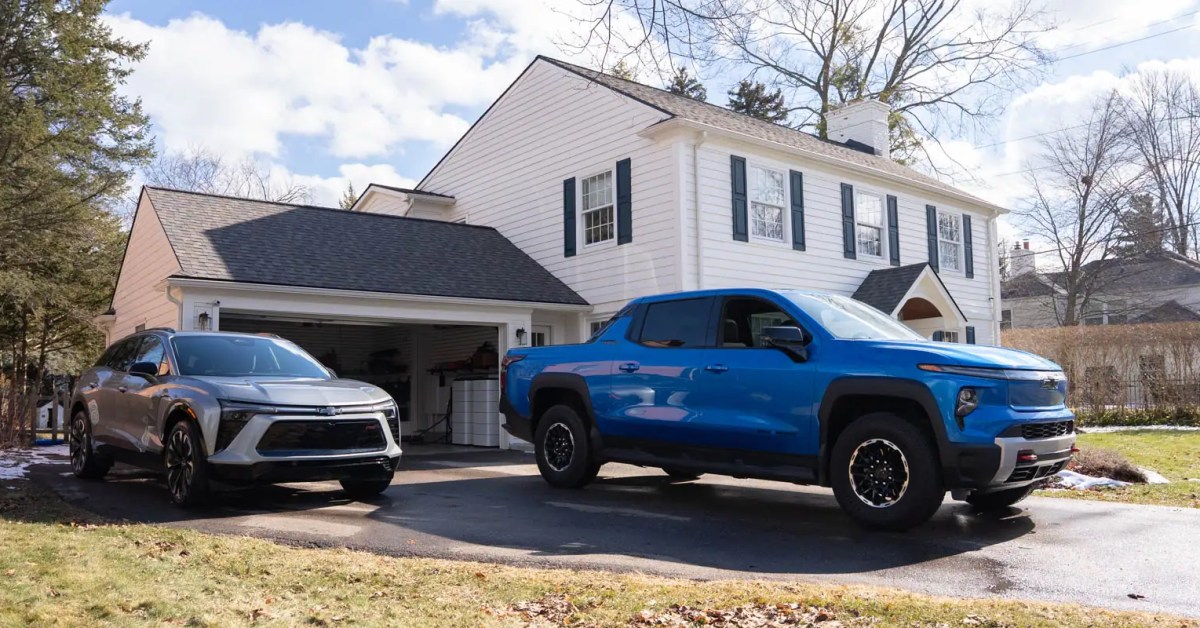
GM and PG&E Offer Free Charger and Incentives for New EV Buyers in California
General Motors (GM) and Pacific Gas and Electric (PG&E) have launched a new initiative for buyers…
17h ago
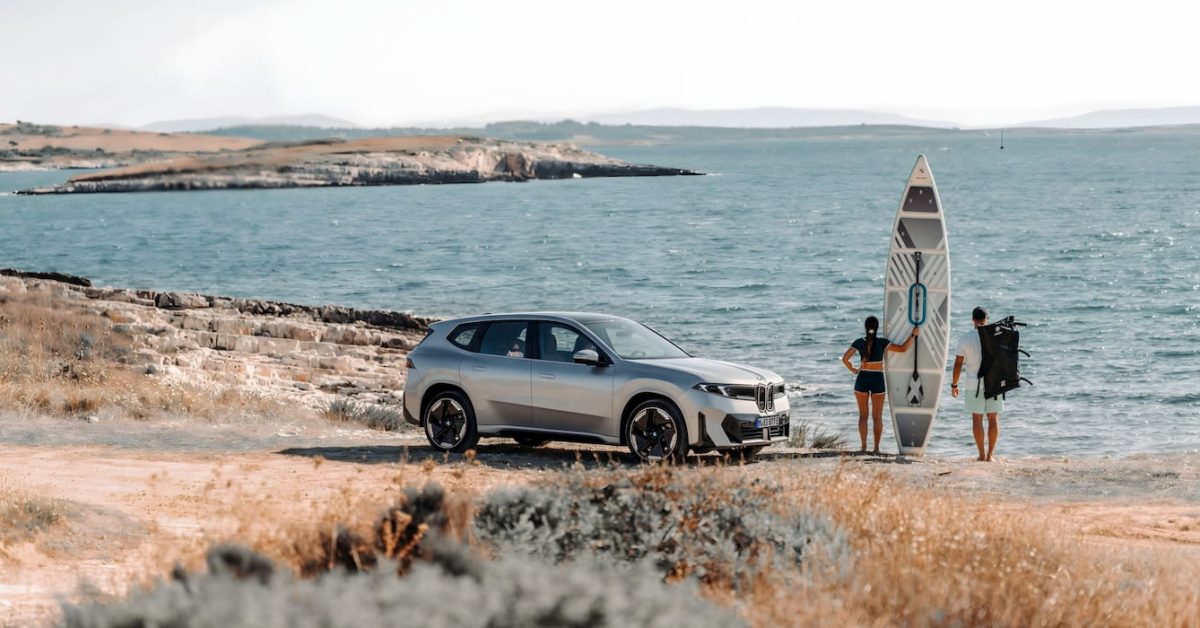
BMW Offers Early Loyalty Discount on 2027 iX3
BMW is introducing an early loyalty discount for the newly released 2027 iX3 to encourage existing…
1d ago
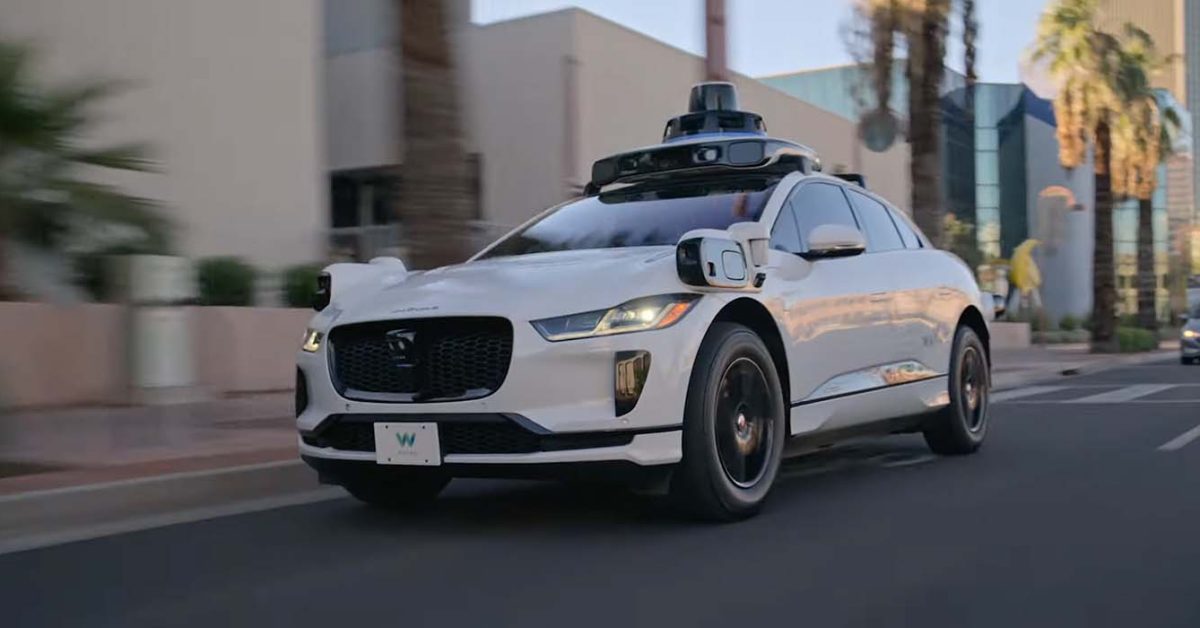
Waymo Offers $2.85 Credit for Public Transit Pairing
Waymo has expanded its pilot program to offer riders a $2.85 credit when they pair a ride with…
1d ago

Climate XChange Launches 11th Annual EV Raffle with Increased Prizes
Climate XChange is expanding its 11th Annual EV Raffle, offering participants the chance to win up…
4d ago