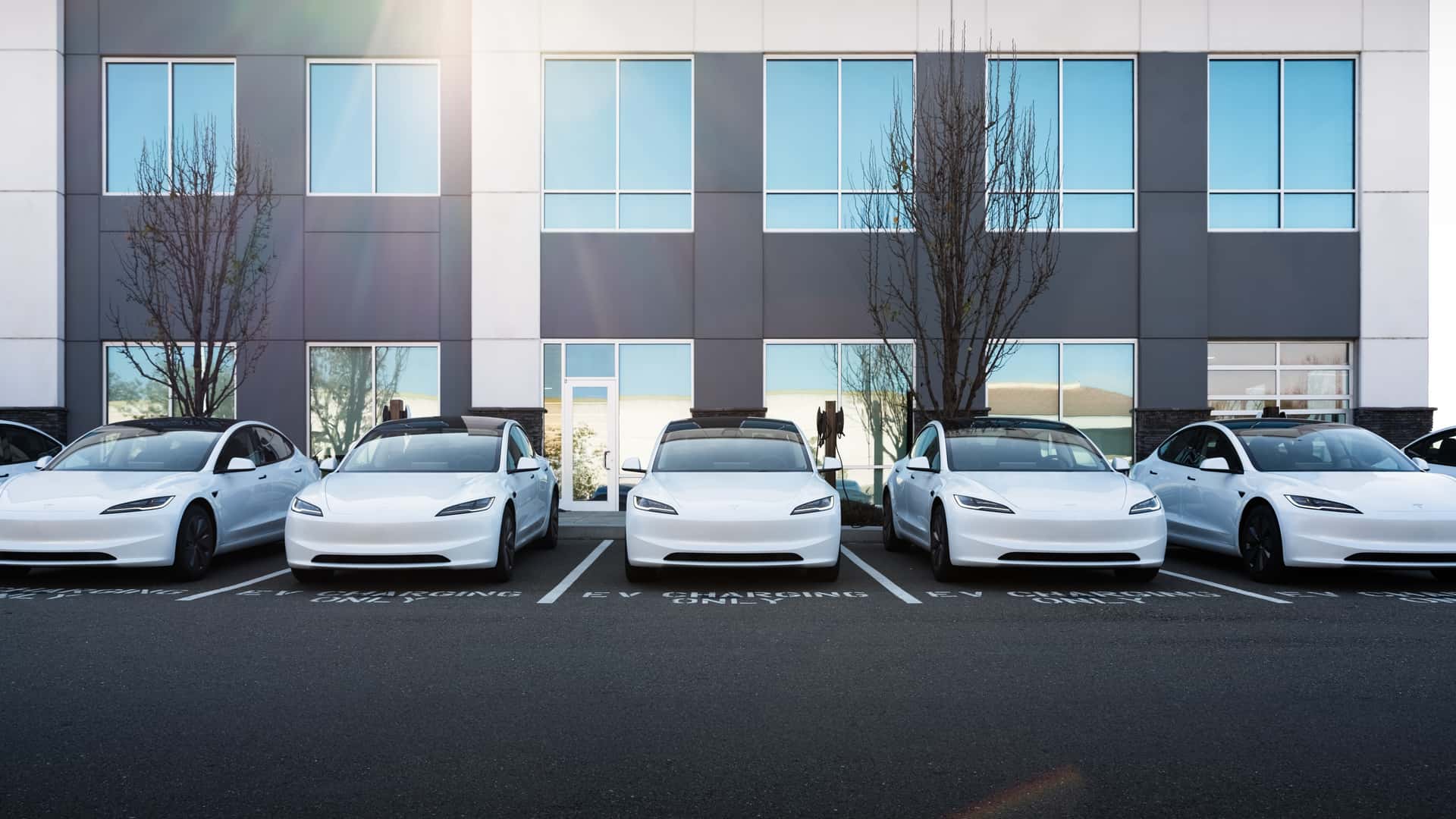
Tesla Reclaims Top Spot in Global EV Market as BYD Sales Decline
Updated April 6, 2026
3 min read
1 linked source
In a significant turn of events, Tesla has regained its position as the world's leading electric vehicle (EV) manufacturer in 2026, following a notable 25% drop in sales for BYD. This shift marks a comeback for Tesla, which lost its top ranking to BYD last year. The changing dynamics in the EV market highlight the competitive landscape and the challenges faced by manufacturers.
Share this story
Why it matters
- ✓Tesla's regained leadership may lead to increased innovation and investment in EV technology, benefiting consumers.
- ✓A decline in BYD's sales could impact the availability and pricing of their models, affecting potential buyers.
- ✓The competitive landscape may drive down prices and improve options for EV owners and buyers.
Reporting notes
EV Signal briefs are written to explain the verified change first, then add the context EV buyers and owners need to understand cost, availability, charging access, eligibility, or ownership impact.
If details are still developing, we try to say what is confirmed, what comes from secondary reporting, and what readers should verify before acting.
Source mix
1 linked source
1 media
Reviewed from: InsideEVs.
Tesla Reclaims Top Spot in Global EV Market as BYD Sales Decline
In a significant turn of events, Tesla has reclaimed its position as the world's leading electric vehicle (EV) manufacturer in 2026. This comes after a notable 25% drop in sales for BYD, the Chinese automaker that had previously surpassed Tesla in sales last year. The shift in market dynamics underscores the competitive nature of the EV industry and the challenges faced by manufacturers in maintaining their market positions.
Tesla's Comeback
After losing its top ranking to BYD in 2025, Tesla's resurgence in 2026 is a testament to the company's ability to adapt and innovate in a rapidly changing market. The American automaker has consistently focused on expanding its production capabilities, enhancing its vehicle lineup, and improving customer satisfaction. These efforts appear to have paid off, as Tesla has once again positioned itself at the forefront of the global EV market.
BYD's Sales Decline
In contrast to Tesla's success, BYD has experienced a significant decline in sales, with a reported 25% drop. This downturn raises questions about the company's strategies and market positioning. Factors contributing to BYD's sales slump may include increased competition, supply chain challenges, and shifts in consumer preferences. As a major player in the EV market, BYD's struggles could have broader implications for the industry, particularly in terms of pricing and availability of electric vehicles.
Implications for EV Buyers and Owners
The changing dynamics between Tesla and BYD have several implications for current and prospective EV buyers and owners.
-
Increased Innovation: Tesla's regained leadership may spur further innovation and investment in EV technology. This could lead to improved vehicle performance, longer ranges, and enhanced features, ultimately benefiting consumers.
-
Market Competition: The decline in BYD's sales might create opportunities for other manufacturers to capture market share. Increased competition can lead to more options for consumers, as well as potentially lower prices as companies vie for customer loyalty.
-
Availability of Models: A significant sales drop for BYD could impact the availability and pricing of their models. Prospective buyers may find that certain BYD vehicles become less accessible, while Tesla's resurgence may lead to increased production and availability of its popular models.
Conclusion
As the EV market continues to evolve, the competition between Tesla and BYD serves as a reminder of the industry's dynamic nature. Tesla's comeback in 2026 highlights its resilience and commitment to innovation, while BYD's sales decline raises important questions about its future strategies. For EV buyers and owners, these developments may lead to more choices, better technology, and competitive pricing in the electric vehicle landscape.
Sources
These are the documents and reports used to build this brief so readers can verify the story directly.
- Tesla Snatches Back World’s Top EV Spot After BYD Sales Plummet 25% — InsideEVsMEDIA
Comments
Log in with
Loading comments…
More in Buying
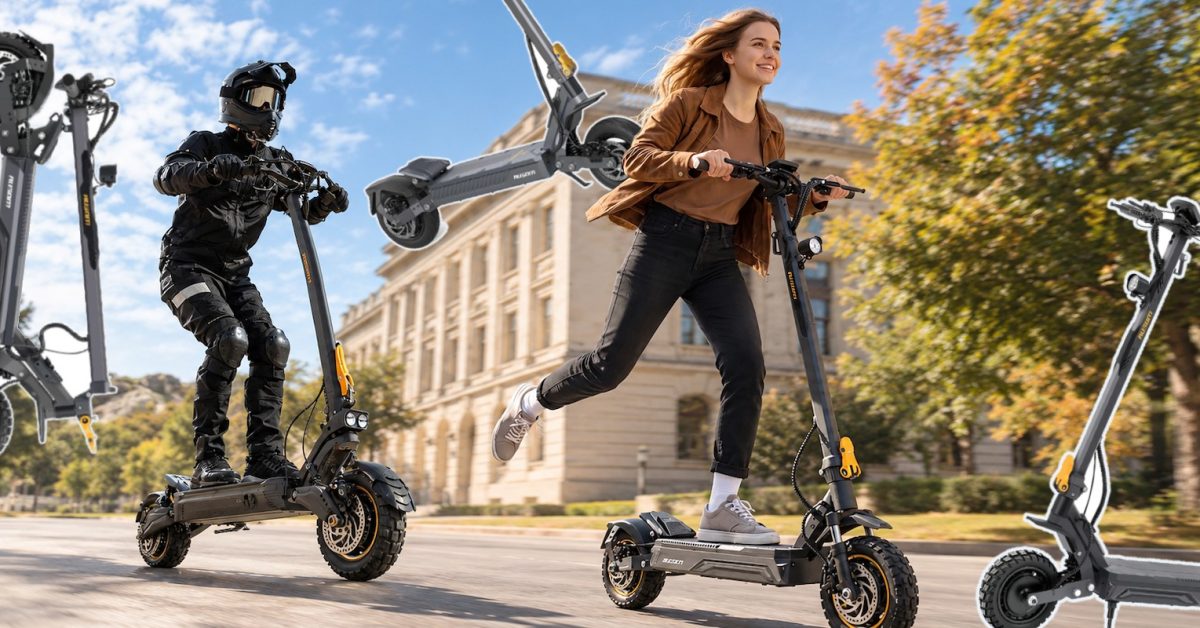
Ausom Launches Fall Sale on Electric Scooters
Ausom is holding a Fall Sale this month, offering discounts on its range of electric scooters,…
Just now
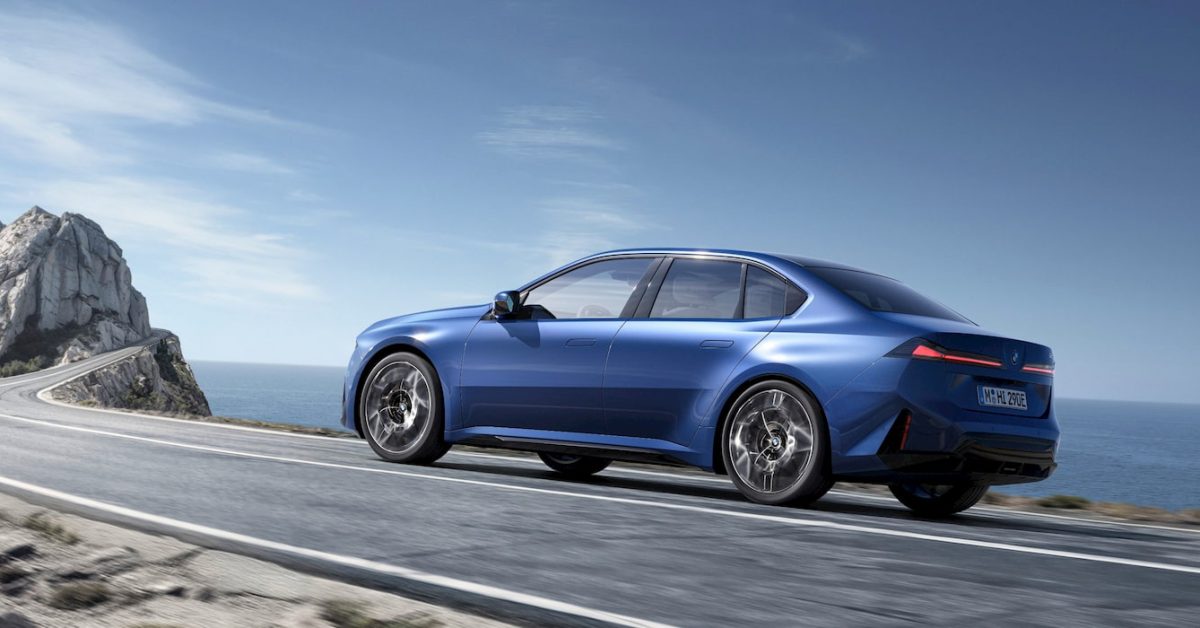
BMW Opens US Reservations for New i3 Ahead of Schedule
BMW has announced that it will open reservations for the new i3 in the United States earlier than…
12h ago
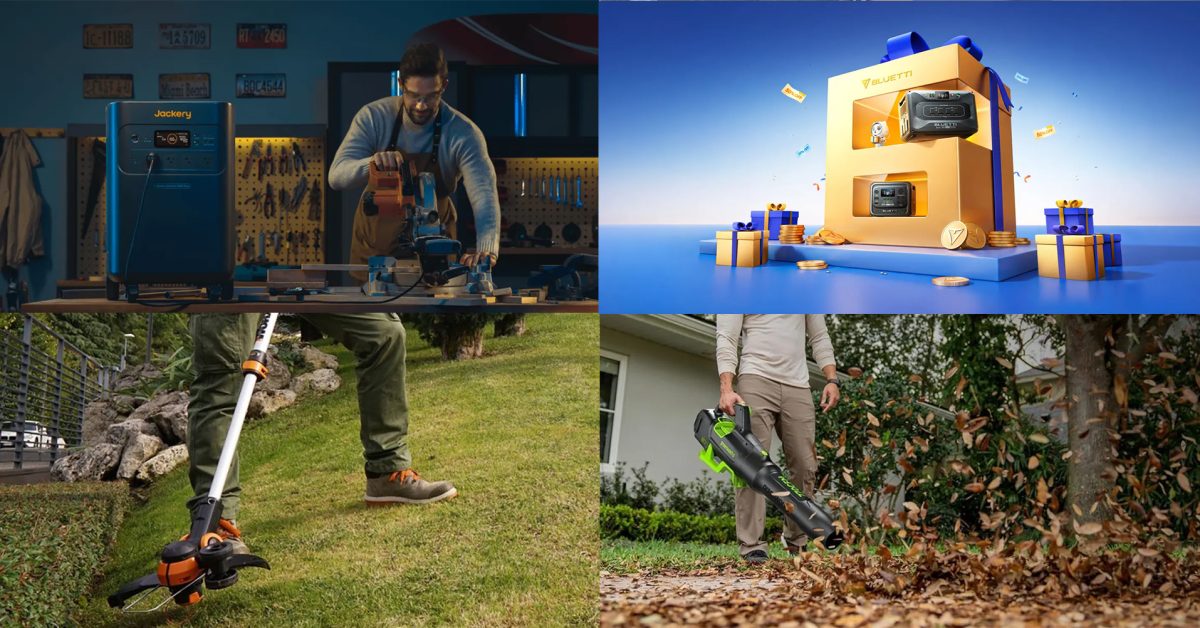
Jackery Explorer 5000 Plus Power Station Discounted by $1,000
The Jackery Explorer 5000 Plus Portable Power Station is now available for $1,499, reflecting a…
18h ago
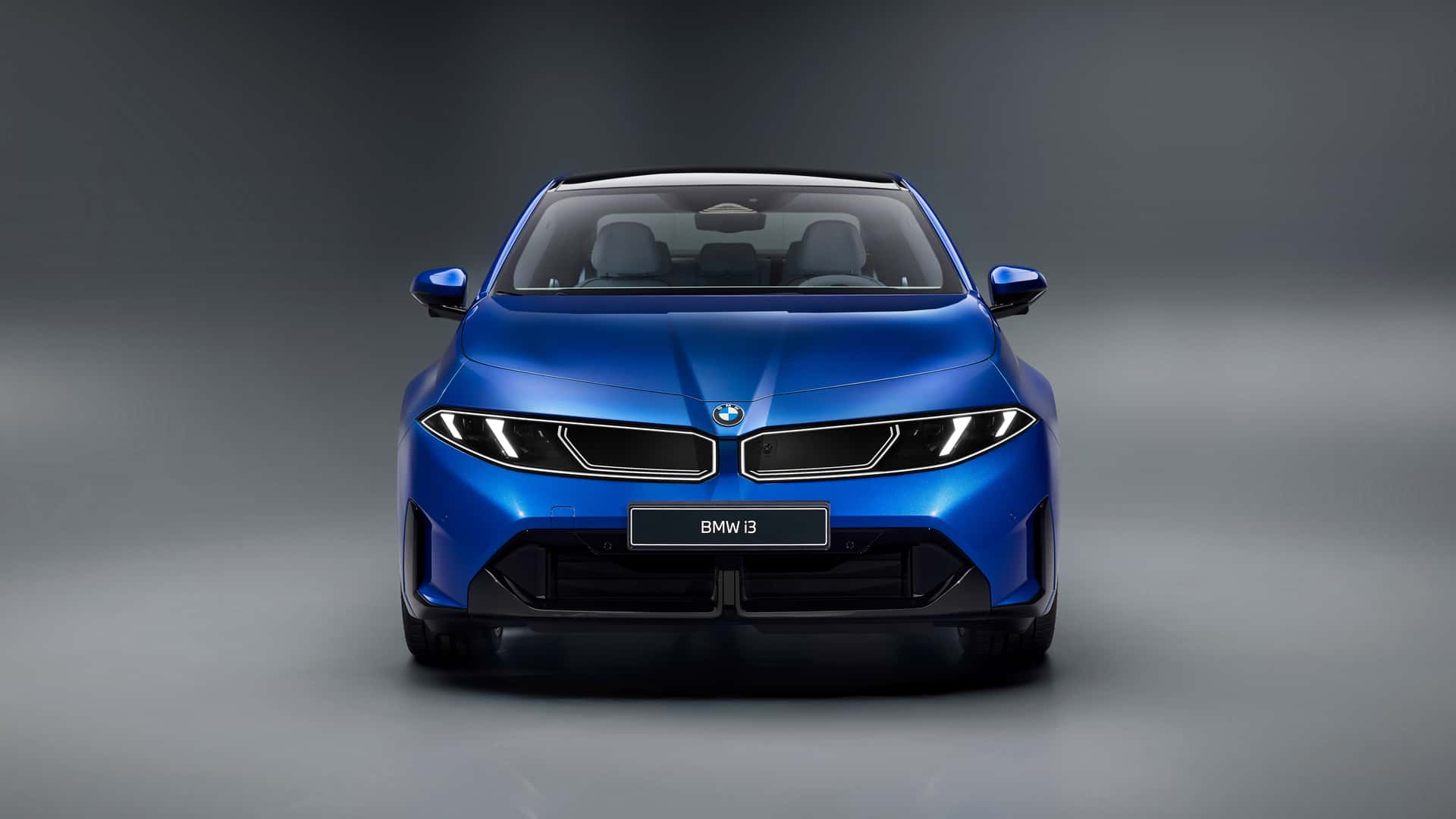
BMW i3 EV Reservations Open Early in the U.S.
BMW has announced that it will begin accepting reservations for the new i3 electric sedan ahead of…
1d ago