
Tesla Q1 2026 Deliveries Fall Short of Expectations
Updated April 2, 2026
3 min read
1 linked source
Tesla reported 358,023 vehicle deliveries for Q1 2026, falling short of Wall Street's expectations of 365,645 units. The company produced 408,386 vehicles during the quarter, resulting in an excess of over 50,000 vehicles added to inventory. This significant gap between production and deliveries raises concerns about demand and inventory management.
Share this story
Why it matters
- ✓Potential implications for Tesla's pricing strategy and inventory management could affect future vehicle availability.
- ✓Buyers may see increased competition in the EV market as Tesla adjusts its production and delivery strategies.
- ✓The delivery miss could signal a shift in consumer demand or market dynamics that may impact future EV purchases.
Reporting notes
EV Signal briefs are written to explain the verified change first, then add the context EV buyers and owners need to understand cost, availability, charging access, eligibility, or ownership impact.
If details are still developing, we try to say what is confirmed, what comes from secondary reporting, and what readers should verify before acting.
Source mix
1 linked source
1 media
Reviewed from: Electrek.
Tesla Q1 2026 Deliveries Fall Short of Expectations
Tesla has announced its production and delivery results for the first quarter of 2026, revealing a total of 358,023 vehicle deliveries. This figure is approximately 7,600 units below the Wall Street consensus estimate of 365,645 vehicles, raising questions about the company's performance in a competitive electric vehicle (EV) market.
Production vs. Deliveries
In addition to the disappointing delivery numbers, Tesla reported that it produced 408,386 vehicles during the same quarter. This discrepancy between production and deliveries is significant, as it resulted in over 50,000 vehicles being added to the company's inventory. Such a large build-up of excess vehicles in a single quarter could indicate potential issues with demand or inventory management strategies.
Implications for Tesla and the EV Market
The gap between production and deliveries is concerning for several reasons. First, it may suggest that Tesla is facing challenges in meeting consumer demand or that there is a shift in buyer preferences. As the EV market becomes increasingly crowded with competitors, Tesla may need to reassess its strategies to maintain its market share.
Additionally, the excess inventory could lead to potential pricing adjustments. If Tesla needs to move these vehicles off the lot, it may consider offering incentives or discounts, which could affect the overall pricing landscape for EVs. This situation may also impact Tesla's production plans moving forward, as the company will need to balance production levels with actual demand to avoid further inventory build-up.
Market Context
The EV market is rapidly evolving, with new entrants and established automakers expanding their electric offerings. As consumers become more discerning and have more options available, Tesla's ability to adapt to changing market conditions will be crucial. The company's performance in Q1 2026 may serve as a bellwether for its future strategies and overall health in the competitive landscape.
Conclusion
Tesla's Q1 2026 delivery results highlight the challenges the company faces in a dynamic EV market. With a significant gap between production and deliveries, Tesla must navigate potential demand issues and inventory management concerns. For EV buyers and owners, these developments could signal changes in pricing and availability as Tesla adjusts its strategies in response to market conditions.
Sources
These are the documents and reports used to build this brief so readers can verify the story directly.
Comments
Log in with
Loading comments…
More in Ownership
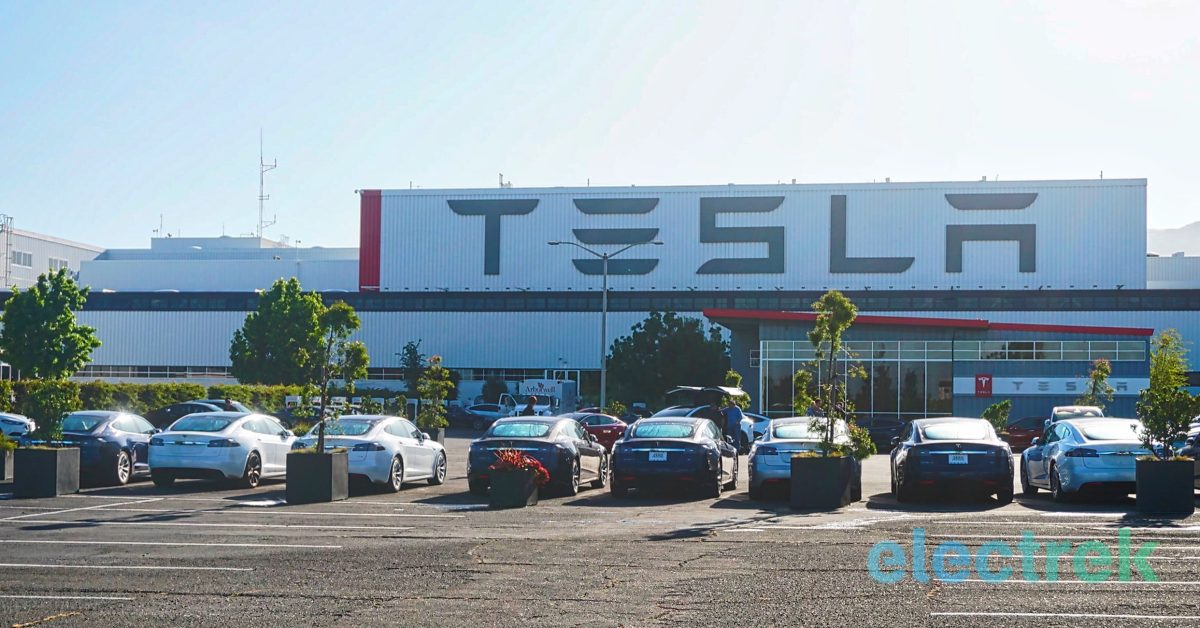
Tesla's Lawyers Misled Witness in Racism Trial
Tesla's ongoing racism trial in California has faced significant setbacks as it was revealed that a…
18h ago
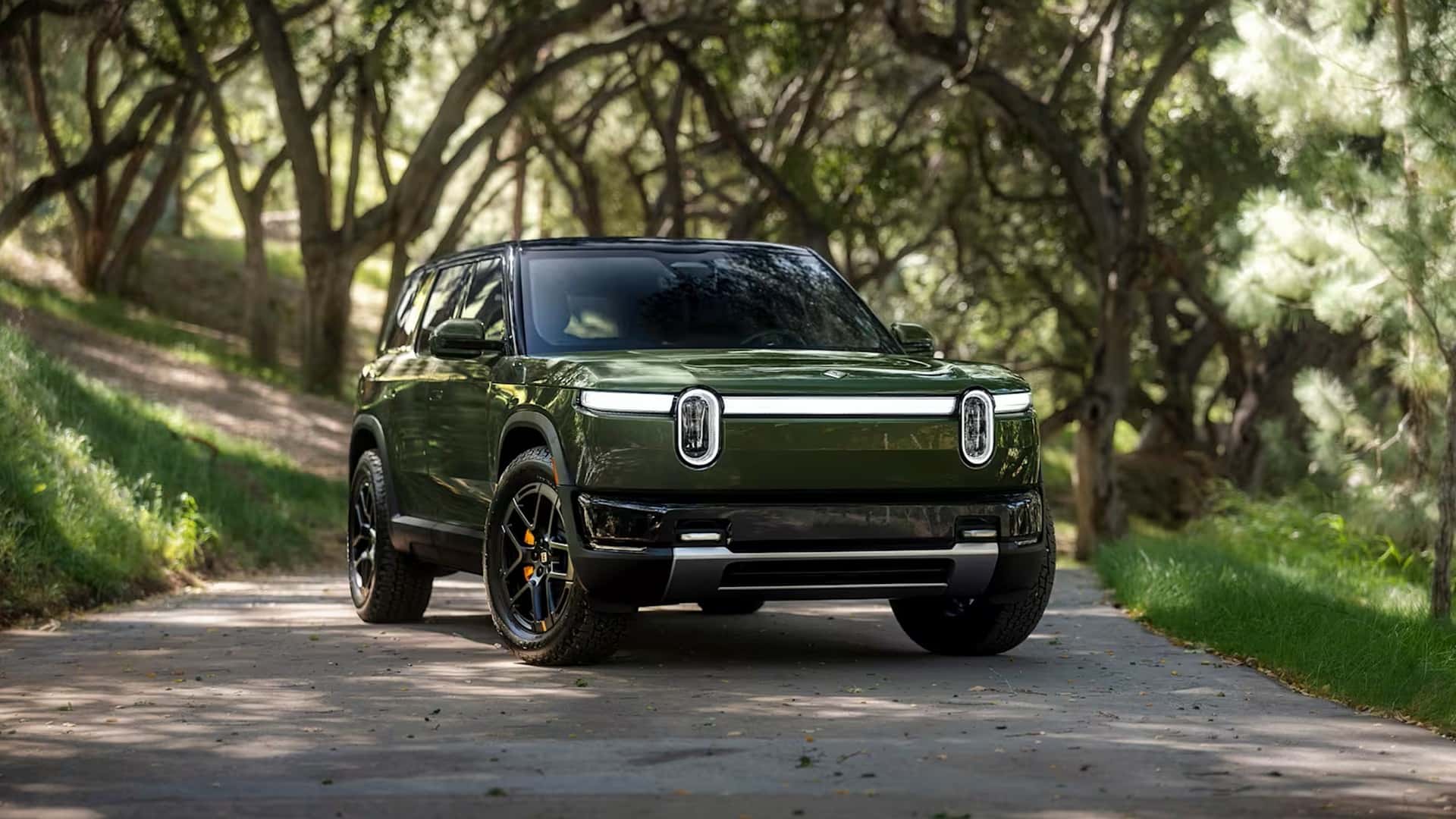
Rivian R2 Faces First Recall Due to Camera Issue
Rivian has issued a recall affecting nearly 99,000 vehicles, including some of its new R2 models,…
18h ago
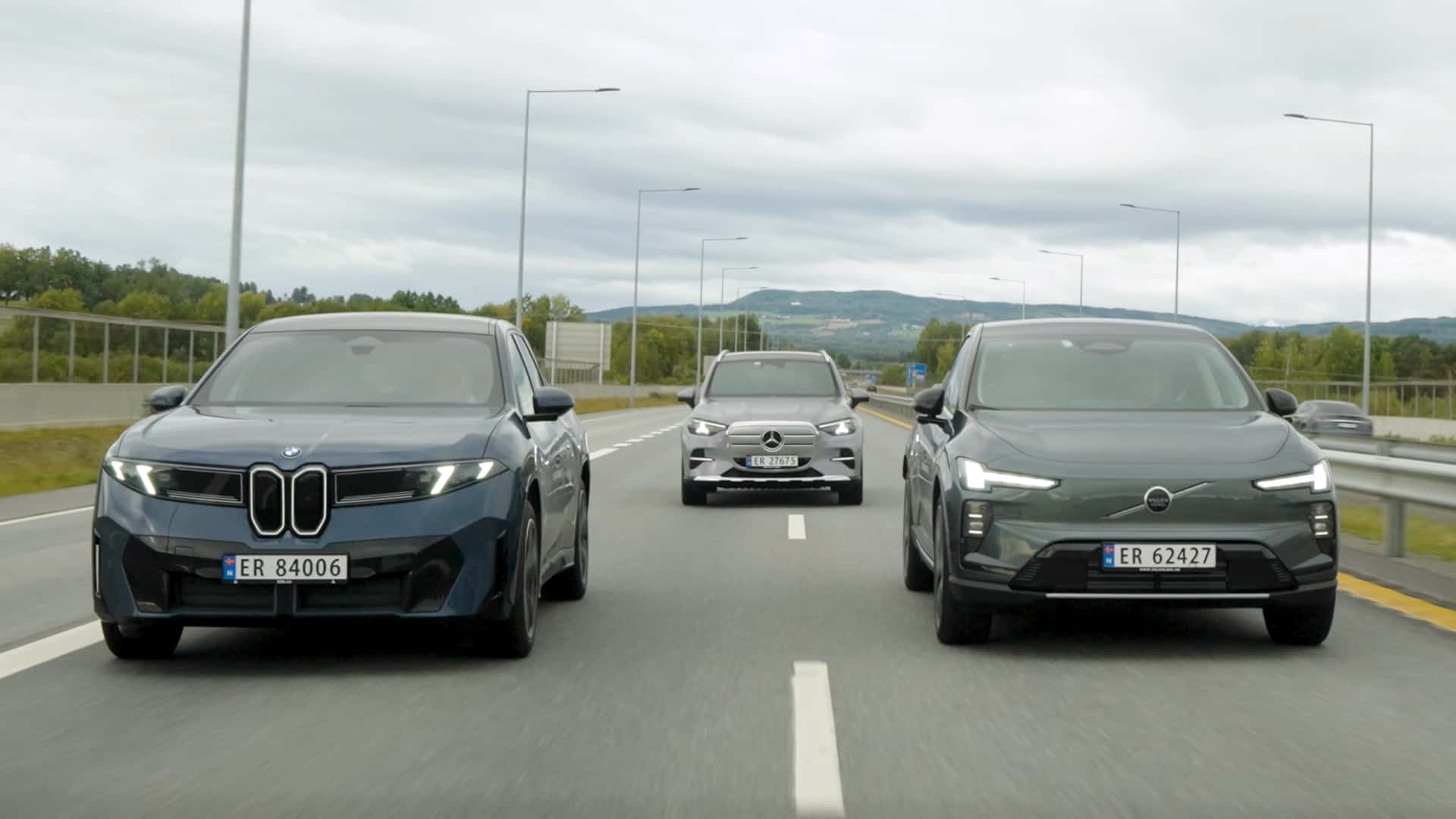
BMW iX3 Outperforms Mercedes GLC and Volvo EX60 in Highway Efficiency Test
In a recent highway test, the BMW iX3 demonstrated superior energy efficiency and range compared to…
1d ago
PHEV Batteries Show Resilience Despite Frequent Cycling
Plug-in hybrid electric vehicles (PHEVs) experience more frequent battery cycling than fully…
1d ago