
Nissan Abandons Plans for Off-Road Electric Vehicle
Updated April 6, 2026
3 min read
1 linked source
Nissan has decided to scrap its plans for an off-road electric vehicle (EV), opting instead to focus on gas and hybrid variants of a popular SUV. This shift indicates a strategic pivot away from fully electric off-road options, which may disappoint fans of adventure-focused EVs. The decision reflects ongoing challenges in the EV market and consumer preferences.
Share this story
Why it matters
- ✓Potential buyers looking for off-road electric options will need to consider alternatives from other manufacturers.
- ✓The shift to gas and hybrid models may appeal to consumers who prioritize range and refueling convenience over full electrification.
- ✓This decision highlights the complexities and challenges automakers face in transitioning to electric vehicles.
Reporting notes
EV Signal briefs are written to explain the verified change first, then add the context EV buyers and owners need to understand cost, availability, charging access, eligibility, or ownership impact.
If details are still developing, we try to say what is confirmed, what comes from secondary reporting, and what readers should verify before acting.
Source mix
1 linked source
1 media
Reviewed from: Electrek.
Nissan Abandons Plans for Off-Road Electric Vehicle
Nissan has officially announced that it will no longer pursue the development of an off-road electric vehicle (EV), a decision that has surprised many in the automotive community. Instead, the company plans to launch a new variant of its popular SUV, focusing on gas and hybrid powertrains. This move marks a significant shift in Nissan's strategy regarding electric mobility, particularly in the off-road segment.
Background on Nissan's Off-Road EV Plans
Nissan had previously hinted at the development of an adventure-focused electric vehicle aimed at outdoor enthusiasts and off-road adventurers. The concept was anticipated to cater to a growing market of eco-conscious consumers seeking sustainable options for outdoor activities. However, the company has now decided to pivot away from this vision, citing various challenges in the current EV landscape.
Reasons for the Change
While Nissan has not provided detailed reasons for scrapping the off-road EV project, several factors likely influenced this decision:
-
Market Demand: The demand for fully electric off-road vehicles may not have met Nissan's expectations. As the EV market evolves, consumer preferences can shift rapidly, and Nissan may have determined that a gas or hybrid model would be more appealing to its target audience.
-
Technical Challenges: Developing a robust off-road EV presents unique engineering challenges, including battery range, weight distribution, and durability. These factors can complicate the design and manufacturing processes, leading to increased costs and longer development timelines.
-
Competitive Landscape: The automotive industry is highly competitive, with numerous manufacturers vying for market share in the EV sector. Nissan may have concluded that focusing on gas and hybrid models would allow it to remain competitive without the risks associated with pioneering a new off-road electric segment.
Implications for EV Buyers and Owners
The decision to abandon the off-road EV project has several implications for current and prospective EV buyers:
-
Limited Options: Buyers looking for electric vehicles specifically designed for off-road use will now have fewer options. Other manufacturers may still pursue this niche, but Nissan's withdrawal could slow the development of such vehicles in the market.
-
Gas and Hybrid Alternatives: For consumers who prioritize range and convenience, the introduction of gas and hybrid variants may be seen as a positive development. These models typically offer quicker refueling times and greater range compared to their fully electric counterparts, which can be appealing for long-distance travel and off-road adventures.
-
Market Trends: This shift reflects broader trends in the automotive industry, where manufacturers are grappling with the balance between electrification and traditional powertrains. It underscores the complexities of transitioning to electric mobility, especially in segments where performance and utility are critical.
Conclusion
Nissan's decision to scrap its plans for an off-road electric vehicle is a notable development in the EV market. While it may disappoint some consumers eager for adventure-ready electric options, the company's focus on gas and hybrid models could resonate with a broader audience. As the automotive landscape continues to evolve, it will be essential for manufacturers to adapt to changing consumer preferences and market dynamics. For now, buyers interested in off-road capabilities will need to explore alternatives from other brands or consider the upcoming hybrid and gas models from Nissan.
Sources
These are the documents and reports used to build this brief so readers can verify the story directly.
- Nissan scraps plans for an off-road EV — ElectrekMEDIA
Comments
Log in with
Loading comments…
More in Models & Pricing
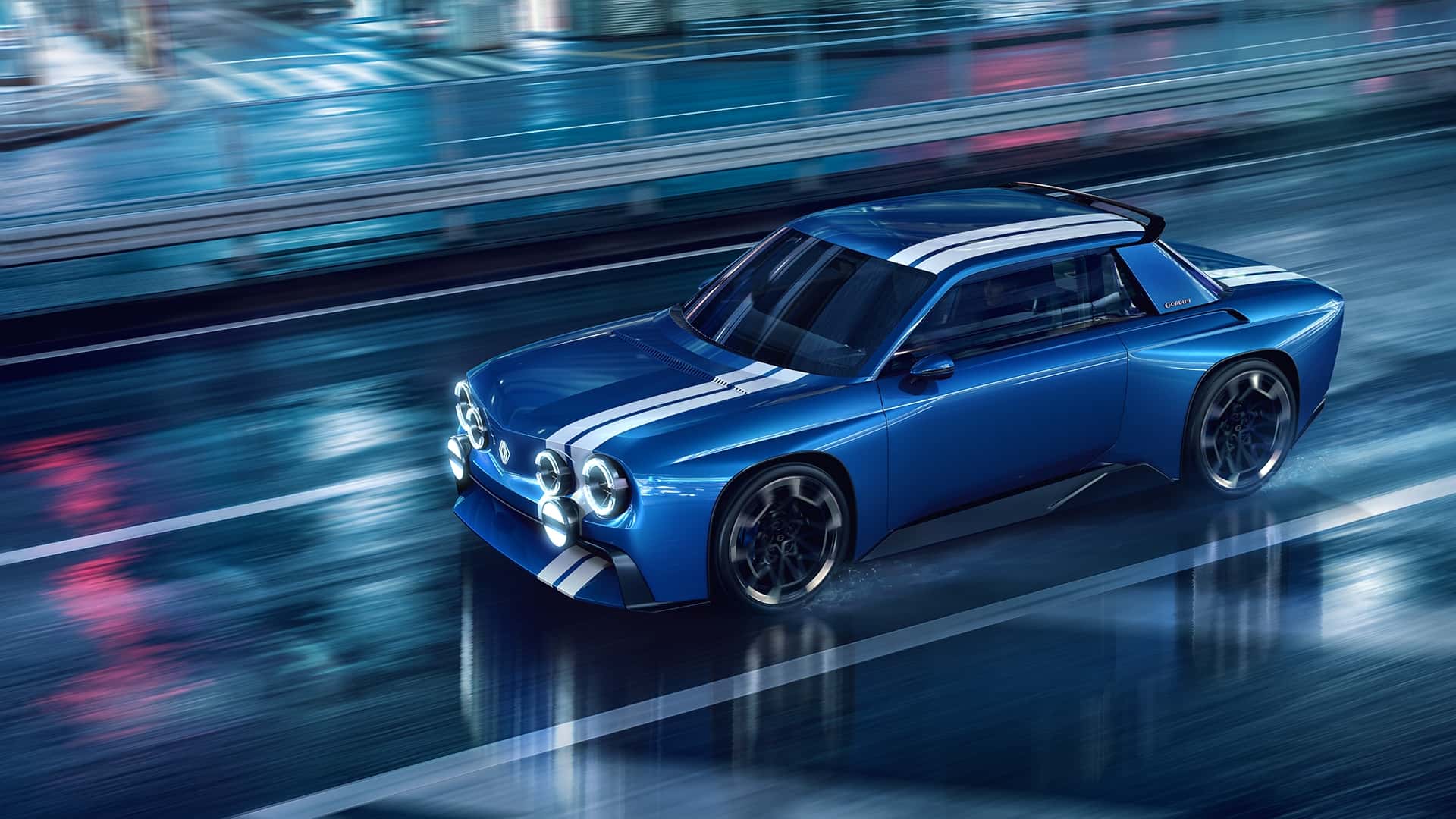
Renault 8 Gordini Returns as Rear-Wheel Drive EV
Renault has unveiled the return of the iconic Renault 8 Gordini as a rear-wheel drive electric…
Just now
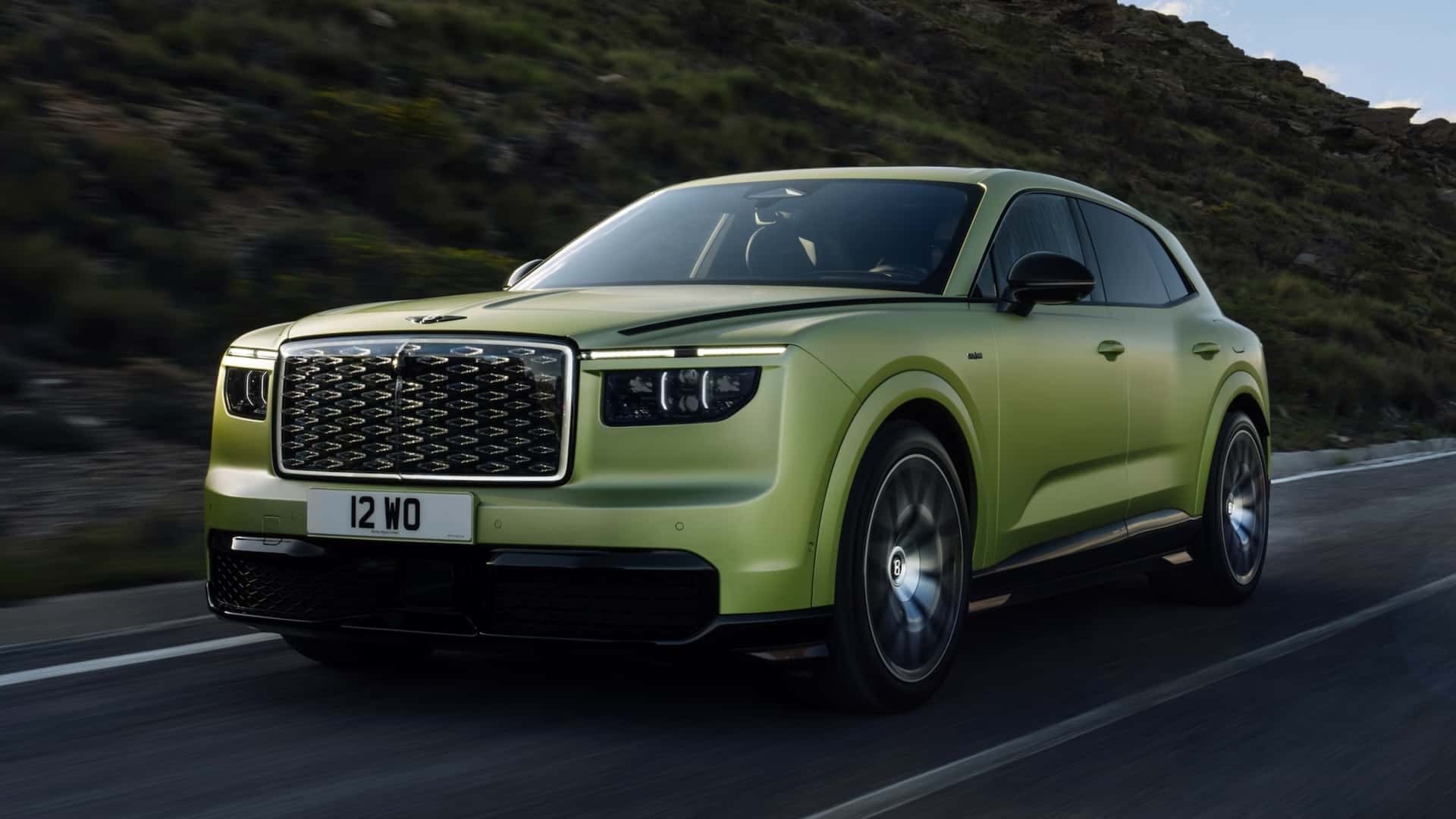
Bentley's First EV, the Torcal, Offers Rapid Charging Capabilities
Bentley has launched its first electric vehicle, the Torcal, a midsize SUV that boasts rapid…
12h ago
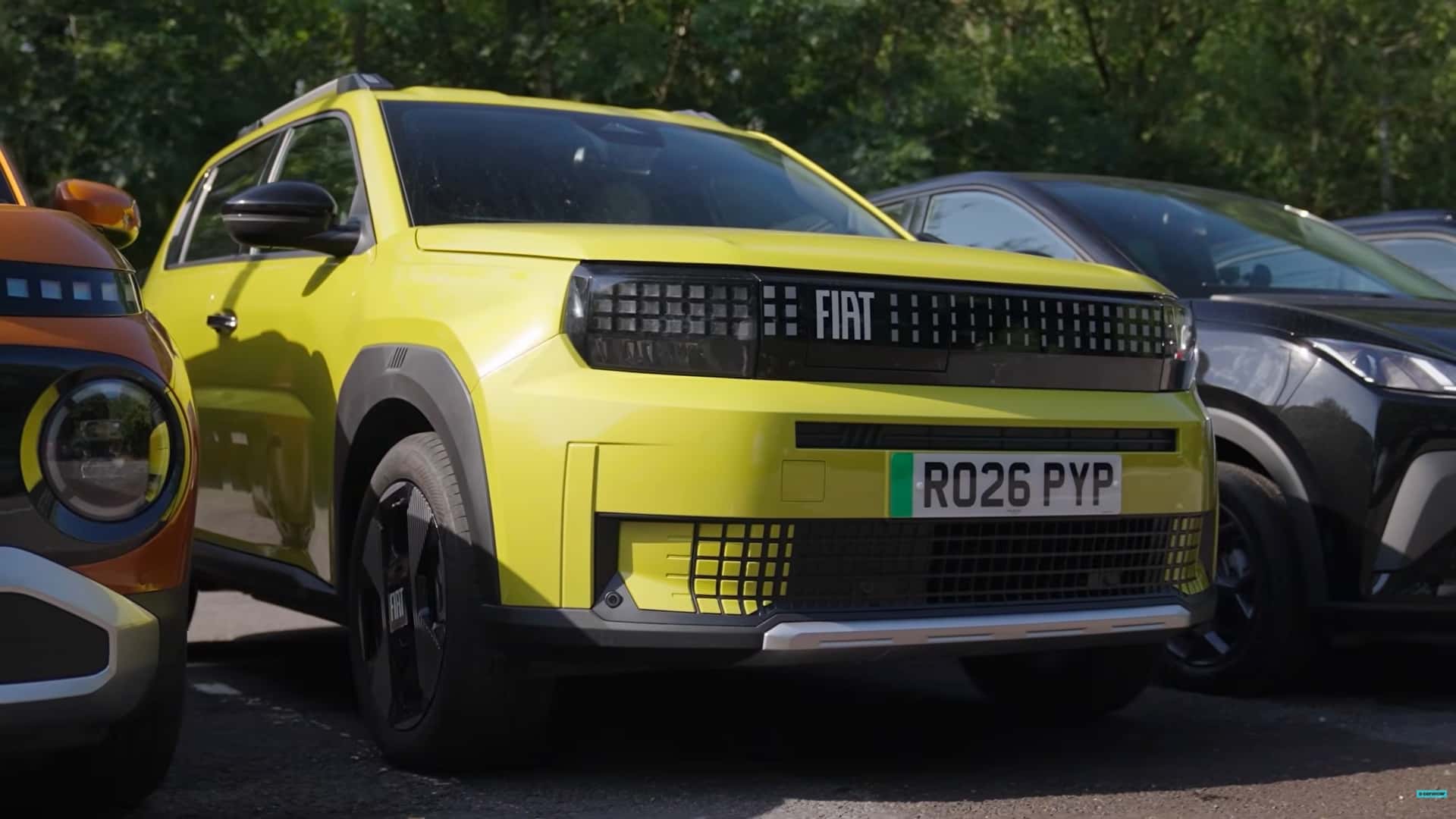
Fiat Grande Panda Outperforms Claimed Range in Real-World Test
In a recent highway range test, the Fiat Grande Panda exceeded its officially claimed range,…
12h ago
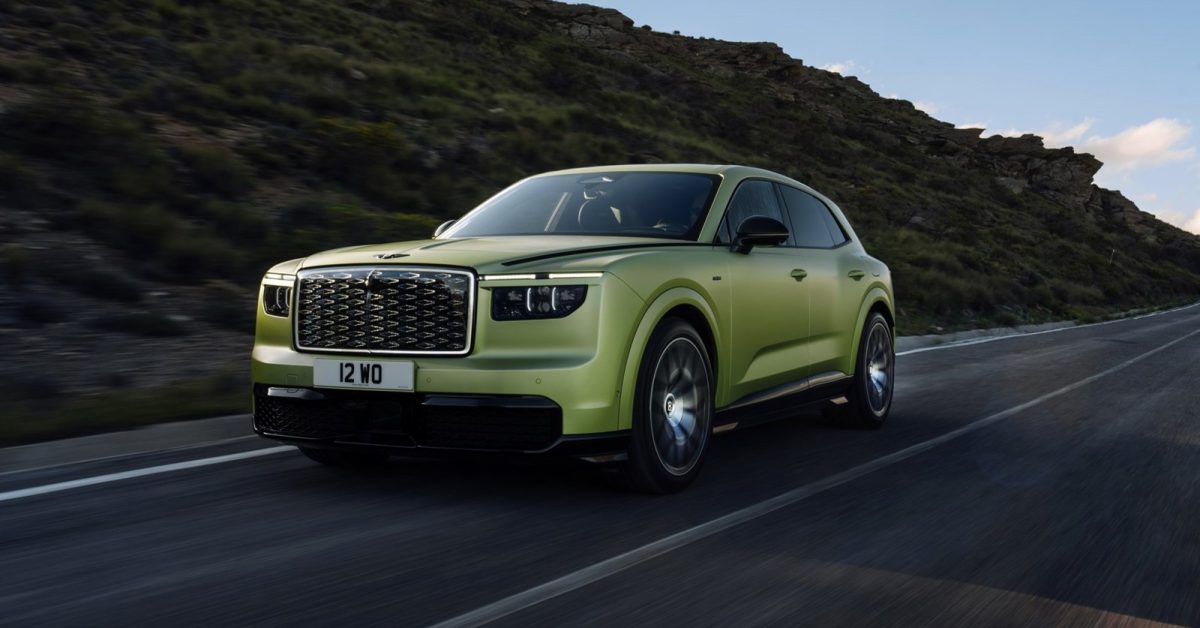
Bentley Launches Torcal, Its First All-Electric SUV
Bentley has officially unveiled the Torcal, marking its entry into the electric vehicle market.…
12h ago