New EV Sales Decline by 28% Amid Surge in Used EV Market
Updated March 29, 2026
3 min read
1 linked source
New electric vehicle (EV) sales have dropped by 28% following the expiration of federal tax credits in September. However, the used EV market is experiencing significant growth, indicating a shift in consumer purchasing behavior. This trend suggests that while new EV sales may be struggling, the demand for used EVs remains strong.
Share this story
Why it matters
- ✓Buyers may find better deals in the used EV market as prices stabilize or decrease due to lower demand for new models.
- ✓The decline in new EV sales could impact manufacturers' production plans and future model availability.
- ✓Increased interest in used EVs may lead to a more diverse selection of affordable electric vehicles for consumers.
Reporting notes
EV Signal briefs are written to explain the verified change first, then add the context EV buyers and owners need to understand cost, availability, charging access, eligibility, or ownership impact.
If details are still developing, we try to say what is confirmed, what comes from secondary reporting, and what readers should verify before acting.
Source mix
1 linked source
1 media
Reviewed from: InsideEVs.
New EV Sales Decline
The electric vehicle (EV) market is currently facing challenges, with new EV sales experiencing a notable decline of 28%. This downturn follows the expiration of federal tax credits in September, which had previously incentivized many buyers to purchase new electric vehicles. The reduction in sales raises questions about the future of the new EV market and the factors influencing consumer choices.
The Impact of Tax Credit Expiration
The end of the federal tax credit, which provided substantial financial incentives for new EV purchases, has had a direct impact on sales figures. Many potential buyers may have postponed their purchases or opted out of buying new EVs altogether due to the lack of financial incentives. As a result, the new EV market is struggling to maintain momentum, leading to a significant drop in sales.
Growth in the Used EV Market
In contrast to the decline in new EV sales, the used EV market is thriving. Consumers are increasingly turning to used electric vehicles as a more affordable alternative. This trend suggests that while new EV sales may be faltering, there is a robust demand for pre-owned electric vehicles. Factors contributing to this growth may include lower prices, a wider selection of models, and the appeal of established vehicles with proven reliability.
Implications for EV Buyers and Owners
The current state of the EV market has several implications for potential buyers and existing owners:
-
Opportunities for Buyers: With new EV sales declining, buyers may find better deals in the used market. As dealerships and private sellers adjust their prices to attract buyers, consumers could benefit from lower prices and a greater variety of options.
-
Manufacturer Responses: The drop in new EV sales may prompt manufacturers to reevaluate their production strategies. Companies may focus on improving their offerings in the used market or consider introducing new models that align better with consumer demand.
-
Market Dynamics: The increasing interest in used EVs could lead to a more diverse selection of affordable electric vehicles. This shift may encourage more consumers to consider electric vehicles as a viable option, ultimately contributing to the broader adoption of EVs in the long term.
Conclusion
The decline in new EV sales and the simultaneous growth in the used EV market highlight the evolving landscape of electric vehicle adoption. While the expiration of tax credits has posed challenges for new vehicle sales, the robust demand for used EVs indicates a shift in consumer preferences. As the market continues to adapt, both buyers and manufacturers will need to navigate these changes to ensure a sustainable future for electric mobility.
Sources
These are the documents and reports used to build this brief so readers can verify the story directly.
- New EV Sales Dropped 28%. But Used EVs Are Booming. — InsideEVsMEDIA
Comments
Log in with
Loading comments…
More in Buying

Ausom Launches Fall Sale on Electric Scooters
Ausom is holding a Fall Sale this month, offering discounts on its range of electric scooters,…
Just now
BMW Opens US Reservations for New i3 Ahead of Schedule
BMW has announced that it will open reservations for the new i3 in the United States earlier than…
12h ago

Jackery Explorer 5000 Plus Power Station Discounted by $1,000
The Jackery Explorer 5000 Plus Portable Power Station is now available for $1,499, reflecting a…
18h ago
BMW i3 EV Reservations Open Early in the U.S.
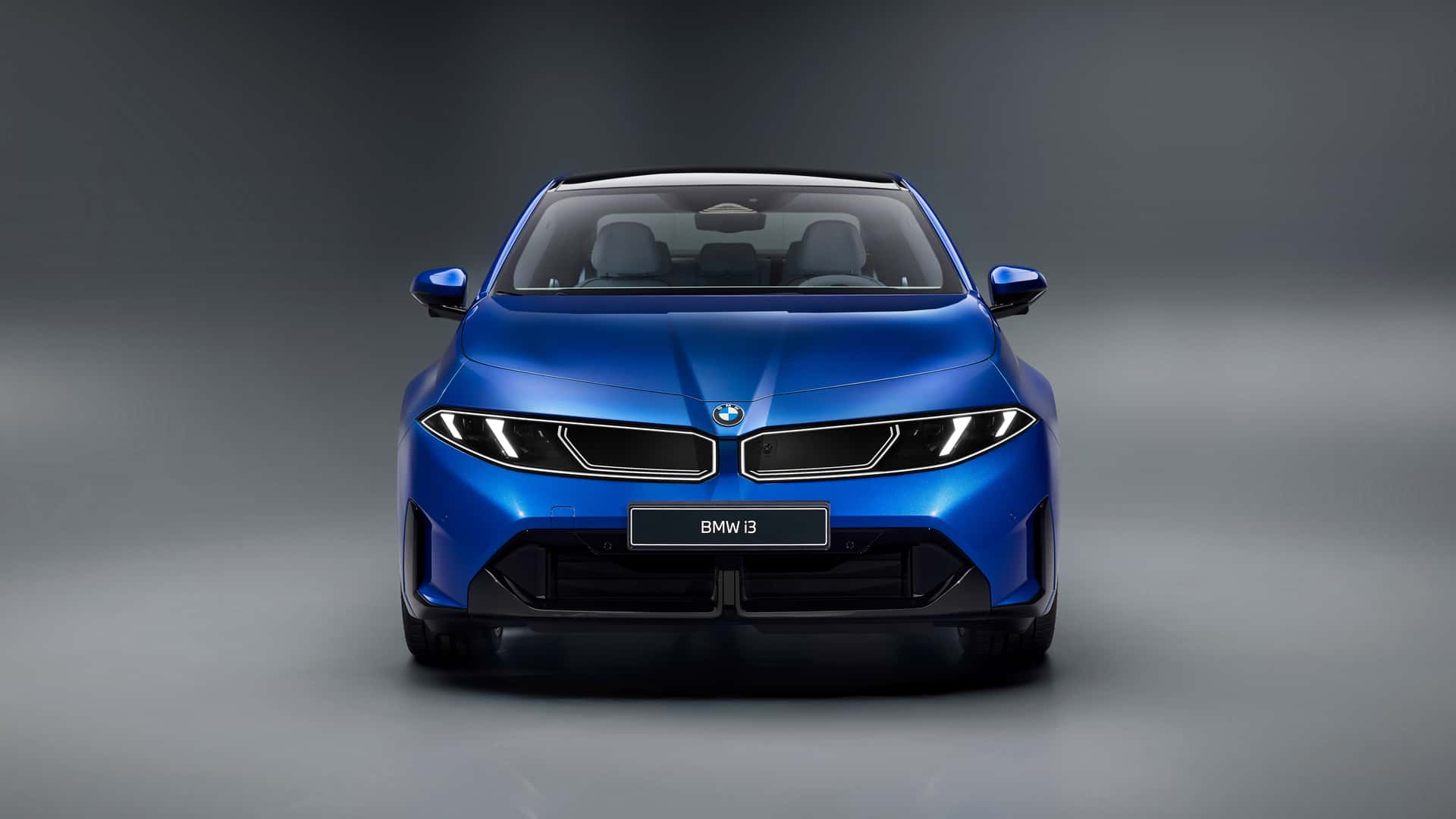
BMW has announced that it will begin accepting reservations for the new i3 electric sedan ahead of…
1d ago