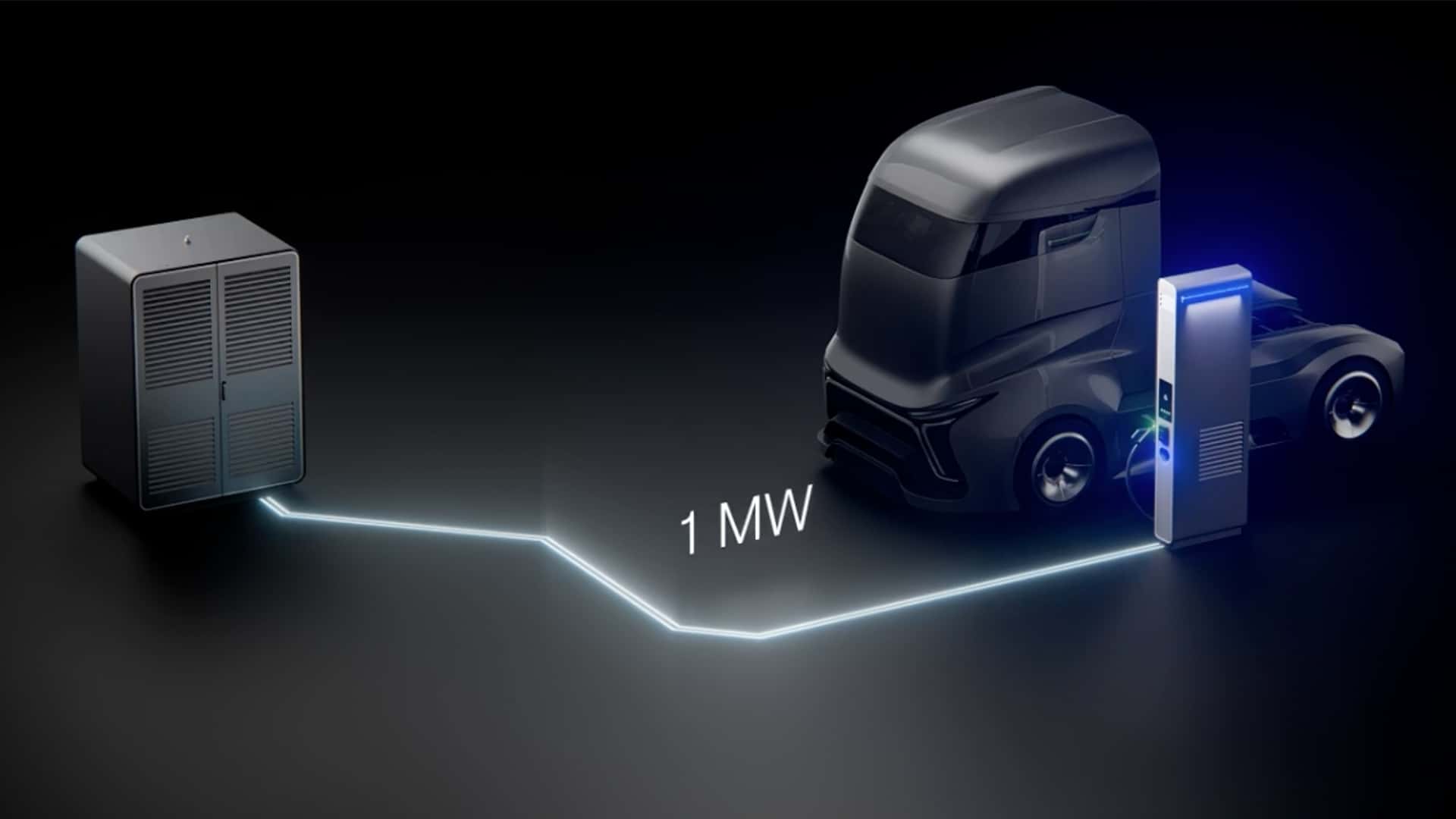
'Megawatt' EV Chargers Introduced in the U.S. Amid Readiness Concerns
Updated April 9, 2026
3 min read
1 linked source
Alpitronic has launched its new 'megawatt' EV chargers in the United States, capable of delivering up to 1,000 kilowatts to a single charging port. However, there are questions regarding whether automakers are prepared to support this level of charging capacity. This development marks a significant step in EV charging technology, but its practical implementation remains uncertain.
Share this story
Why it matters
- ✓The introduction of megawatt chargers could drastically reduce charging times for EV owners, making long-distance travel more feasible.
- ✓If automakers do not adapt their vehicles to utilize these high-capacity chargers, the benefits may not be realized, leaving buyers with limited charging options.
- ✓The advancement in charging technology highlights the ongoing evolution of the EV market and the need for infrastructure to keep pace with vehicle capabilities.
Reporting notes
EV Signal briefs are written to explain the verified change first, then add the context EV buyers and owners need to understand cost, availability, charging access, eligibility, or ownership impact.
If details are still developing, we try to say what is confirmed, what comes from secondary reporting, and what readers should verify before acting.
Source mix
1 linked source
1 media
Reviewed from: InsideEVs.
'Megawatt' EV Chargers Introduced in the U.S. Amid Readiness Concerns
Alpitronic, a prominent player in the electric vehicle (EV) charging market, has recently launched its new 'megawatt' EV chargers in the United States. These chargers are capable of delivering up to 1,000 kilowatts to a single charging port, representing a significant leap in charging technology. However, this advancement raises important questions about whether automakers are ready to support such high-capacity charging systems.
What Are Megawatt Chargers?
Megawatt chargers are designed to provide a substantial amount of power to electric vehicles, significantly reducing the time required for charging. With the capability to deliver 1,000 kilowatts, these chargers can potentially charge an EV in a fraction of the time it currently takes with standard chargers. This technology is particularly beneficial for long-distance travel, where quick charging can make a significant difference in overall travel time.
The Current Landscape of EV Charging
As the EV market continues to grow, the demand for faster and more efficient charging solutions has become increasingly critical. Traditional charging stations typically offer power levels ranging from 50 to 350 kilowatts. While these levels have been sufficient for many current EV models, the introduction of megawatt chargers could push the boundaries of what is possible in EV charging.
However, the effectiveness of these chargers hinges on the readiness of automakers to integrate this technology into their vehicles. Currently, many EVs on the market are not equipped to handle such high charging rates, which could limit the immediate impact of the new chargers.
Are Automakers Ready?
One of the primary concerns surrounding the rollout of megawatt chargers is whether automakers are prepared to support this level of charging capacity. Many existing EV models are designed to charge at lower rates, and without significant upgrades to vehicle technology, the benefits of megawatt charging may not be fully realized.
Automakers will need to ensure that their vehicles can accept the higher voltage and current levels that megawatt chargers provide. This may involve updates to battery technology, onboard charging systems, and overall vehicle architecture. As of now, it remains unclear how quickly manufacturers will adapt to these advancements.
Implications for EV Buyers and Owners
The introduction of megawatt chargers has several implications for current and prospective EV buyers:
-
Faster Charging Times: If automakers adapt their vehicles to utilize these high-capacity chargers, EV owners could experience significantly reduced charging times, making electric vehicles more convenient for long trips.
-
Infrastructure Development: The deployment of megawatt chargers may spur further investment in charging infrastructure, encouraging more locations to offer high-speed charging options.
-
Market Evolution: The advancement in charging technology highlights the need for the EV market to evolve continuously. Buyers may need to consider future-proofing their purchases by looking for vehicles that can leverage the latest charging technologies.
Conclusion
Alpitronic's introduction of megawatt EV chargers in the U.S. represents a promising development in the electric vehicle charging landscape. However, the success of this technology will depend heavily on the readiness of automakers to support such high-capacity charging. As the market continues to evolve, both buyers and manufacturers will need to stay informed about advancements in charging technology and infrastructure to fully benefit from the potential of electric vehicles.
Sources
These are the documents and reports used to build this brief so readers can verify the story directly.
Comments
Log in with
Loading comments…
More in Charging
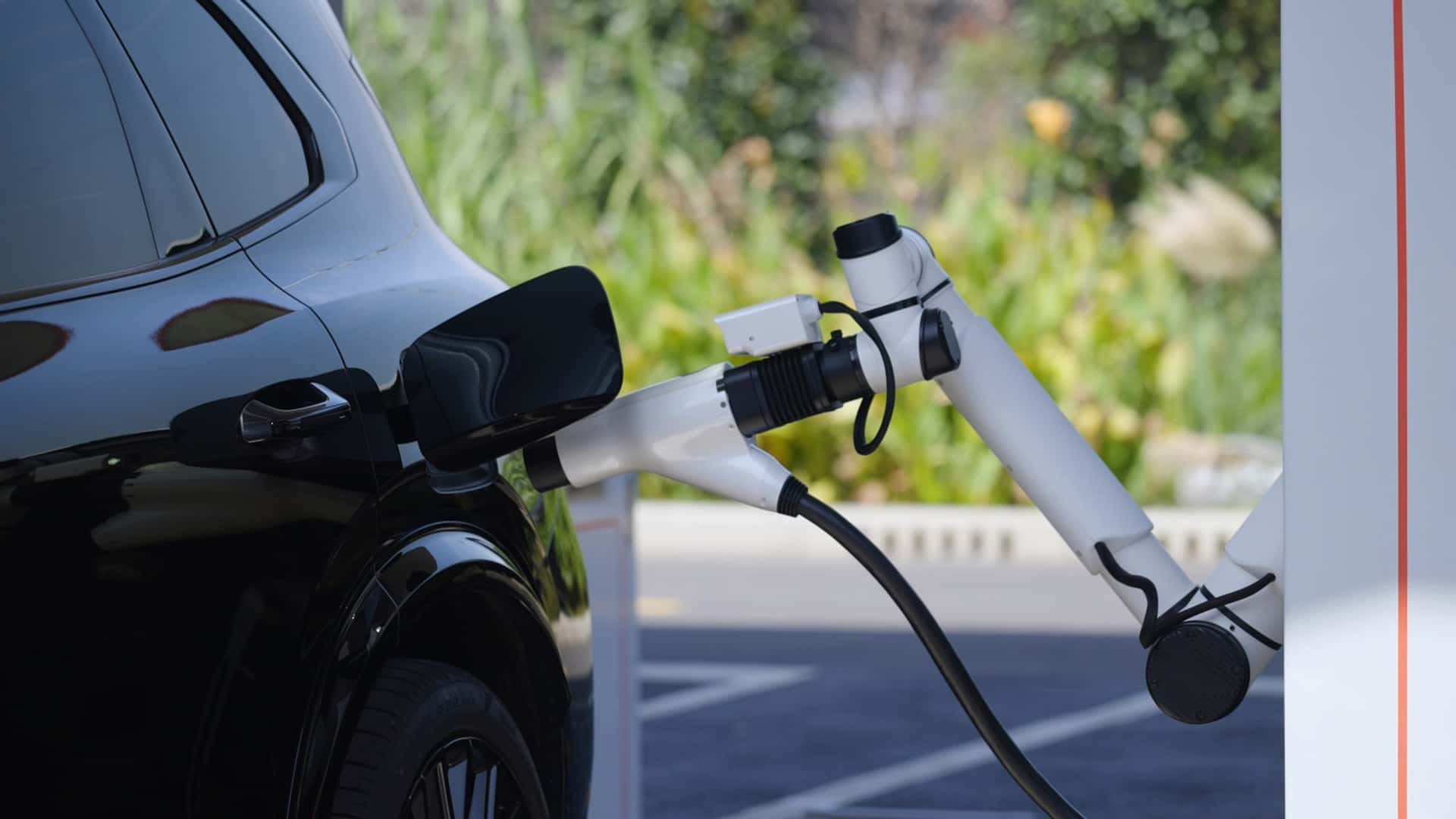
Geely Unveils 2.25 Megawatt EV Charger, Outpacing Competitors
Geely has introduced a new electric vehicle (EV) charger with an impressive output of 2.25…
18h ago
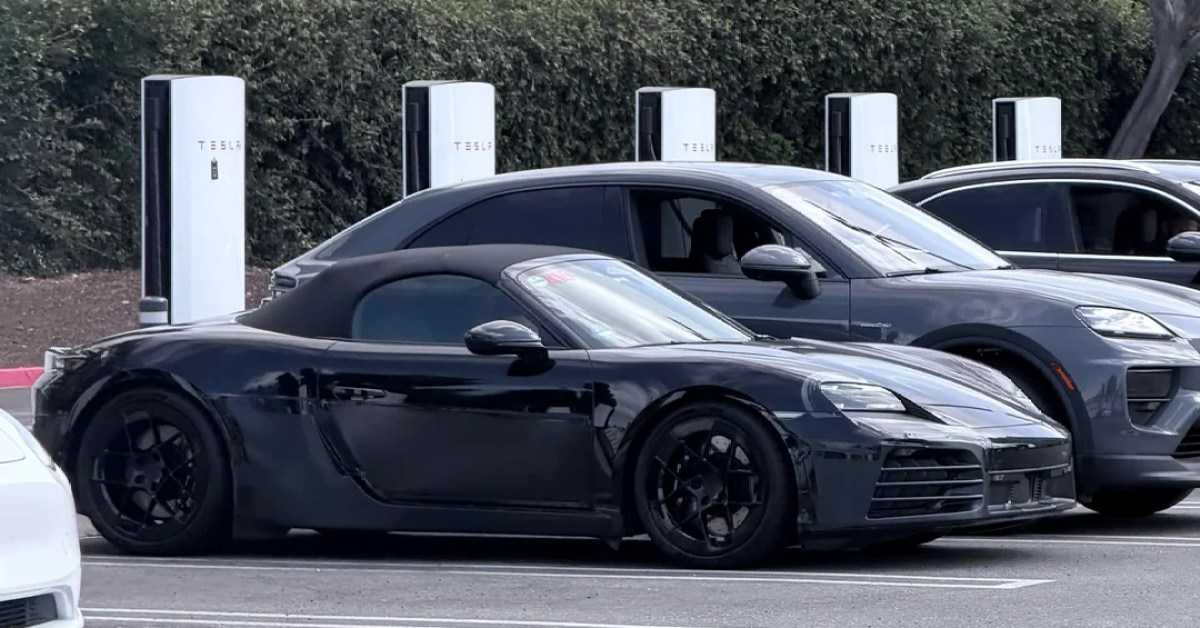
Electric Porsche Boxster Spotted Charging at Tesla Supercharger
An electric version of the Porsche Boxster has been observed charging at a Tesla Supercharger…
1d ago
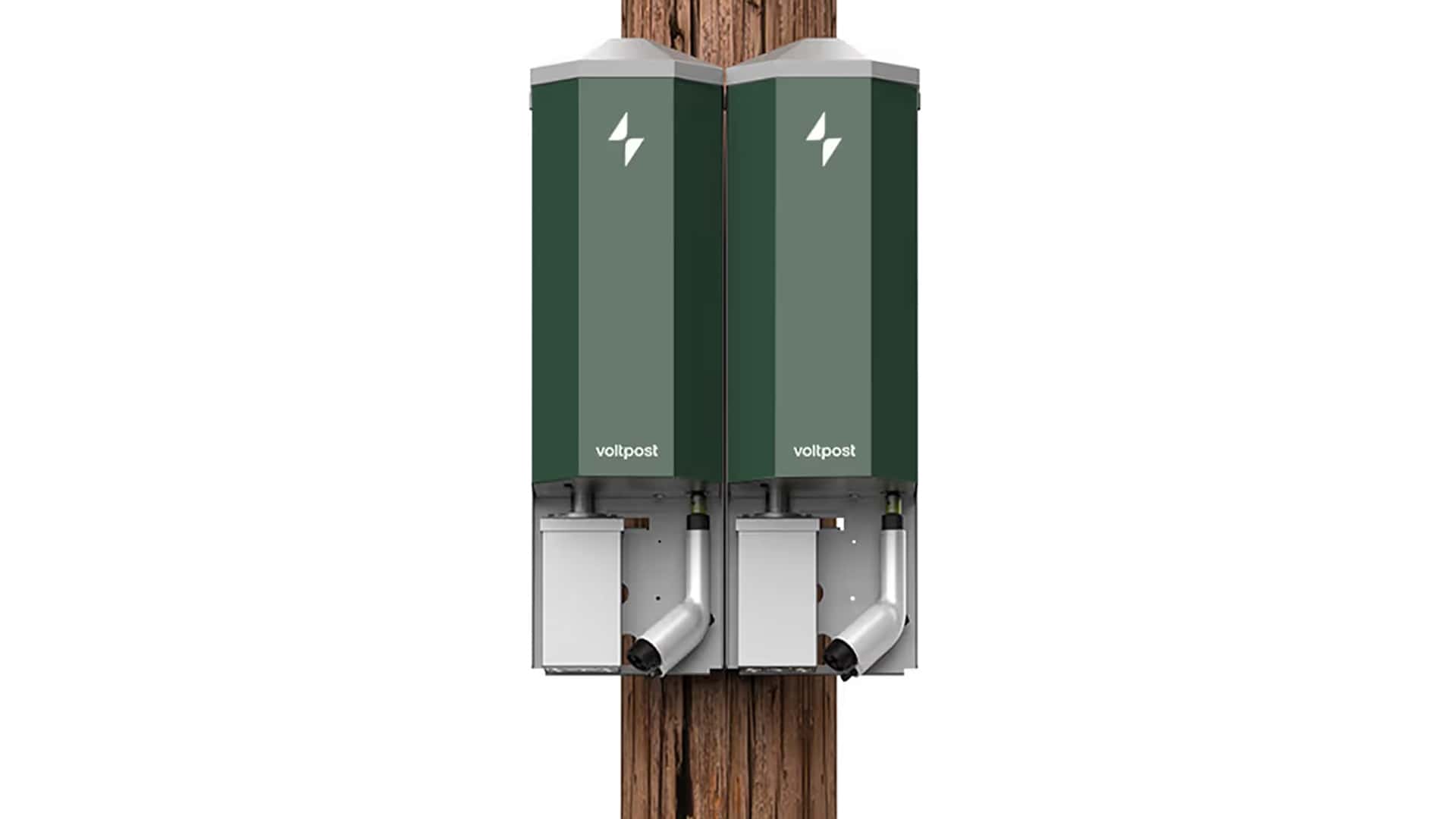
Voltpost Expands Lamppost EV Chargers with Free Top-Ups in Brooklyn
Voltpost has launched over a dozen new lamppost-mounted EV charging ports across New York,…
1d ago

Geely Introduces 2.2MW Charger for 4-Minute EV Charging
Geely has announced a new electric car battery and charging system that enables charging times of…
2d ago