Growing List of Canceled or Delayed EVs for 2025 and 2026
Updated March 27, 2026
As automakers navigate the changing landscape of electric vehicle policies, a significant number of EV models have been canceled or delayed for the years 2025 and 2026. This trend reflects the industry's response to recent regulatory shifts and market conditions. Buyers and owners should stay informed about these changes as they may impact availability and future purchases.
Share this story
Why it matters
- ✓Potential delays in new EV models could limit options for buyers looking to purchase in the near future.
- ✓Canceled models may lead to reduced competition in the EV market, potentially affecting pricing and innovation.
- ✓Current EV owners may face uncertainty regarding the availability of future upgrades or replacements.
Growing List of Canceled or Delayed EVs for 2025 and 2026
The electric vehicle (EV) market is undergoing significant changes as automakers adjust their strategies in response to evolving policies and market dynamics. A recent report from InsideEVs highlights a growing list of EV models that have been canceled or delayed for the years 2025 and 2026. This trend raises important questions for potential buyers and current owners regarding the future landscape of electric mobility.
The Impact of Policy Changes
The automotive industry has faced what can be described as "policy whiplash" over the past year. Changes in government regulations, incentives, and consumer demand have forced manufacturers to reevaluate their production timelines and model offerings. As a result, several planned EVs have been put on hold or scrapped altogether. This shift is not only a reflection of the challenges faced by automakers but also an indication of the complexities involved in the transition to electric mobility.
Canceled and Delayed Models
While the report does not provide an exhaustive list of all affected models, it notes that numerous automakers have announced delays or cancellations. This includes both established manufacturers and new entrants to the EV market. The specific reasons for these cancellations and delays vary, ranging from supply chain issues to shifts in consumer preferences and regulatory requirements.
Examples of Affected Automakers
Some of the notable automakers that have faced delays or cancellations include:
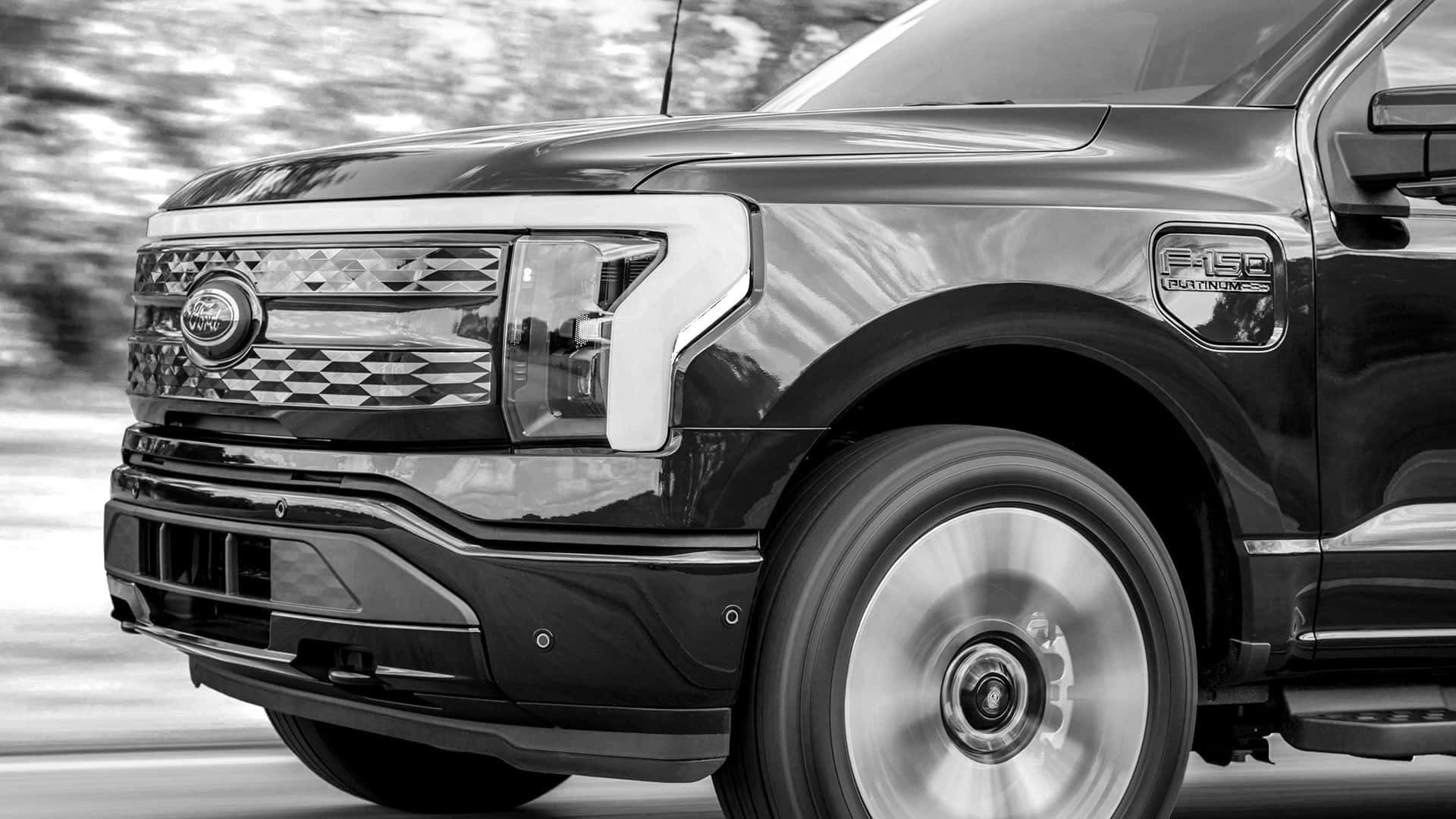
- Ford: Known for its commitment to electrification, Ford has had to adjust timelines for some of its upcoming models.
- General Motors: GM has also announced changes to its EV lineup, impacting several anticipated releases.
- Tesla: Even industry leaders like Tesla are not immune to the challenges of the current market, with some models experiencing delays.
These adjustments highlight the broader trend of automakers needing to be agile in their planning and production processes.
Implications for EV Buyers and Owners
The cancellations and delays of EV models can have significant implications for both potential buyers and current owners. Here are a few key considerations:
Limited Options for Buyers
For those looking to purchase a new EV in the coming years, the growing list of canceled or delayed models may limit available choices. Buyers often look forward to new releases that offer the latest technology, features, and designs. With fewer models entering the market, consumers may find themselves with less variety and potentially higher prices due to reduced competition.
Impact on Pricing and Innovation
The reduction in the number of new models could also affect pricing strategies within the EV market. With fewer options available, manufacturers may have less incentive to keep prices competitive. Additionally, innovation may slow down as automakers focus on existing models rather than investing in new developments.
Uncertainty for Current Owners
Current EV owners may also feel the impact of these cancellations and delays. Many owners look forward to upgrading their vehicles as new models are released. However, with the uncertainty surrounding future offerings, they may need to reconsider their plans. This could lead to longer ownership periods for some, as they wait for new models that may take longer to arrive.
Conclusion
As the EV landscape continues to evolve, it is crucial for buyers and owners to stay informed about the changes affecting the market. The growing list of canceled and delayed EV models for 2025 and 2026 serves as a reminder of the complexities involved in the transition to electric mobility. While the future of EVs remains promising, the current adjustments by automakers underscore the importance of adaptability in an ever-changing environment. Buyers should remain vigilant and consider these developments when planning their next vehicle purchase.
Sources
Comments
Log in with
Loading comments…
More in Models & Pricing
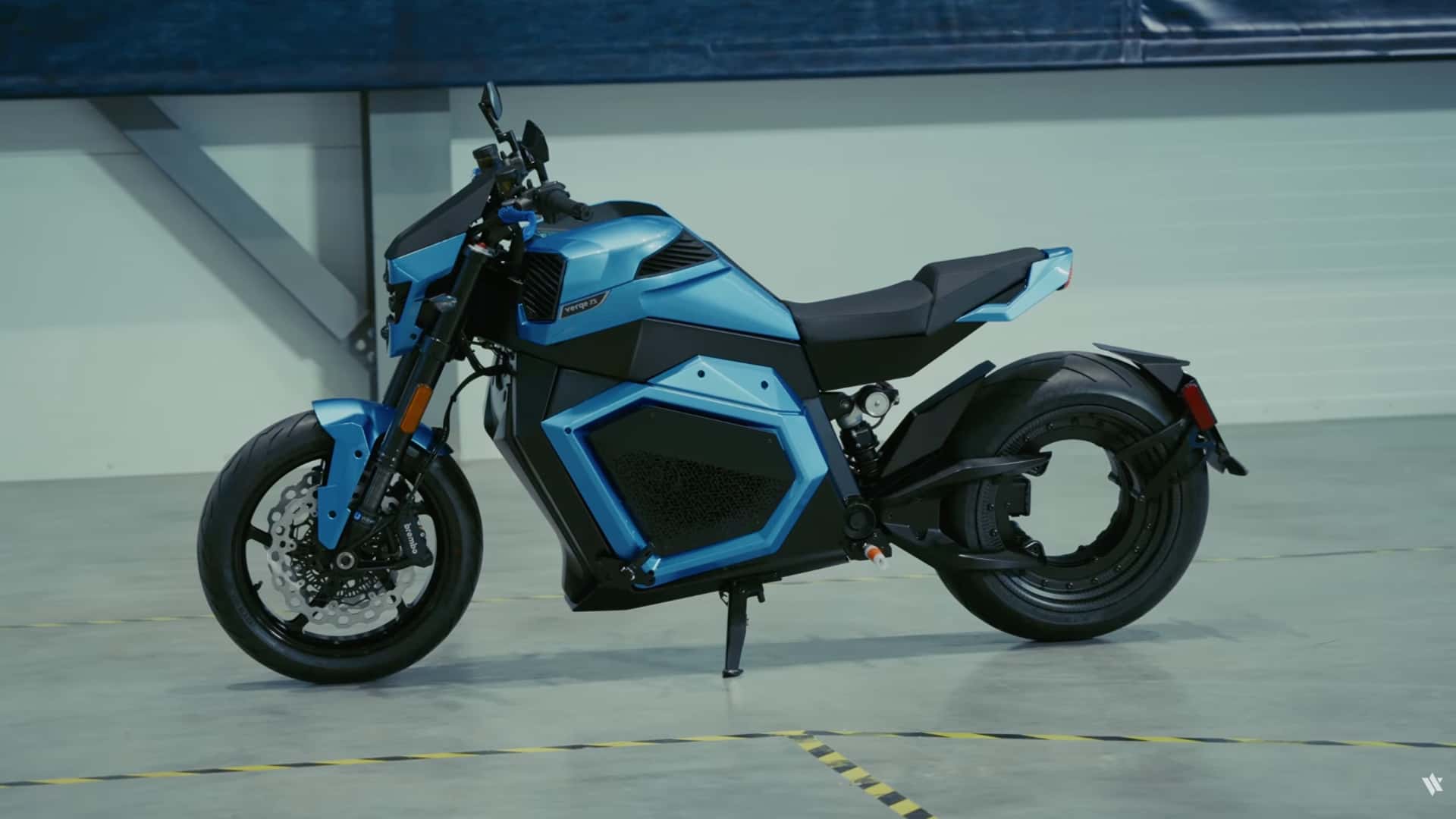
Verge Motorcycles Begins Production of World's First Solid-State Electric Motorcycle
Verge Motorcycles has announced that its TS Pro model is set to become the world's first production…
5h ago
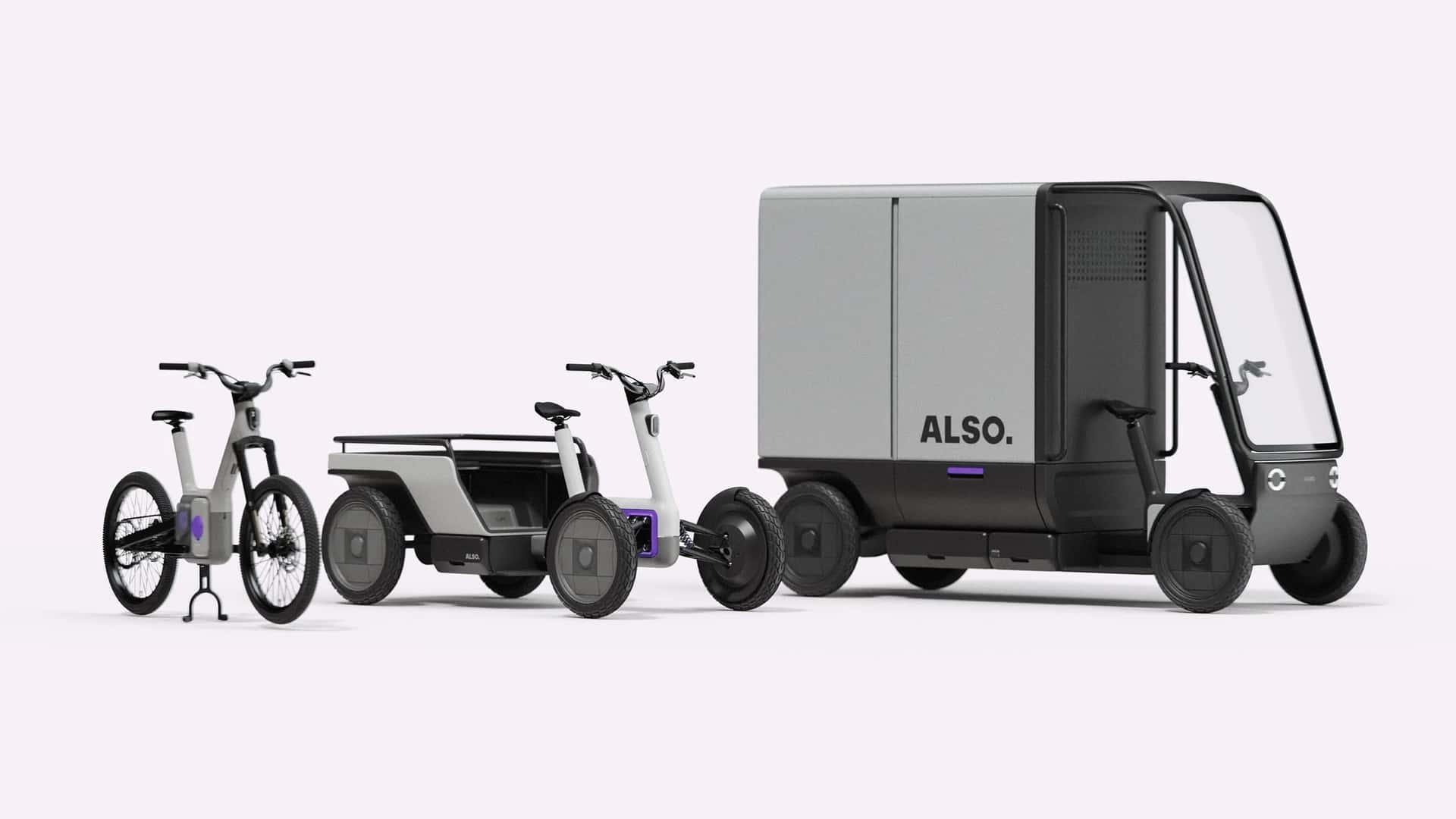
Rivian's E-Bike Spinoff Partners with DoorDash for Autonomous Delivery Bots
Rivian's micromobility spinoff has entered into a partnership with DoorDash to develop autonomous…
5h ago

Hyundai Set to Unveil Major Electric Vehicle Announcement at New York Auto Show
Hyundai is preparing to reveal a significant new electric vehicle during a major world debut at the…
5h ago
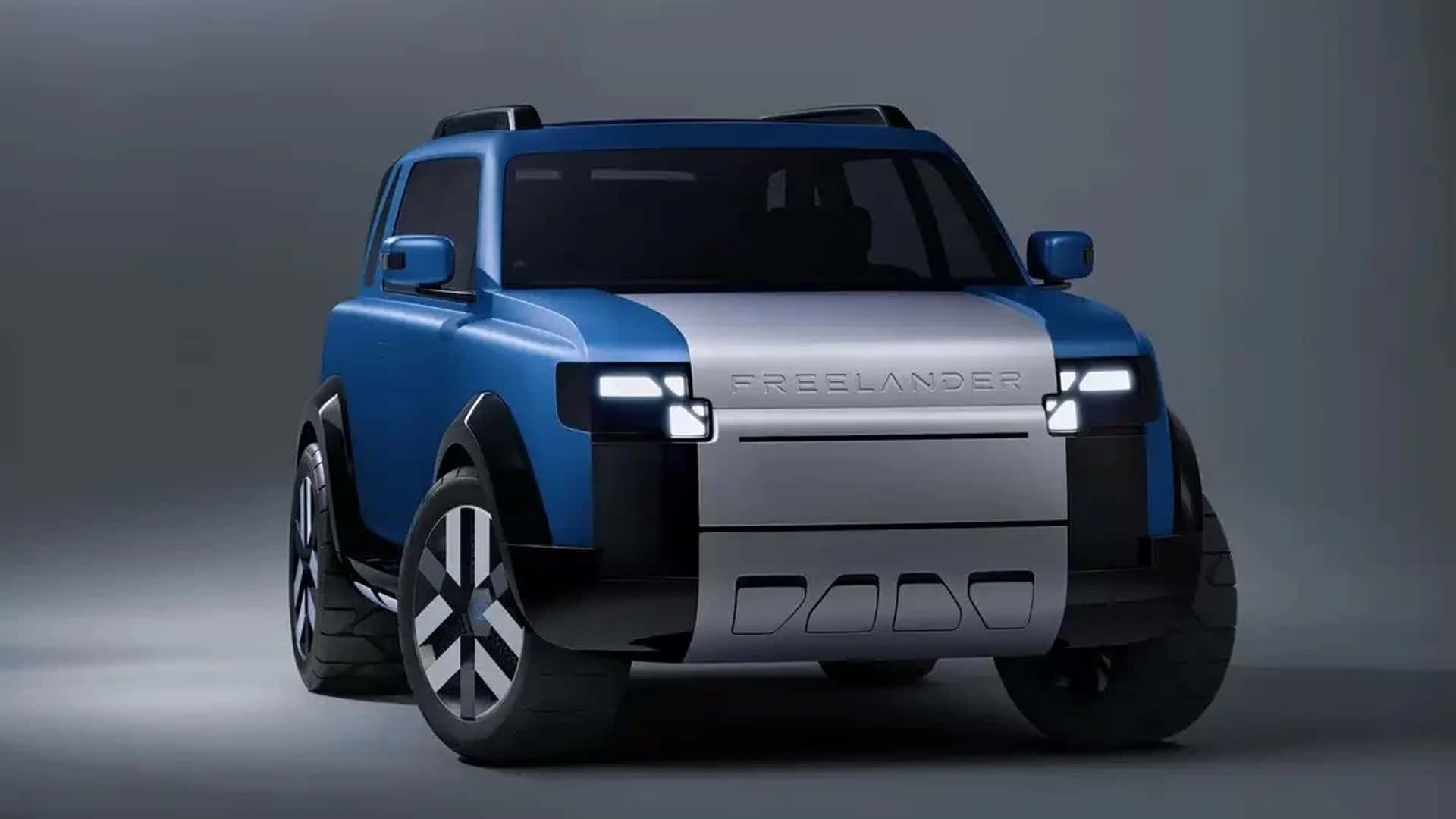
Land Rover Launches China-Market Freelander EV to Compete with Rivian R2
Land Rover, in collaboration with Chinese automaker Chery, has reintroduced the Freelander name for…
5h ago