
Former Uber Self-Driving Chief Crashes Tesla Using FSD, Highlights Supervision Issues
Updated March 29, 2026
3 min read
1 linked source
Raffi Krikorian, the former head of Uber's self-driving division, crashed his Tesla Model X while using the vehicle's Full Self-Driving (FSD) feature, with his children in the back seat. In an essay for The Atlantic, he critiques Tesla's approach to supervised autonomy, raising concerns about the safety and reliability of FSD technology.
Share this story
Why it matters
- ✓This incident underscores the potential risks associated with using FSD technology, particularly for families.
- ✓Krikorian's insights may influence public perception and regulatory scrutiny of Tesla's self-driving capabilities.
- ✓Buyers and owners should be aware of the limitations of FSD and the importance of active supervision while using such features.
Reporting notes
EV Signal briefs are written to explain the verified change first, then add the context EV buyers and owners need to understand cost, availability, charging access, eligibility, or ownership impact.
If details are still developing, we try to say what is confirmed, what comes from secondary reporting, and what readers should verify before acting.
Source mix
1 linked source
1 media
Reviewed from: Electrek.
Former Uber Self-Driving Chief Crashes Tesla Using FSD, Highlights Supervision Issues
Incident Overview
Raffi Krikorian, the former head of Uber's self-driving car division and current CTO at Mozilla, recently experienced a significant incident while using Tesla's Full Self-Driving (FSD) feature. While driving his Tesla Model X on a residential street, Krikorian crashed the vehicle, which resulted in the car being totaled. Notably, his children were in the back seat at the time of the accident, raising serious safety concerns regarding the use of autonomous driving technology in family vehicles.
Critique of Tesla's FSD Approach
In a detailed essay published in The Atlantic, Krikorian provides an in-depth analysis of the crash and critiques Tesla's approach to supervised autonomy. His background in developing self-driving systems gives him a unique perspective on the challenges and limitations of current autonomous driving technologies. Krikorian argues that Tesla's FSD system, while marketed as a cutting-edge solution, may not adequately ensure the safety of its users, particularly when it comes to the reliance on driver supervision.
Krikorian's insights suggest that the FSD system may create a false sense of security among drivers, leading them to underestimate the need for constant vigilance while using the technology. He emphasizes that the term
Sources
These are the documents and reports used to build this brief so readers can verify the story directly.
Comments
Log in with
Loading comments…
More in Software
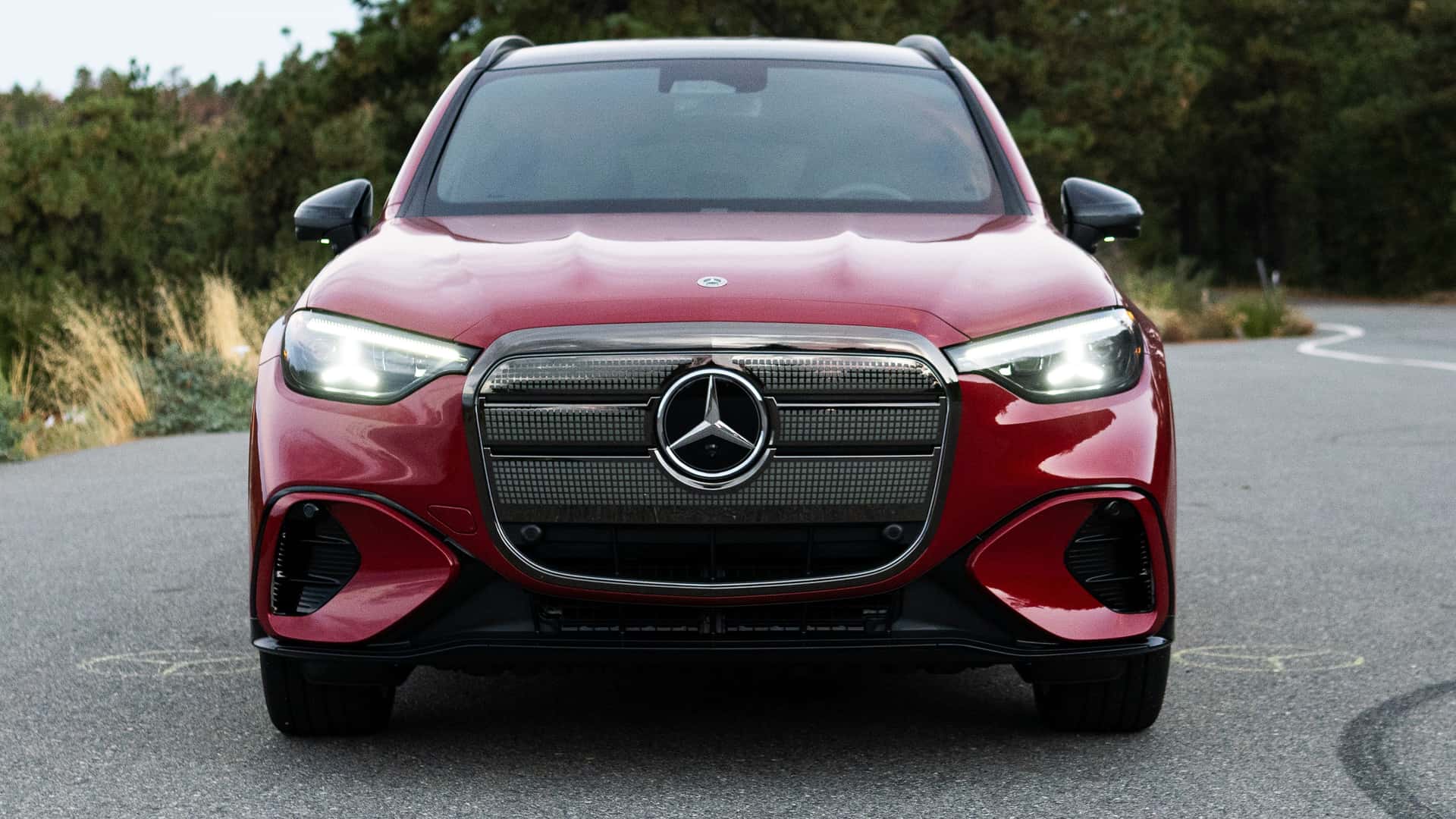
Mercedes Partners with Wayve for Advanced Driver Assistance System
Mercedes-Benz has announced a collaboration with Wayve to develop a driver assistance system…
1d ago
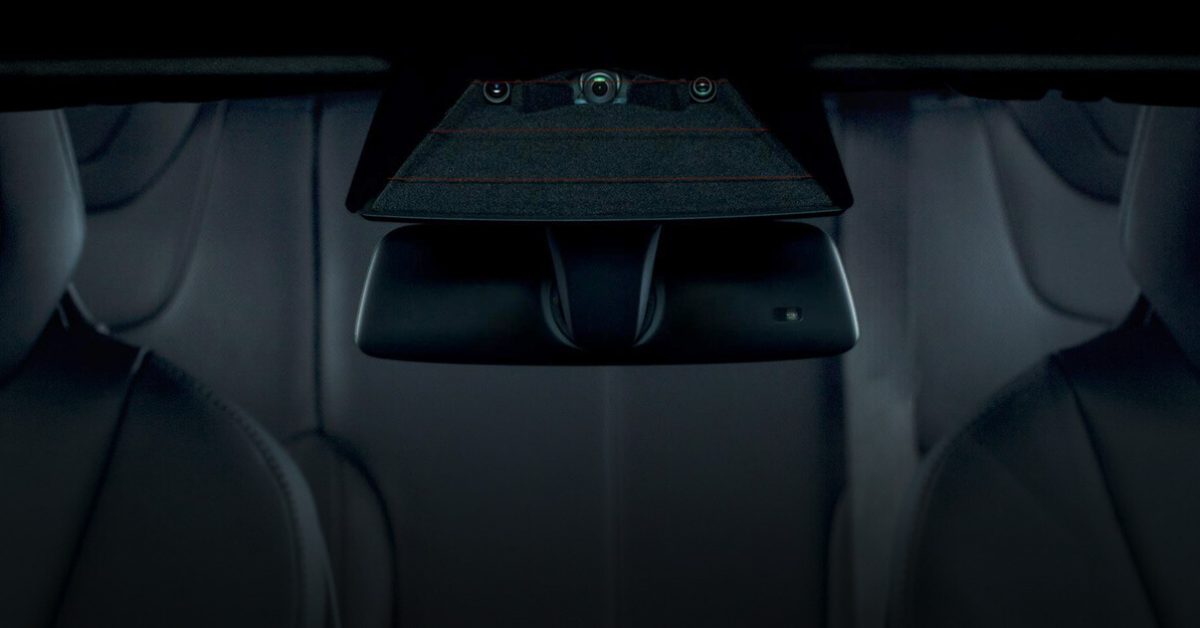
Tesla Full Self-Driving Update Issues False Camera Alerts
Tesla's latest Full Self-Driving update, version 14.3.9, is erroneously alerting owners that their…
1d ago
Mercedes-Benz Partners with Wayve for AI Driver Integration in Future Vehicles
Mercedes-Benz has finalized a production agreement with Wayve, a British self-driving startup, to…
1d ago
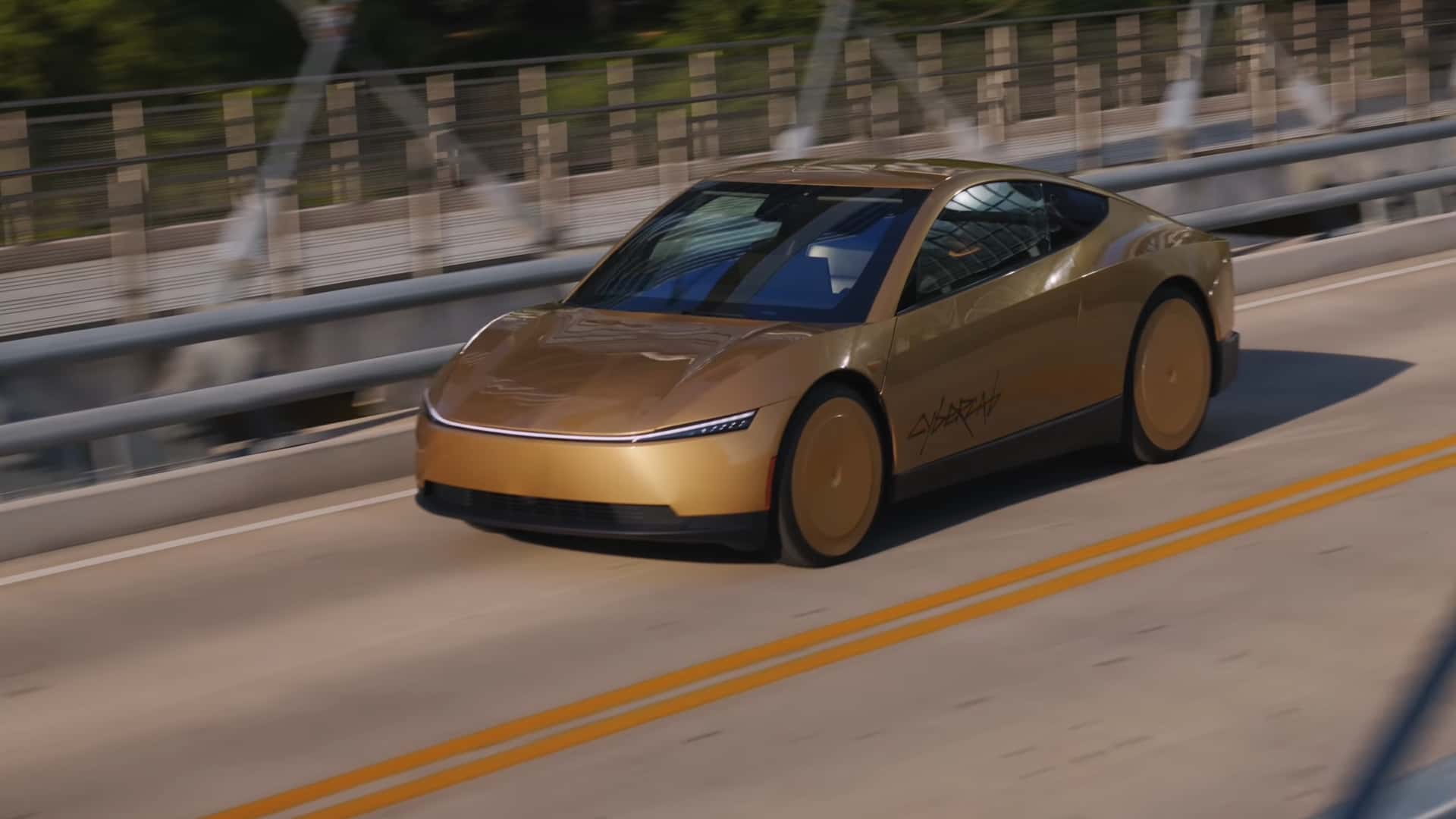
Tesla Cybercab Faces Navigation Issues Similar to Existing Tesla Models
Tesla's new Cybercab robotaxis are reportedly experiencing navigation problems, taking unusual…
2d ago