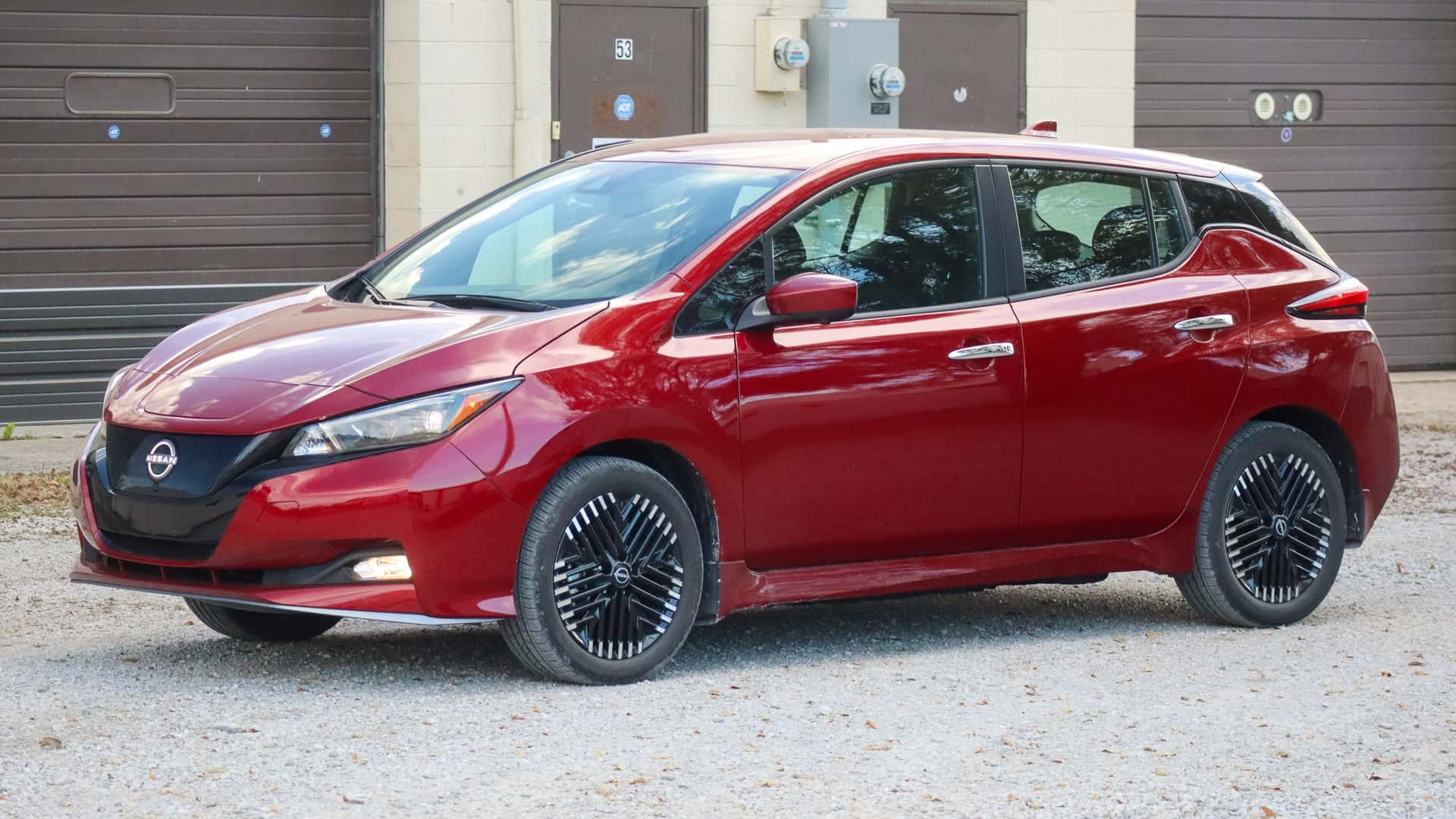
EV Depreciation Trends: Hybrids Show Improvement Over Time
Updated April 4, 2026
3 min read
1 linked source
Electric vehicles (EVs) continue to face significant depreciation challenges, with their values dropping more sharply than traditional gas vehicles. However, hybrids have shown a marked improvement in their depreciation rates, now depreciating less than gas cars. This shift suggests that hybrids may offer a more stable investment for buyers considering alternative fuel vehicles.
Share this story
Why it matters
- ✓Understanding depreciation rates can help EV buyers make informed purchasing decisions.
- ✓Hybrids may present a more financially sound option for those hesitant about fully electric vehicles.
- ✓As depreciation trends evolve, they could influence the resale market for both EVs and hybrids.
Reporting notes
EV Signal briefs are written to explain the verified change first, then add the context EV buyers and owners need to understand cost, availability, charging access, eligibility, or ownership impact.
If details are still developing, we try to say what is confirmed, what comes from secondary reporting, and what readers should verify before acting.
Source mix
1 linked source
1 media
Reviewed from: InsideEVs.
EV Depreciation Trends: Hybrids Show Improvement Over Time
Electric vehicles (EVs) have been gaining traction in the automotive market, but they are still grappling with significant depreciation challenges. Recent data indicates that EVs depreciate at a faster rate compared to traditional gas vehicles, which can be a concern for potential buyers. However, there is a silver lining for consumers considering alternative fuel options: hybrids have shown a notable improvement in their depreciation rates.
The Current State of EV Depreciation
As of now, electric vehicles are experiencing what can be described as brutal depreciation. This means that the value of EVs drops significantly within the first few years of ownership. Factors contributing to this trend include the rapid advancement of technology, which can make older models feel outdated quickly, and the still-developing infrastructure for charging stations, which can limit the appeal of EVs in certain markets.
Hybrids on the Rise
In contrast to the struggles faced by fully electric vehicles, hybrids have made a remarkable turnaround in their depreciation rates. Seven years ago, hybrids were also subject to steep depreciation, but recent trends show that they now depreciate less than gas-powered vehicles. This improvement can be attributed to several factors, including increased consumer acceptance of hybrid technology, the growing demand for fuel-efficient vehicles, and the overall rise in fuel prices that make hybrids more attractive.
Implications for Buyers
For potential buyers, understanding these depreciation trends is crucial. The fact that hybrids are depreciating less than gas cars suggests that they may offer a more stable investment. Buyers who are hesitant about fully committing to an electric vehicle may find hybrids to be a more financially sound option, as they provide many of the benefits of electric driving while still retaining some of the familiarity of traditional vehicles.
Additionally, as the market for both EVs and hybrids continues to evolve, these depreciation trends could influence the resale market. Buyers may want to consider how these factors will affect their vehicle's long-term value when making a purchase decision.
Conclusion
While electric vehicles face significant depreciation challenges, the positive trend in hybrid depreciation offers hope for consumers looking for alternative fuel options. As the automotive landscape continues to change, staying informed about these trends can help buyers make more informed decisions about their next vehicle purchase. Whether opting for a hybrid or an EV, understanding the implications of depreciation is key to ensuring a wise investment in the ever-evolving automotive market.
Sources
These are the documents and reports used to build this brief so readers can verify the story directly.
- EV Depreciation Is Still Brutal. But Hybrids Should Give Us Hope — InsideEVsMEDIA
Comments
Log in with
Loading comments…
More in Buying

Ausom Launches Fall Sale on Electric Scooters
Ausom is holding a Fall Sale this month, offering discounts on its range of electric scooters,…
Just now
BMW Opens US Reservations for New i3 Ahead of Schedule
BMW has announced that it will open reservations for the new i3 in the United States earlier than…
12h ago

Jackery Explorer 5000 Plus Power Station Discounted by $1,000
The Jackery Explorer 5000 Plus Portable Power Station is now available for $1,499, reflecting a…
18h ago
BMW i3 EV Reservations Open Early in the U.S.
BMW has announced that it will begin accepting reservations for the new i3 electric sedan ahead of…
1d ago