43 GW of New Solar Capacity Installed in the US in 2025
Updated March 11, 2026
In 2025, the United States added 43 gigawatts (GW) of new solar capacity, continuing a trend where solar has been the largest source of new power for five consecutive years. This growth underscores the increasing reliance on solar energy in the US energy mix.
Share this story
Why it matters
- ✓Increased solar capacity can lead to lower electricity costs, benefiting EV owners who charge their vehicles at home.
- ✓A stronger solar infrastructure supports the transition to renewable energy, aligning with the goals of many EV buyers who prioritize sustainability.
- ✓The growth in solar energy could enhance the availability of charging stations powered by renewable sources, improving the overall EV charging experience.
43 GW of New Solar Capacity Installed in the US in 2025
In 2025, the United States achieved a significant milestone in renewable energy by installing 43 gigawatts (GW) of new solar capacity. This achievement marks the fifth consecutive year that solar energy has been the largest source of new power added to the national grid. The implications of this growth are profound, particularly for electric vehicle (EV) owners and the broader transition to sustainable energy solutions.
The Growth of Solar Energy in the US
The installation of 43 GW of solar capacity in 2025 reflects a continued commitment to renewable energy in the United States. Over the past several years, solar energy has consistently outpaced other forms of energy generation, including wind and natural gas. This trend is driven by several factors, including technological advancements, decreasing costs, and supportive government policies aimed at reducing carbon emissions.
According to data from the Solar Energy Industries Association (SEIA), the US solar market has expanded rapidly, with cumulative installed capacity reaching over 200 GW by the end of 2025. This growth is not just a statistic; it represents a significant shift in how energy is produced and consumed across the country.
Why Solar Capacity Matters for EV Owners
The increase in solar capacity has direct implications for electric vehicle owners. One of the primary benefits of solar energy is its potential to lower electricity costs. As more solar power is integrated into the grid, the overall supply of electricity increases, which can lead to reduced prices for consumers. For EV owners who charge their vehicles at home, this translates to lower charging costs and a more economical way to power their vehicles.
Moreover, the expansion of solar energy infrastructure supports the transition to renewable energy, aligning with the values of many EV buyers who prioritize sustainability. As consumers become more aware of their carbon footprints, the ability to charge their vehicles using clean, renewable energy becomes increasingly appealing. This synergy between solar energy and electric vehicles fosters a more sustainable lifestyle, encouraging more individuals to consider EVs as a viable option.
Enhancing the EV Charging Experience
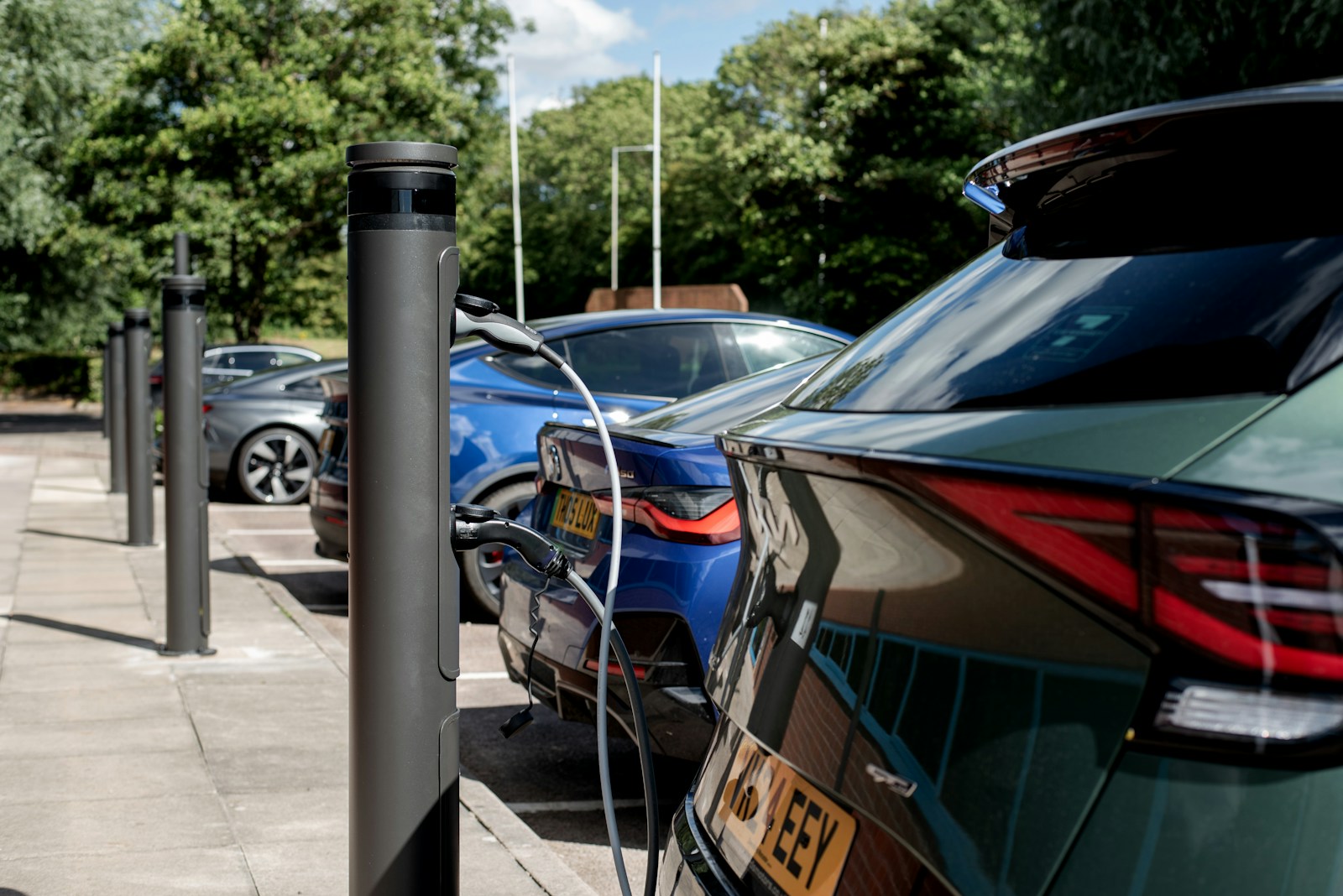
The growth in solar energy capacity also has the potential to enhance the availability of charging stations powered by renewable sources. As solar installations increase, so does the likelihood of charging stations being powered by solar energy. This is particularly important as the demand for EV charging infrastructure continues to rise.
Many charging stations are now being designed with solar panels integrated into their structures, allowing them to generate their own electricity. This not only reduces the reliance on fossil fuels but also provides a more sustainable charging option for EV owners. The combination of solar energy and EV charging stations creates a more robust and environmentally friendly charging network, making it easier for drivers to find charging locations that align with their sustainability goals.
Economic Implications of Solar Growth
The economic implications of adding 43 GW of solar capacity are significant. The solar industry has become a major driver of job creation in the United States, employing hundreds of thousands of workers across various sectors, including manufacturing, installation, and maintenance. As the demand for solar energy continues to grow, so too does the need for skilled labor to support this burgeoning industry.
Additionally, the increased reliance on solar energy can lead to greater energy independence for the United States. By harnessing domestic solar resources, the country can reduce its dependence on imported fossil fuels, enhancing national security and economic stability.
Environmental Impact and Sustainability
The environmental benefits of expanding solar capacity are substantial. Solar energy is a clean, renewable resource that produces no greenhouse gas emissions during operation. By increasing the share of solar energy in the national energy mix, the US can make significant strides toward meeting its climate goals and reducing its overall carbon footprint.
The transition to solar energy also supports biodiversity and land conservation efforts. Many solar installations are designed to coexist with agricultural practices, allowing for dual land use that can benefit both energy production and food supply.
Challenges Ahead
Despite the impressive growth in solar capacity, challenges remain. The solar industry faces hurdles such as regulatory barriers, supply chain disruptions, and the need for continued investment in grid infrastructure to accommodate the influx of renewable energy. Additionally, there is a need for public awareness and education about the benefits of solar energy and how it can be integrated into everyday life.
Furthermore, as the demand for solar energy grows, so does the importance of ensuring that the benefits of this transition are equitably distributed. It is crucial to address issues of access and affordability, ensuring that all communities can benefit from the transition to renewable energy.
Conclusion
The addition of 43 GW of new solar capacity in 2025 is a testament to the growing importance of solar energy in the United States. This growth not only signifies a shift toward a more sustainable energy future but also has direct implications for electric vehicle owners. As solar energy becomes more prevalent, EV owners can expect lower charging costs, enhanced charging infrastructure, and a more environmentally friendly driving experience.
The continued expansion of solar capacity is a critical component of the broader transition to renewable energy, aligning with the values of sustainability and economic resilience. As the US moves forward, the integration of solar energy into the national grid will play a vital role in shaping the future of energy consumption and transportation. The journey toward a cleaner, more sustainable future is well underway, and solar energy is leading the charge.
Sources
Comments
Loading comments…