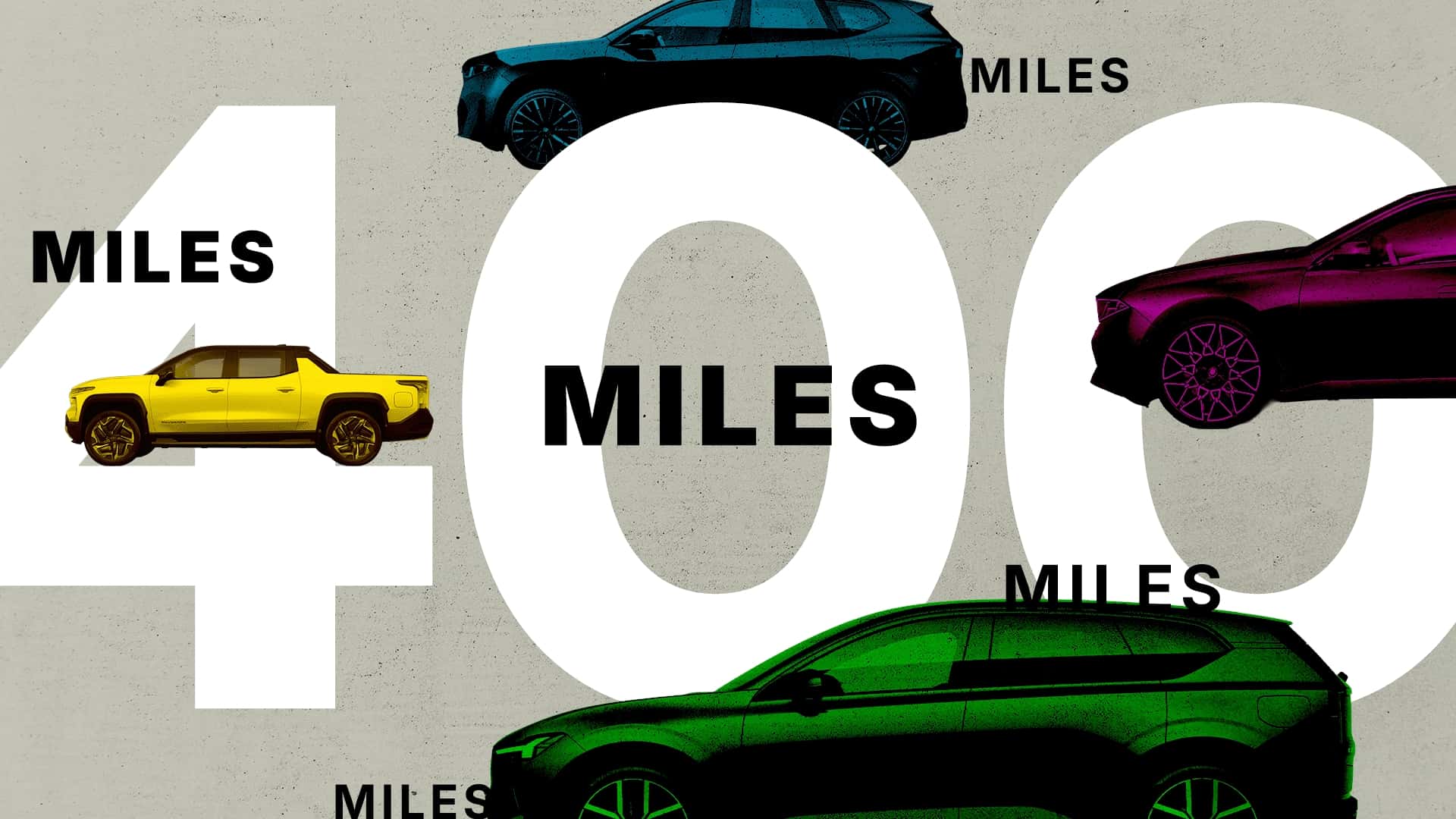
300 Miles of EV Range Becomes Standard; Is 400 Miles Next?
Updated March 28, 2026
3 min read
1 linked source
The electric vehicle (EV) market is witnessing a significant shift as 300 miles of range is now considered the new standard for many models, including the latest BMW i3. As manufacturers continue to innovate, discussions are emerging about the potential for 400 miles of range becoming the next benchmark by 2026. This evolution in range capabilities is crucial for enhancing consumer confidence and expanding the appeal of EVs.
Share this story
Why it matters
- ✓Increased range reduces range anxiety for potential EV buyers, making electric vehicles more appealing.
- ✓A standard range of 300 miles allows for more practical use in daily driving and longer trips without frequent charging.
- ✓The push towards 400 miles of range could accelerate the adoption of EVs, influencing market dynamics and pricing.
Reporting notes
EV Signal briefs are written to explain the verified change first, then add the context EV buyers and owners need to understand cost, availability, charging access, eligibility, or ownership impact.
If details are still developing, we try to say what is confirmed, what comes from secondary reporting, and what readers should verify before acting.
Source mix
1 linked source
1 media
Reviewed from: InsideEVs.
300 Miles of EV Range Becomes Standard; Is 400 Miles Next?
The electric vehicle (EV) market is rapidly evolving, with 300 miles of range now recognized as the new standard for many models. This shift is exemplified by the introduction of vehicles like the BMW i3, which not only meets but exceeds this benchmark. As manufacturers push the boundaries of battery technology and efficiency, discussions are emerging about whether 400 miles of range could become the next target by 2026.
The New Standard: 300 Miles of Range
The transition to 300 miles of range as a standard is significant for several reasons. First and foremost, it alleviates range anxiety, a common concern among potential EV buyers. With a range of 300 miles, drivers can comfortably complete daily commutes and even longer trips without the constant worry of needing to recharge. This level of range makes electric vehicles more practical for a wider audience, including those who may have previously been hesitant to switch from traditional gasoline vehicles.
The BMW i3 is just one example of how manufacturers are responding to consumer demand for longer ranges. As more models come equipped with batteries capable of achieving this distance, the market is likely to see a shift in consumer preferences towards EVs that offer this level of performance.
Looking Ahead: The Potential for 400 Miles
As the industry adapts to the new normal of 300 miles, the question arises: could 400 miles be next? While the current focus is on achieving and maintaining the 300-mile standard, advancements in battery technology and vehicle design suggest that reaching 400 miles is a feasible goal within the next few years.
Manufacturers are investing heavily in research and development to enhance battery efficiency, reduce weight, and improve overall vehicle aerodynamics. These innovations could pave the way for longer ranges without significantly increasing vehicle costs. If 400 miles becomes a reality, it would further eliminate range anxiety and make EVs even more attractive to consumers.
Implications for EV Buyers and Owners
The shift towards longer ranges has several implications for EV buyers and owners:
-
Increased Confidence: With a standard range of 300 miles, buyers can feel more confident in their decision to purchase an EV, knowing that it can handle their daily needs without frequent charging.
-
Practicality for Long-Distance Travel: A 400-mile range would make electric vehicles viable options for long-distance travel, reducing the need for planning around charging stations and making road trips more feasible.
-
Market Dynamics: As manufacturers compete to offer longer ranges, consumers may benefit from improved pricing and features as companies strive to differentiate their offerings in a growing market.
Conclusion
The evolution of electric vehicle range capabilities is a critical factor in the ongoing transition to electric mobility. With 300 miles now the new normal, the industry is poised to explore the potential for 400 miles in the near future. This progression not only enhances the practicality of EVs but also plays a crucial role in shaping consumer perceptions and driving adoption. As technology continues to advance, the future of electric vehicles looks promising, with longer ranges likely leading to a broader acceptance and integration of EVs into everyday life.
Sources
These are the documents and reports used to build this brief so readers can verify the story directly.
- 300 Miles Of EV Range Is The New Normal. Is 400 Next? — InsideEVsMEDIA
Comments
Log in with
Loading comments…
More in Models & Pricing

Renault 8 Gordini Returns as Rear-Wheel Drive EV
Renault has unveiled the return of the iconic Renault 8 Gordini as a rear-wheel drive electric…
Just now
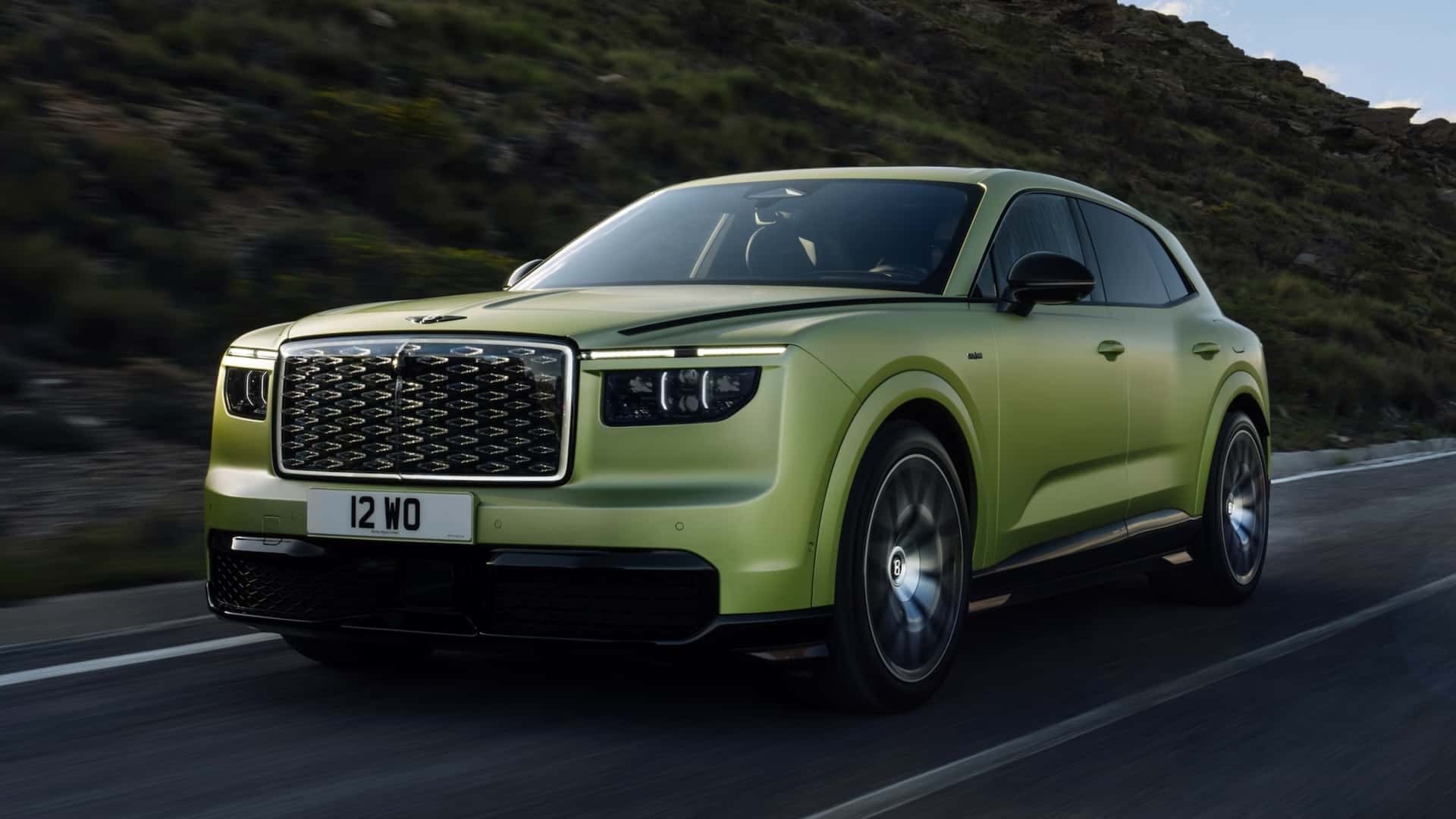
Bentley's First EV, the Torcal, Offers Rapid Charging Capabilities
Bentley has launched its first electric vehicle, the Torcal, a midsize SUV that boasts rapid…
12h ago
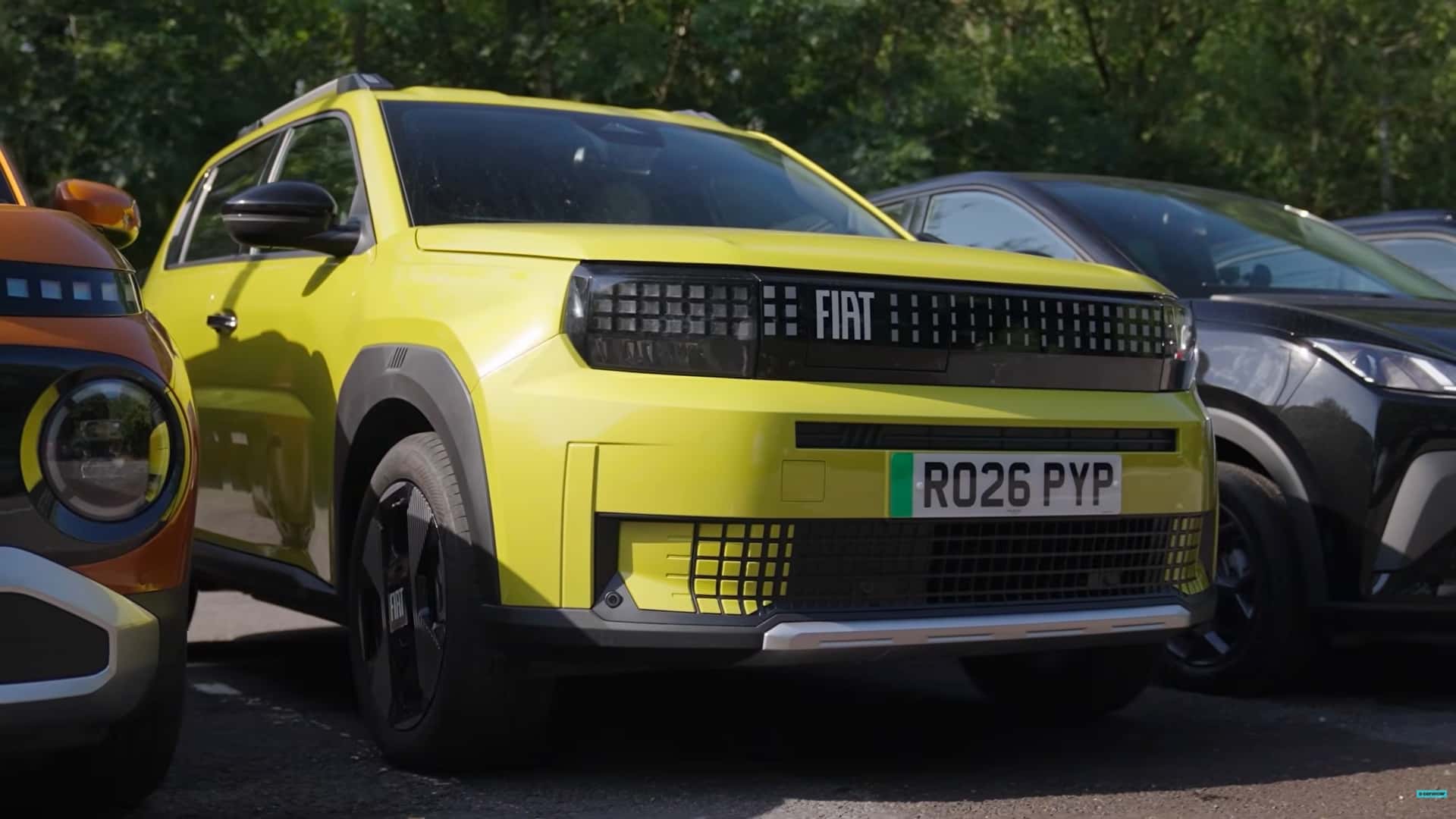
Fiat Grande Panda Outperforms Claimed Range in Real-World Test
In a recent highway range test, the Fiat Grande Panda exceeded its officially claimed range,…
12h ago
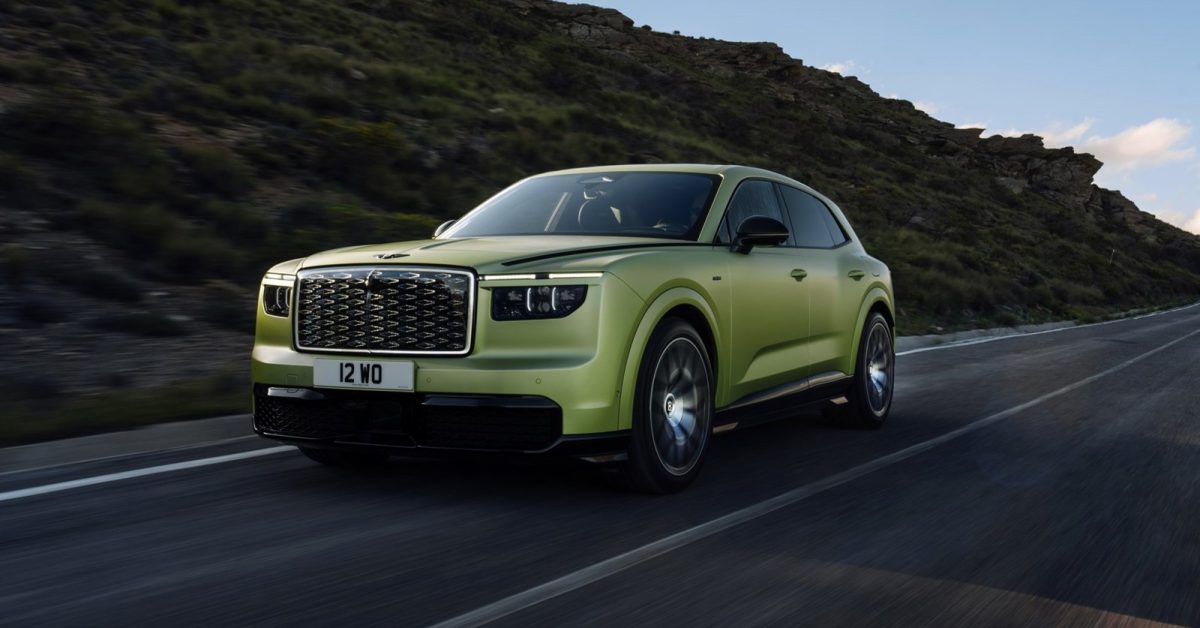
Bentley Launches Torcal, Its First All-Electric SUV
Bentley has officially unveiled the Torcal, marking its entry into the electric vehicle market.…
12h ago